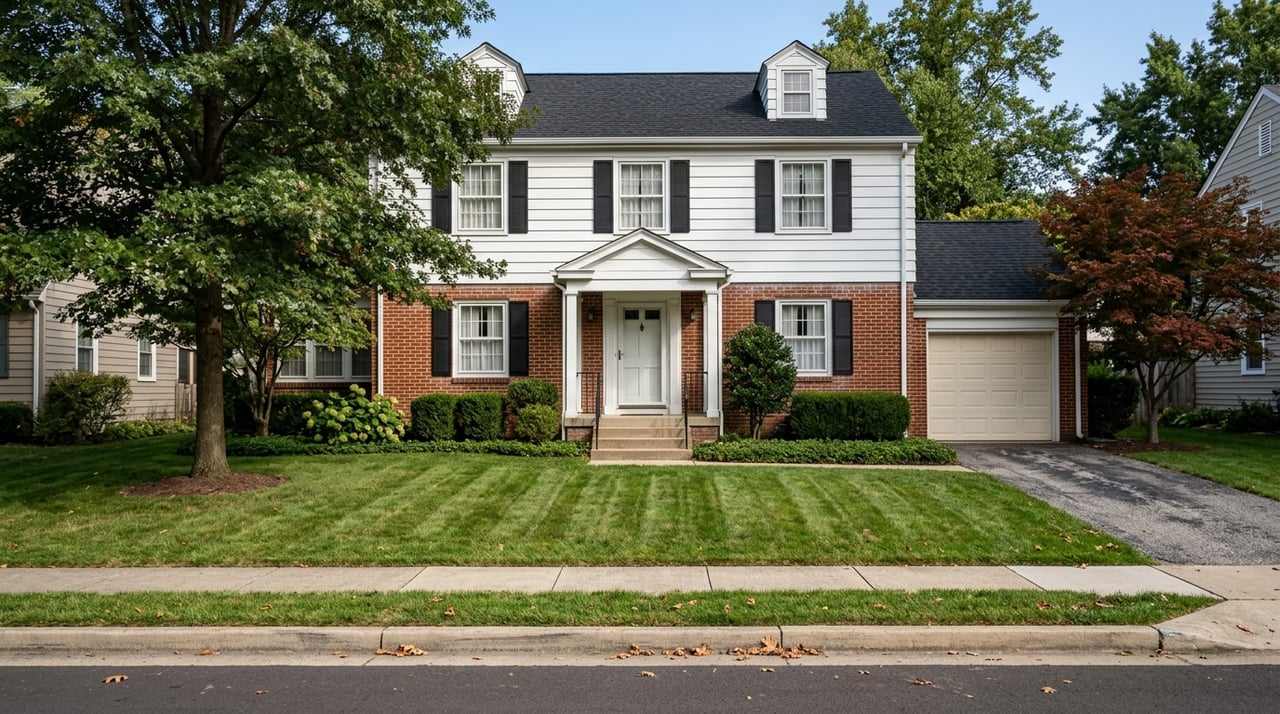
If you want an easier commute without giving up green space, quiet streets, and convenient everyday errands, Springfield deserves a closer look. For many buyers, the challenge is finding a place that feels connected to the region without feeling overwhelmed by it. Springfield stands out because it offers access to major transit, parks, trails, and a range of home styles in one established Fairfax County setting. Let’s take a closer look.
Why Springfield Feels Balanced
Springfield in Fairfax County offers a mix that many buyers are searching for: regional access on one hand, and a more settled suburban rhythm on the other. The area is shaped by transit connections, major road access, neighborhood parks, and community-serving retail that helps daily life stay close to home.
That balance is not just a feeling. The Census Bureau reports a mean travel time to work of 29.1 minutes in Springfield, which is very close to Fairfax County’s 28.9 minutes. Those numbers support Springfield’s reputation as a commuter-friendly suburb with strong regional ties.
Commuting From Springfield
For many residents, Franconia-Springfield is the key transportation hub. WMATA identifies it as a Blue Line station, and the station also connects to VRE, Fairfax Connector, and Metrobus service. That gives you several ways to move around the region, whether you rely on rail every day or simply want options.
The station is also set up to support different commuting styles. WMATA reports 5,069 daily parking spaces, 48 metered spaces, 30 bike racks, and 8 lockers. Fairfax County’s Springfield Plaza park-and-ride adds 254 free spaces and is served by Connector routes 310 and 494.
If you drive, Springfield’s location near I-95, I-395, and I-495 adds another layer of convenience. This road network helps explain why the area works well for people who need access to employment centers across Northern Virginia and the broader Washington region. At the same time, daily life does not have to revolve around long drives for basic needs.
A More Connected Local Layout
Springfield is not only about highways and parking. Fairfax County planning for the Franconia-Springfield area emphasizes interconnected pedestrian and bicycle routes, urban parks, plazas, and pedestrian-priority corridors between the core business and transit station areas. In simple terms, the local vision supports a connected suburban center instead of a place built only for cars.
That matters if you want more flexibility in your routine. You may still drive often, but the area also supports walking, biking, and transit use in ways that can make everyday movement feel more manageable.
Parks That Bring the Calm
Easy access matters, but so does the ability to slow down. Springfield has several outdoor spaces that help create that calmer side of life, even with the Beltway and major transit nearby.
Lake Accotink Park is one of the clearest examples. Fairfax County describes it as a 476-acre county park, and notes that the Beltway is less than a mile away even though the setting feels tranquil. With trails and waterfront activities, it gives you a place to reset without having to plan a major outing.
Hidden Pond Nature Center offers a quieter, more neighborhood-oriented option. This 25-acre park includes woodland trails, a tranquil pond, and a 2,000-foot trail and bridge connection to the 700-acre Pohick Stream Valley Park. If your ideal weekend includes a short nature walk close to home, this kind of access can be a real advantage.
Trail Access Beyond the Neighborhood
Springfield also connects into a larger county trail system. Fairfax County describes the Gerry Connolly Cross County Trail as its primary north-south multi-use trail, and the county notes that it connects to the Franconia-Springfield Metro station through the Franconia Springfield Parkway Trail.
That broader network adds flexibility to how you spend your free time. Whether you want a regular biking route, a longer walk, or a simple way to stay active, Springfield’s trail connections support a lifestyle that feels more grounded and less rushed.
Shopping and Errands Stay Close
One of the easiest ways to judge daily livability is to ask a simple question: how far do you have to go for the things you do all the time? In Springfield, shopping, dining, and everyday errands are built into the local pattern.
Springfield Town Center is the area’s major retail anchor. PREIT describes it as a 1,371,500-square-foot retail destination with tenants including Target, Macy’s, Nordstrom Rack, Dick’s Sporting Goods, Regal, Dave & Buster’s, LEGO Discovery Center, Yard House, and Maggiano’s. Its location at the intersection of I-95, I-395, and I-495 makes it easy to reach from across the area.
For a more neighborhood-scaled option, Kingstowne Towne Center adds another layer of convenience nearby. Federal Realty describes it as a 410,000-square-foot community center anchored by Safeway and Giant, with tenants such as TJ Maxx, Ross, HomeGoods, &pizza, and Cava. That mix supports day-to-day needs without requiring a special trip.
Fairfax County planning also reinforces this pattern. The current Springfield TSA/CBC study keeps Springfield Plaza and Commerce Plaza as community-serving retail areas, while the broader vision includes a mix of retail, office, residential, hotel, and public-facility uses. For you as a buyer, that means everyday services are part of the area’s long-term structure, not an afterthought.
What Kinds of Homes Fit This Lifestyle
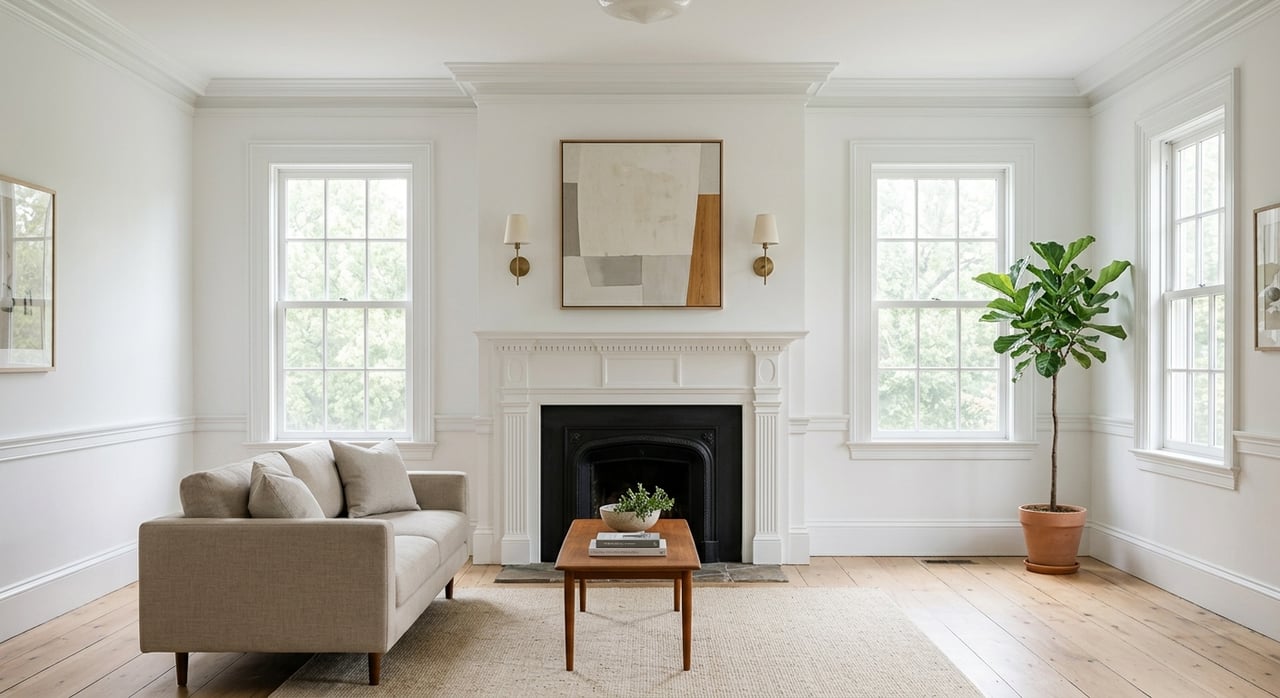
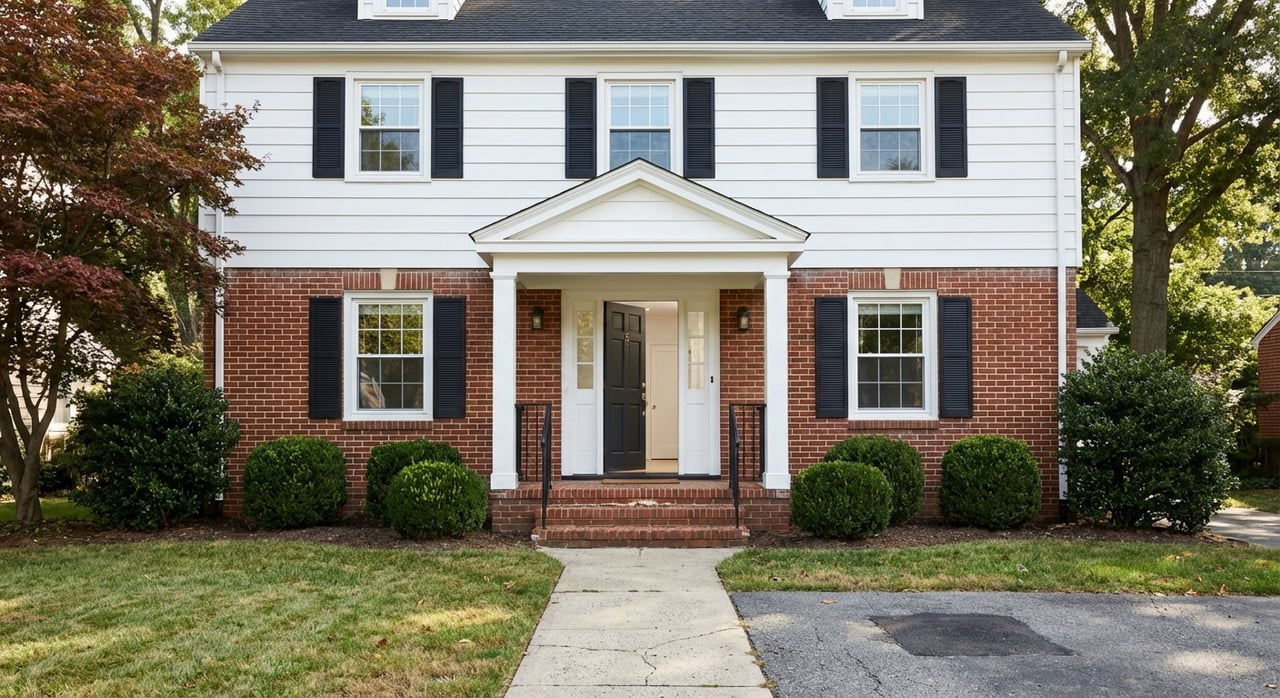
Springfield’s housing mix is a big reason the area can support both city access and suburban calm. Fairfax County planning documents describe a range of residential types and densities, including single-family detached homes, townhouses, multifamily apartments, and mixed-use options near the transit-station area.
That variety gives buyers different ways to prioritize convenience, privacy, and maintenance. It also helps explain why Springfield appeals to more than one kind of household or life stage.
Detached Homes for Space and Privacy
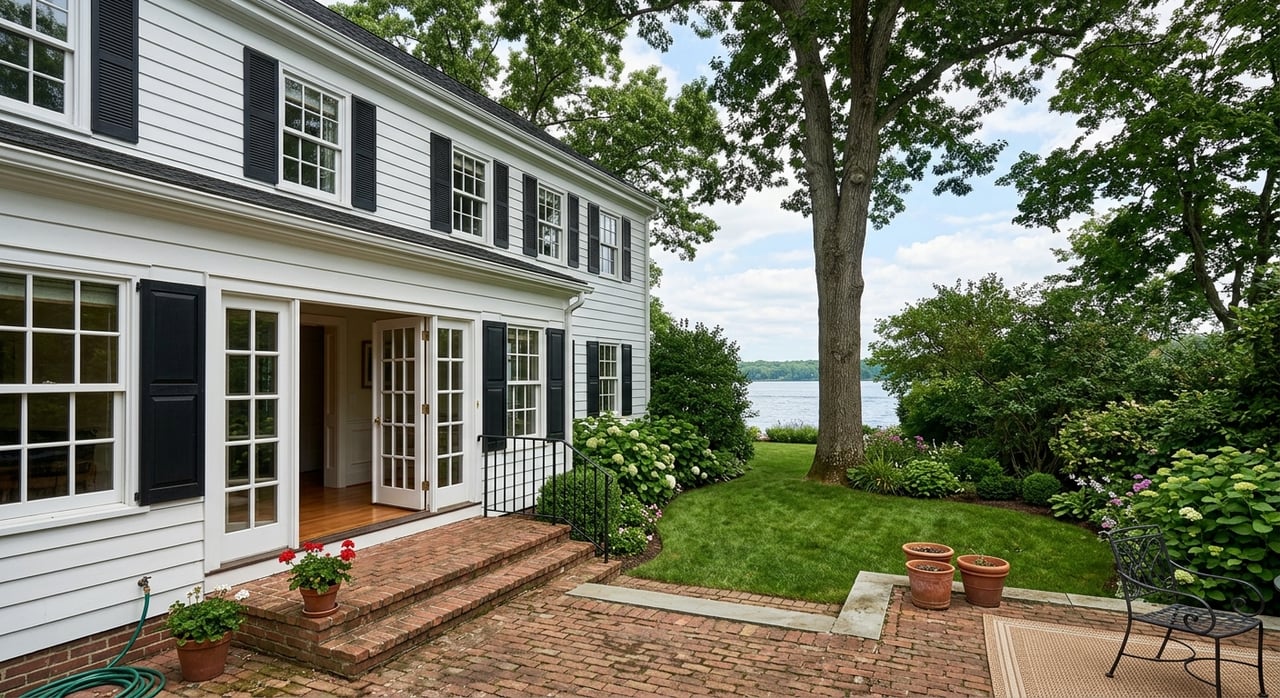
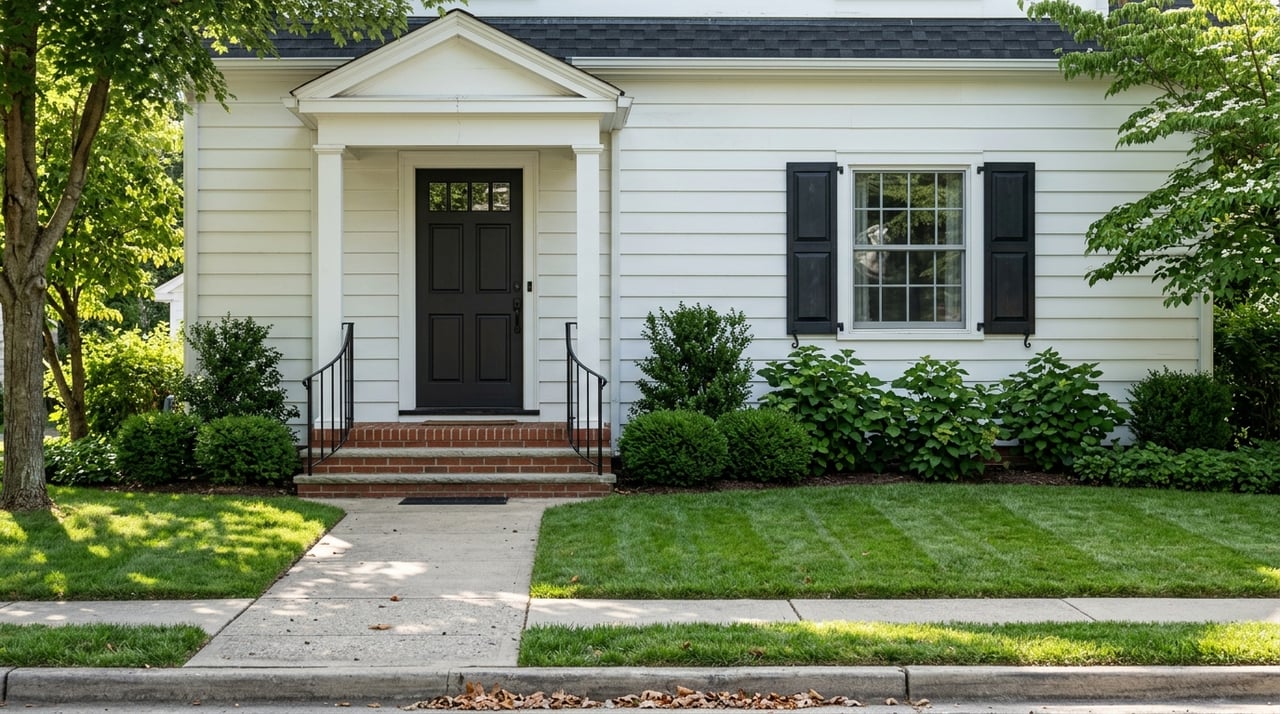
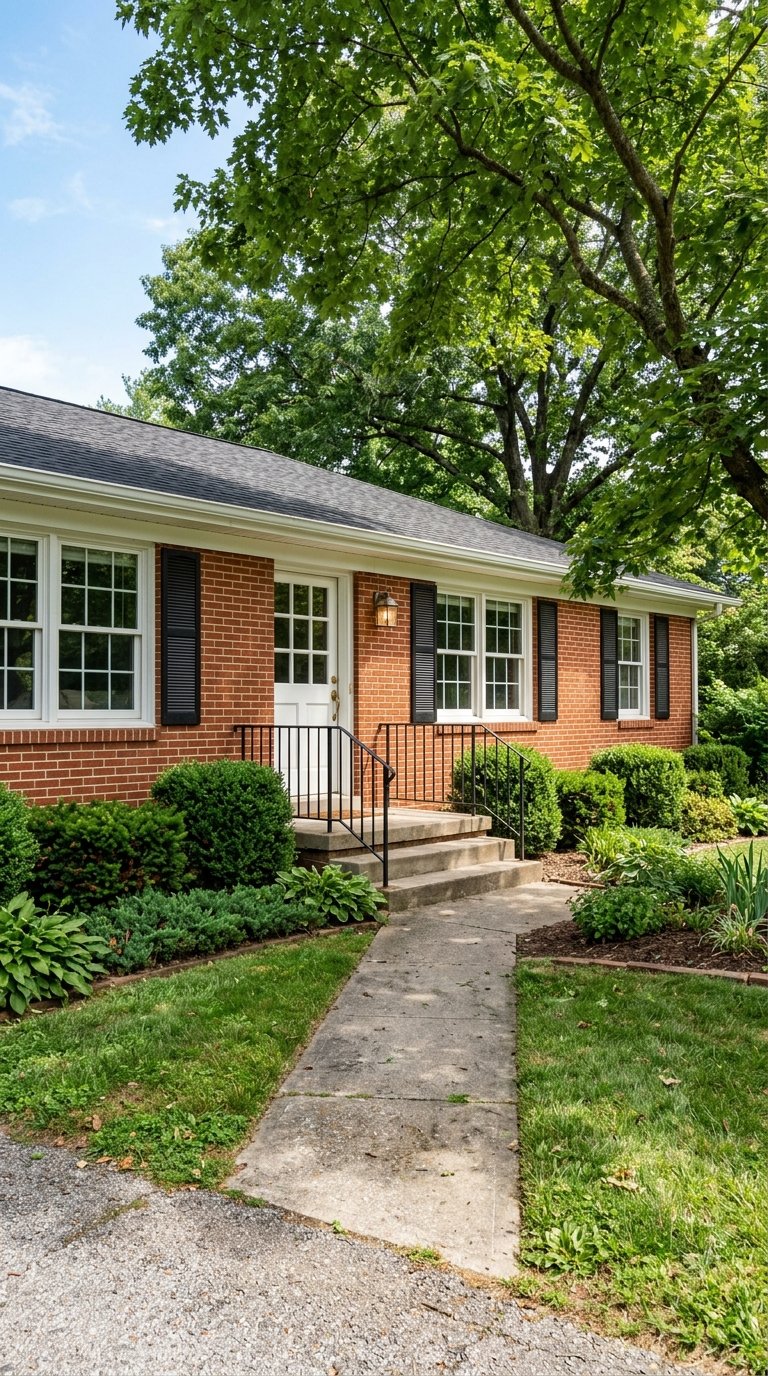
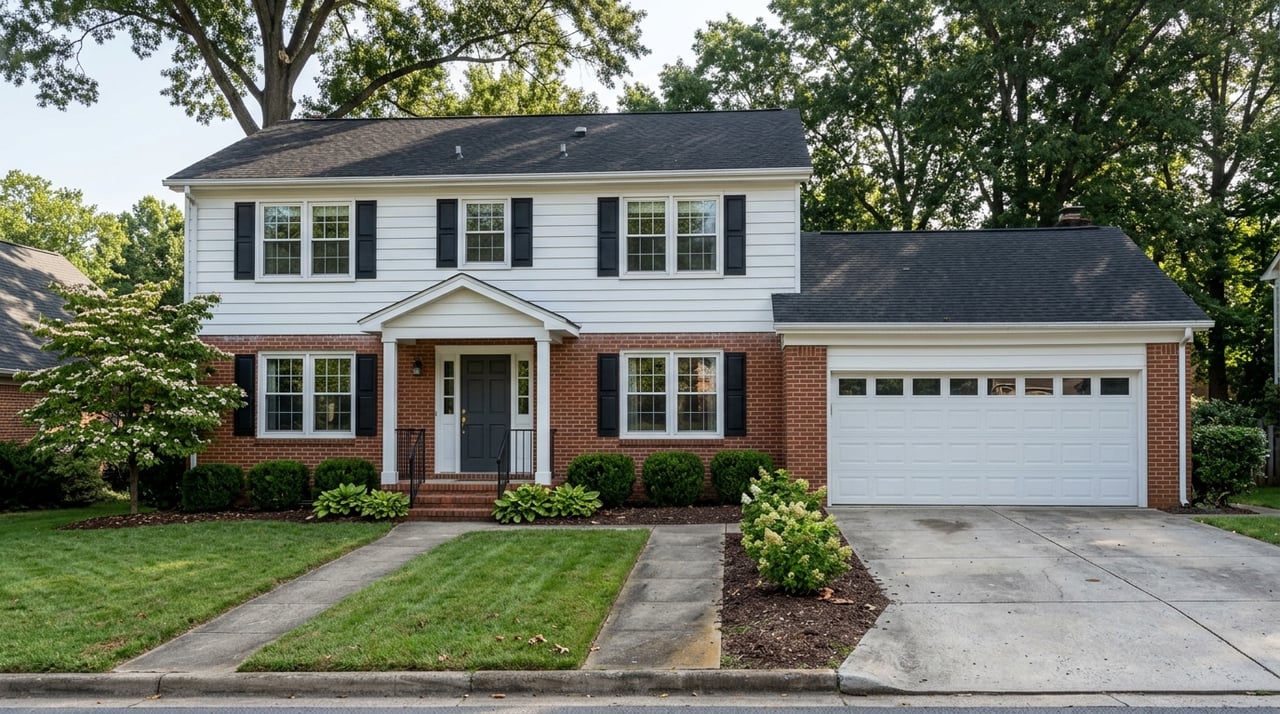
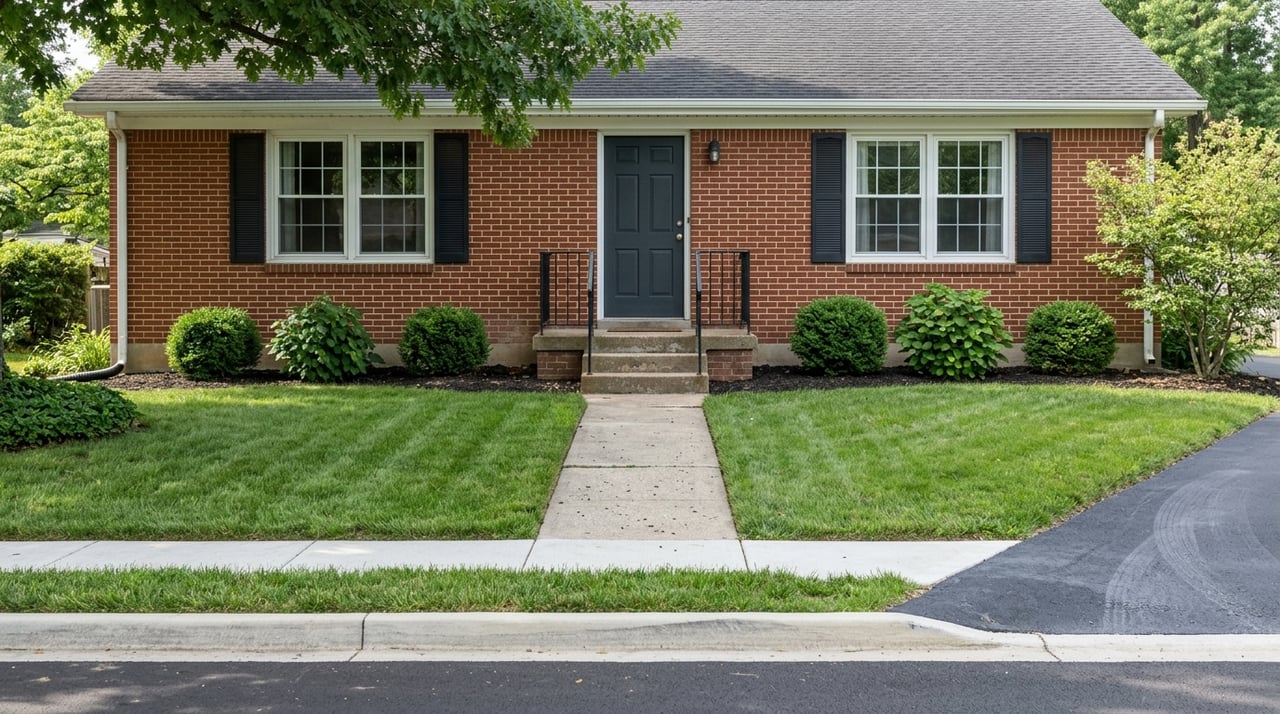
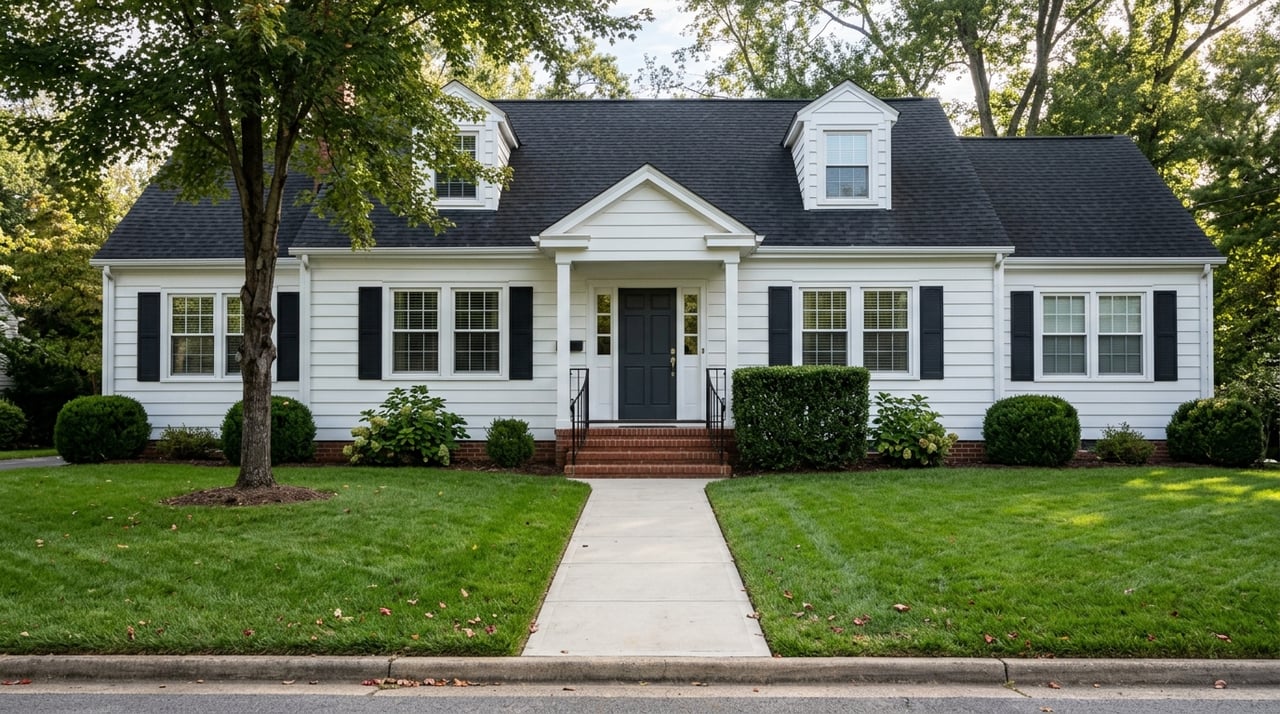
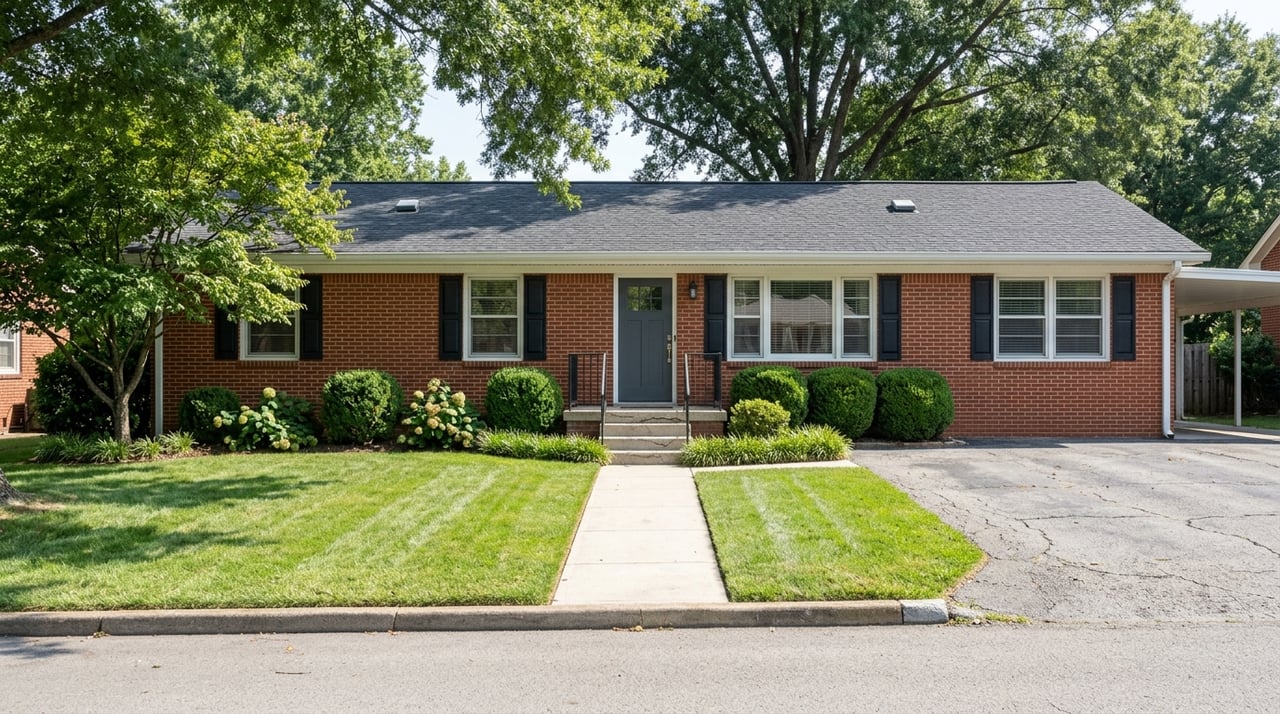
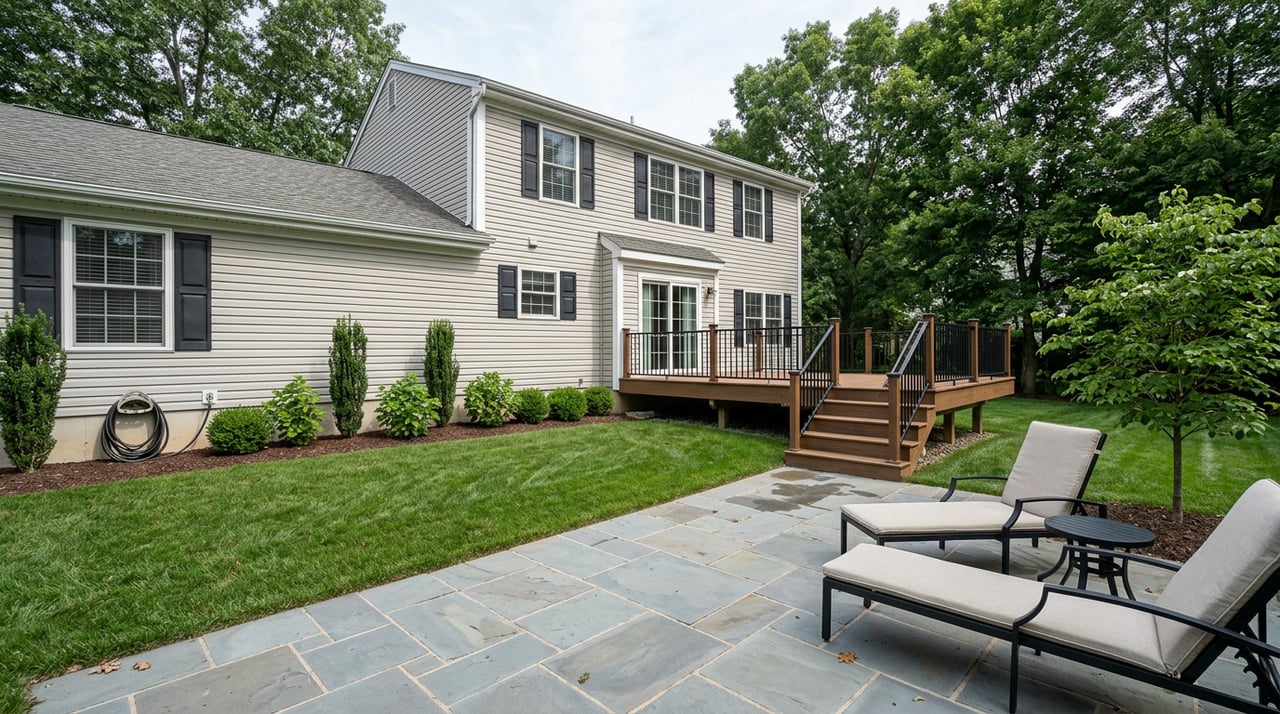
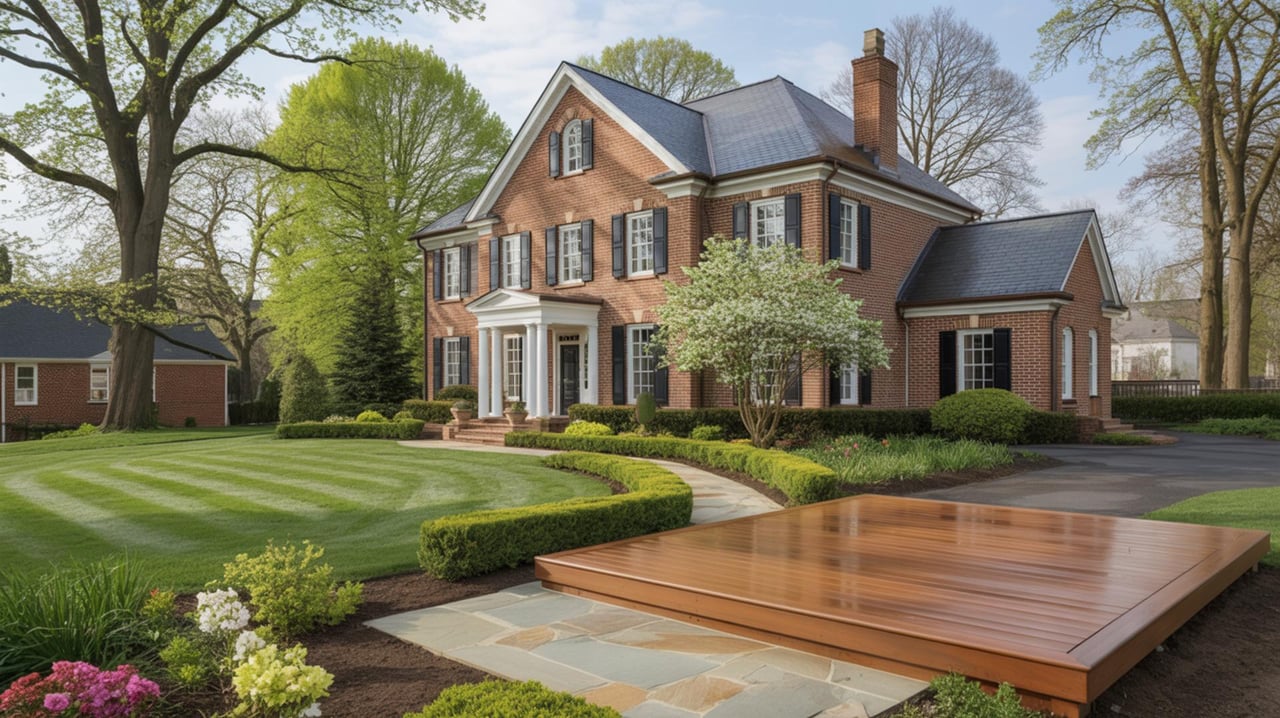
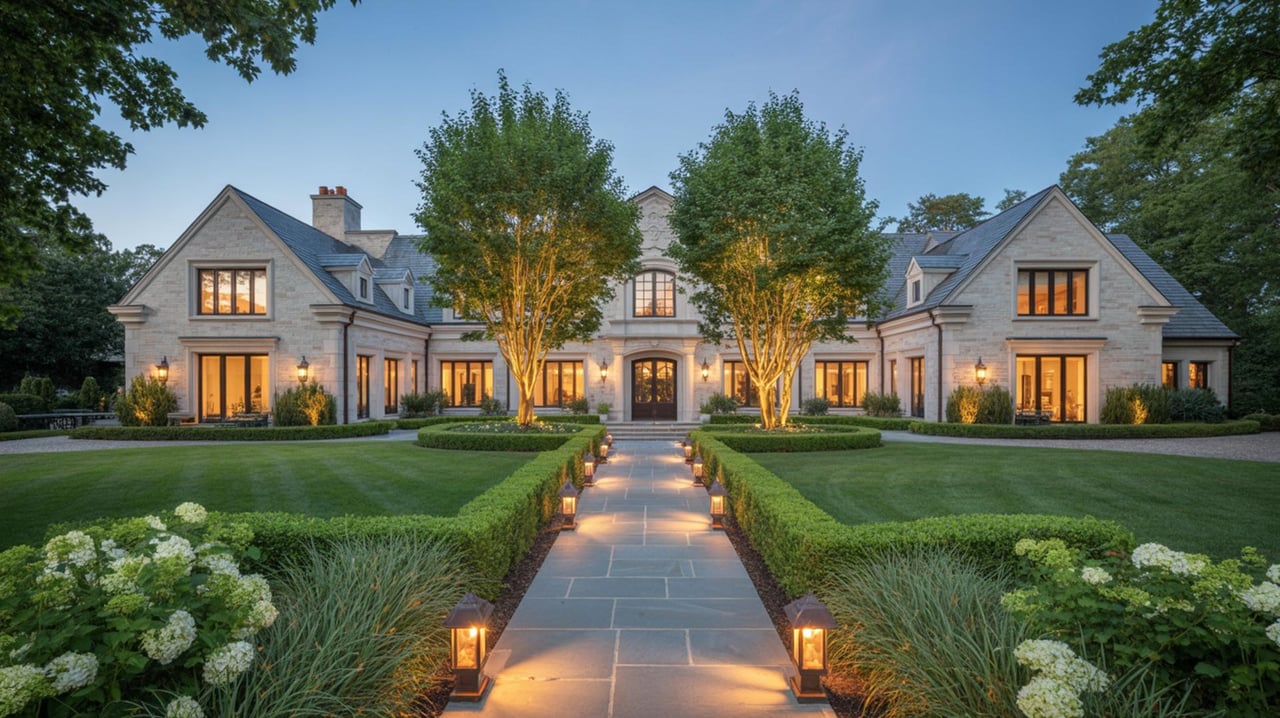
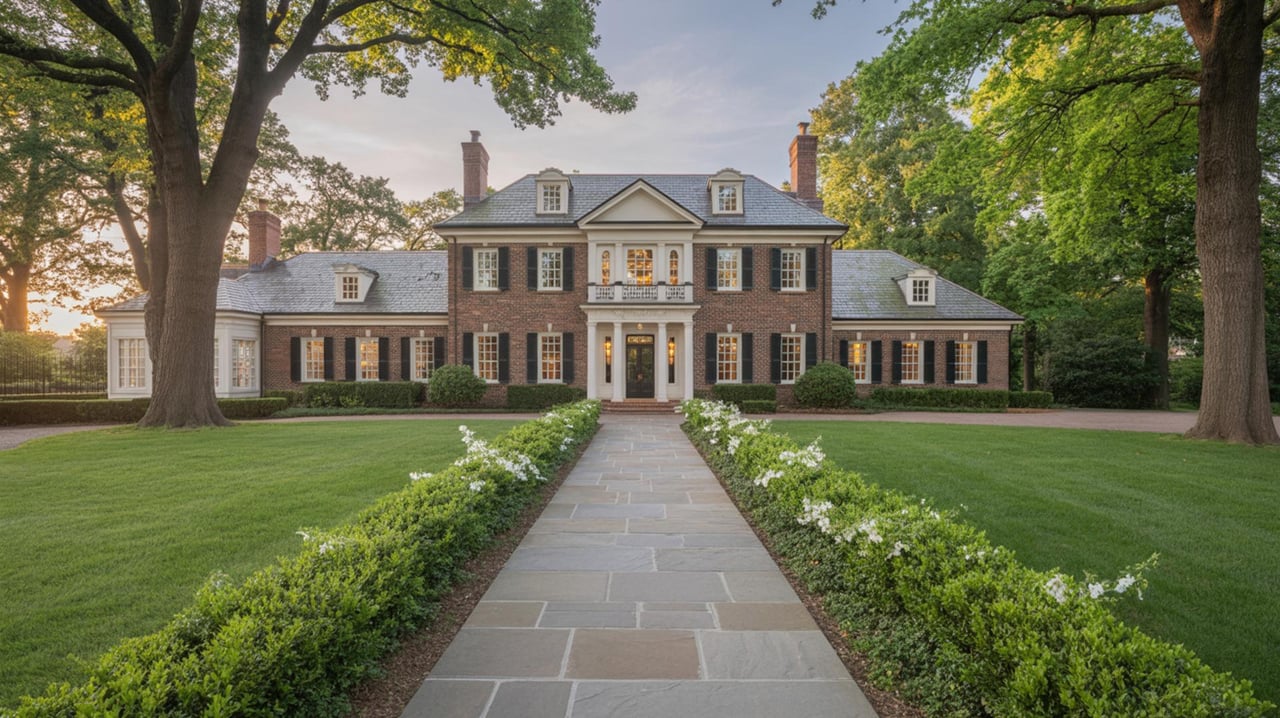
If your priority is a quieter setting, detached homes may offer the best fit. Based on the area’s housing mix, these homes generally align with buyers who want more privacy, yard space, and a traditional suburban feel.
This can be especially appealing if you want room to spread out while still keeping major regional connections within reach. In Springfield, that combination is one of the area’s defining strengths.
Townhomes for Convenience
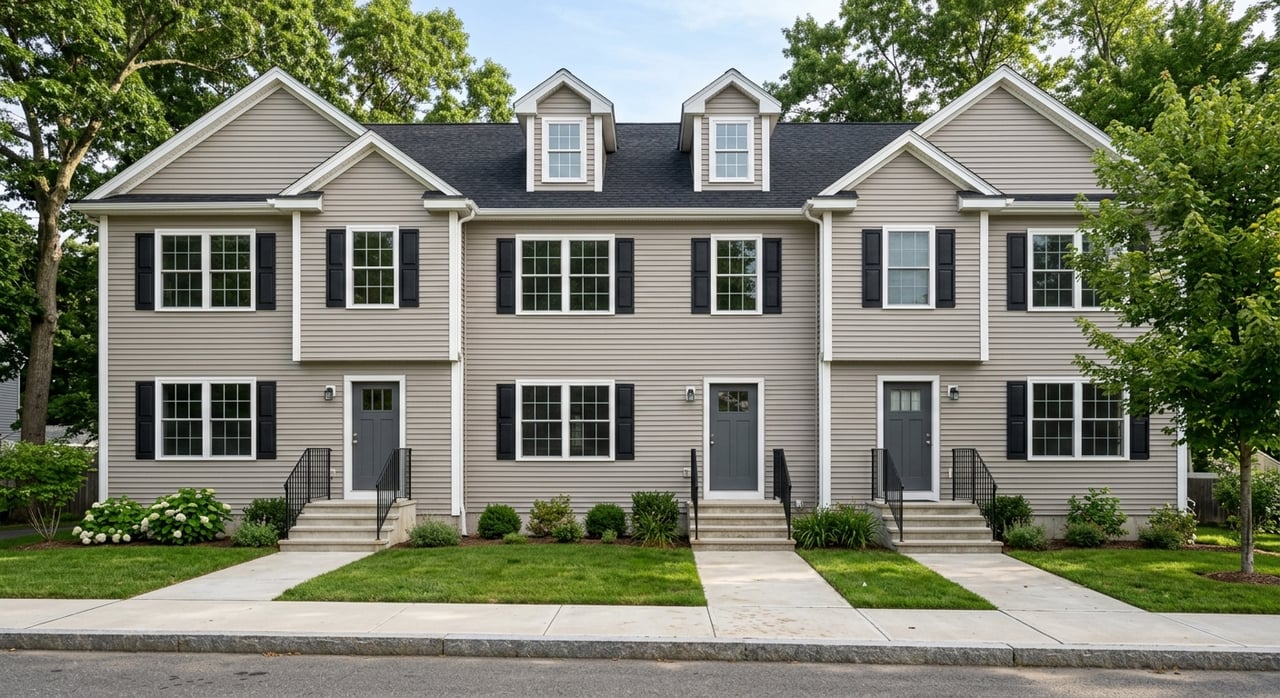
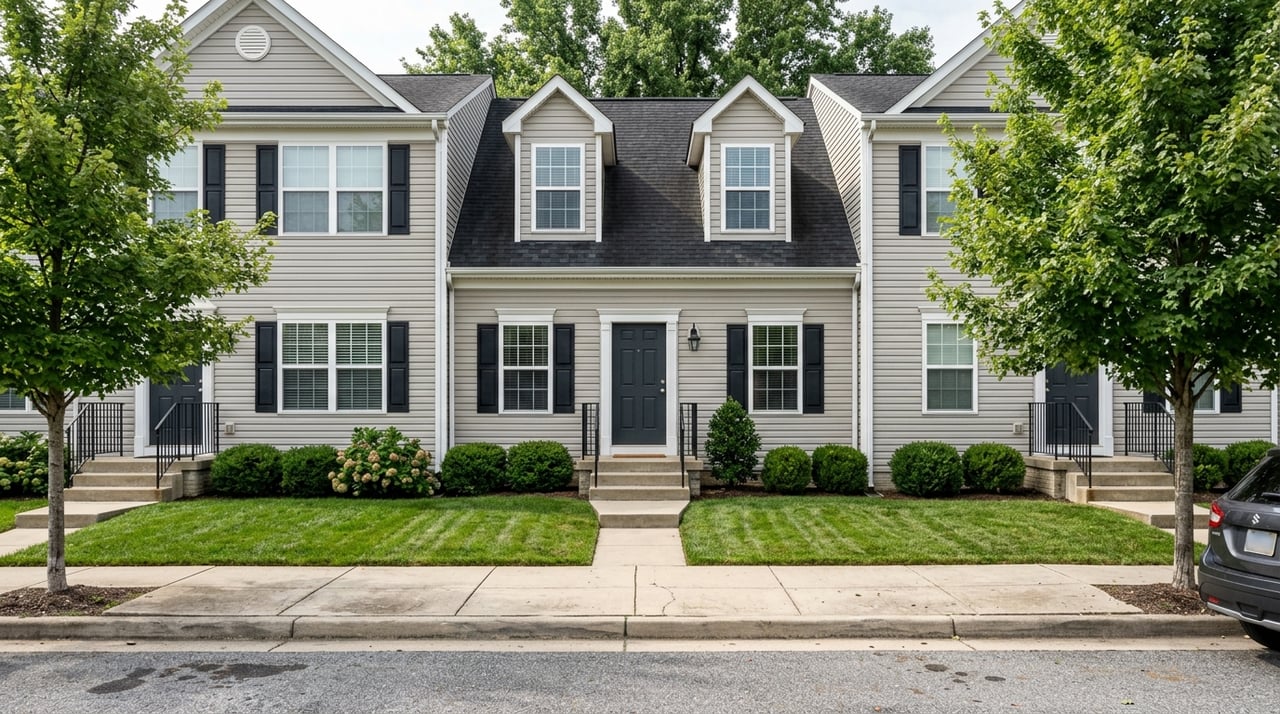
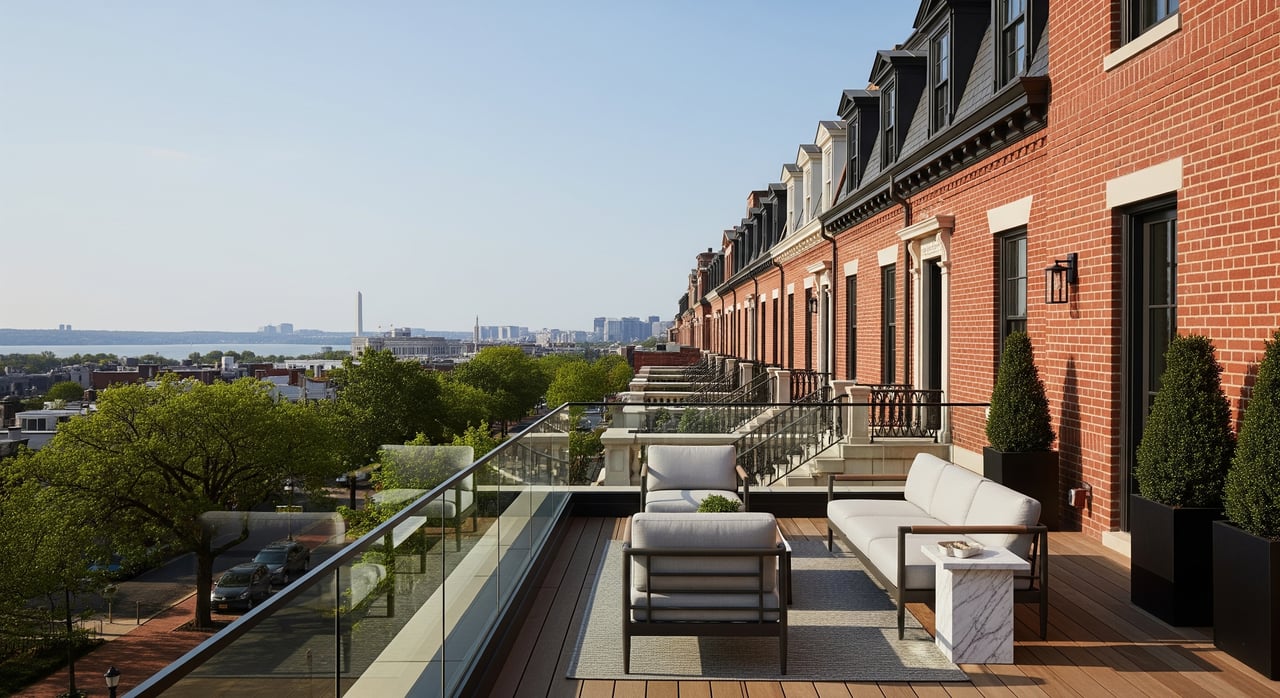
Townhomes can be a strong middle ground. They often suit buyers who want ownership with somewhat lower exterior maintenance and relatively easy access to transit, shopping, and commuter routes.
For many people, that means you can stay close to the action without taking on the footprint of a larger detached property. It is a practical option when convenience matters as much as square footage.
Condos and Apartments Near Transit
If your main goal is convenience, condos or apartments near the transit-station area may deserve attention. These options can work well for buyers who want quick access to rail, shops, and services, and who prefer a more streamlined day-to-day routine.
That setup may be especially useful if you commute regularly or want to reduce how much time you spend on home upkeep. In a location like Springfield, that tradeoff can make a lot of sense.
What the Numbers Suggest
Springfield’s owner-occupied housing unit rate is 66.0%, according to the Census Bureau. The median value of owner-occupied homes is $640,300. Together, those figures point to a largely owner-occupied market with established housing values.
For buyers, that can signal a community with a stable residential base. It also shows that Springfield is not a one-note market. The area supports a range of housing choices within an established Fairfax County setting.
Is Springfield Right for You?
Springfield may be a strong fit if you want practical regional access but do not want your daily life to feel nonstop. You can reach rail, commuter services, major roads, parks, trails, and retail hubs without giving up the calmer feel that many buyers still want from a suburban address.
The right fit depends on how you define balance. For some, that means a detached home on a quieter street with Lake Accotink nearby. For others, it means a townhome or condo with easier access to Franconia-Springfield and a shorter path to shopping, dining, and transit.
If you are weighing those tradeoffs, local guidance matters. A thoughtful home search is not just about finding square footage. It is about matching your routine, commute, and priorities to the part of Springfield that supports them best.
If you are considering a move in Springfield and want a more tailored, private buying experience, North Star Real Estate Group LLC can help you evaluate the options with clarity and discretion.
FAQs
Is Springfield, Virginia good for commuters who need DC-area access?
- Yes. Springfield has a mean travel time to work of 29.1 minutes, and the Franconia-Springfield station connects to the Blue Line, VRE, Fairfax Connector, and Metrobus.
What parks in Springfield, Virginia offer a quieter outdoor setting?
- Lake Accotink Park and Hidden Pond Nature Center are two notable options, with trails, natural scenery, and access to broader parkland connections.
What shopping options are near homes in Springfield, Virginia?
- Springfield Town Center is the major retail hub, and Kingstowne Towne Center offers another nearby option for groceries, dining, and everyday errands.
What types of homes are available in Springfield, Virginia?
- Fairfax County planning documents describe a mix of single-family detached homes, townhouses, multifamily apartments, and mixed-use residential options near the transit-station area.
Is Springfield, Virginia mostly an owner-occupied housing market?
- Yes. The Census Bureau reports that 66.0% of housing units in Springfield are owner-occupied.
How do trails connect around Springfield, Virginia?
- Fairfax County says the Gerry Connolly Cross County Trail connects to the Franconia-Springfield Metro station through the Franconia Springfield Parkway Trail, linking Springfield to a larger trail network.