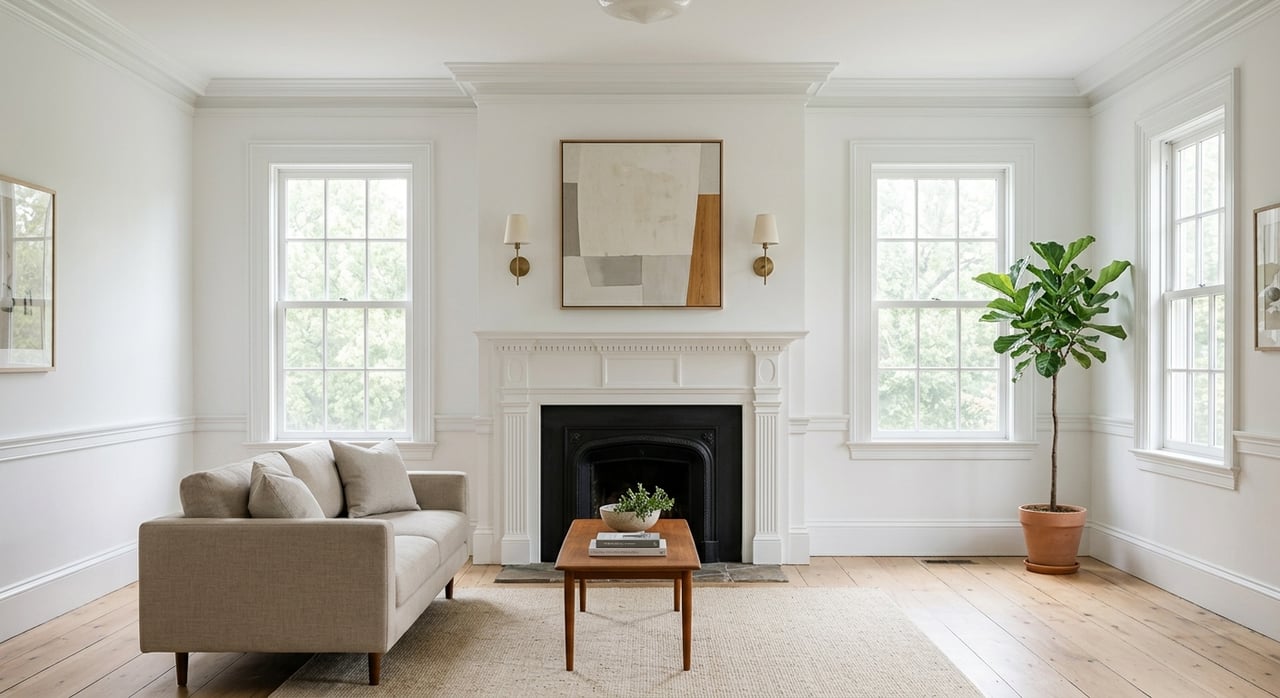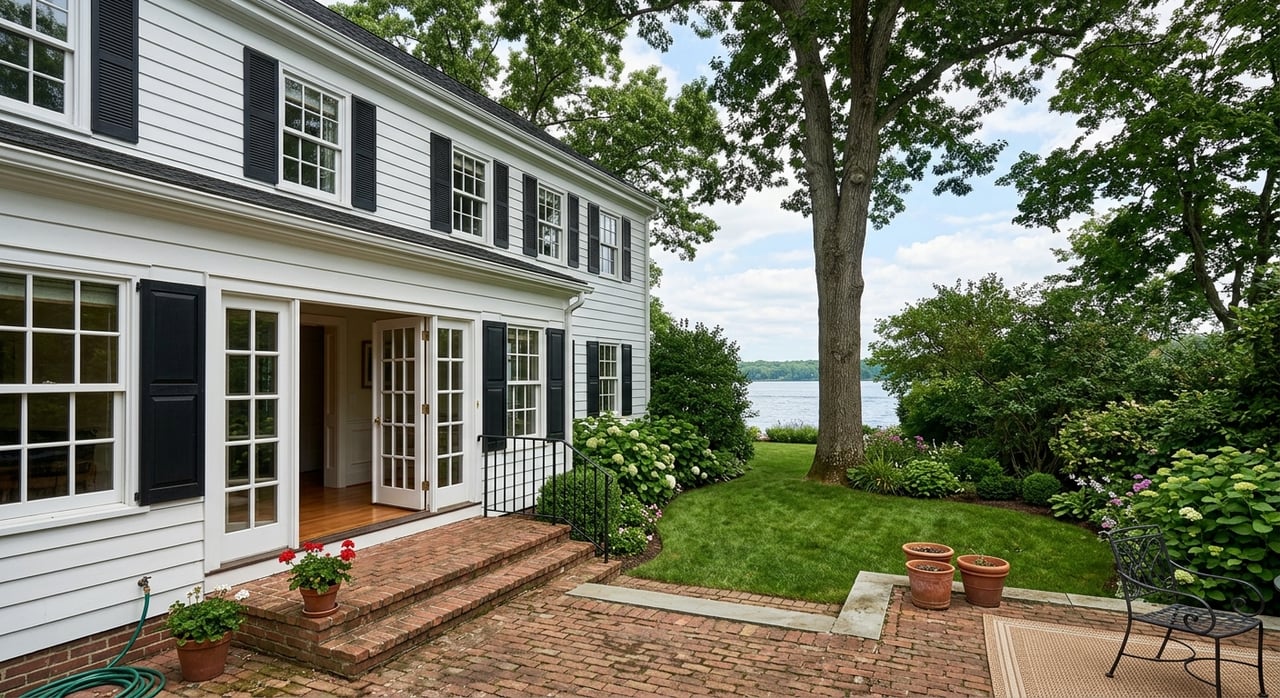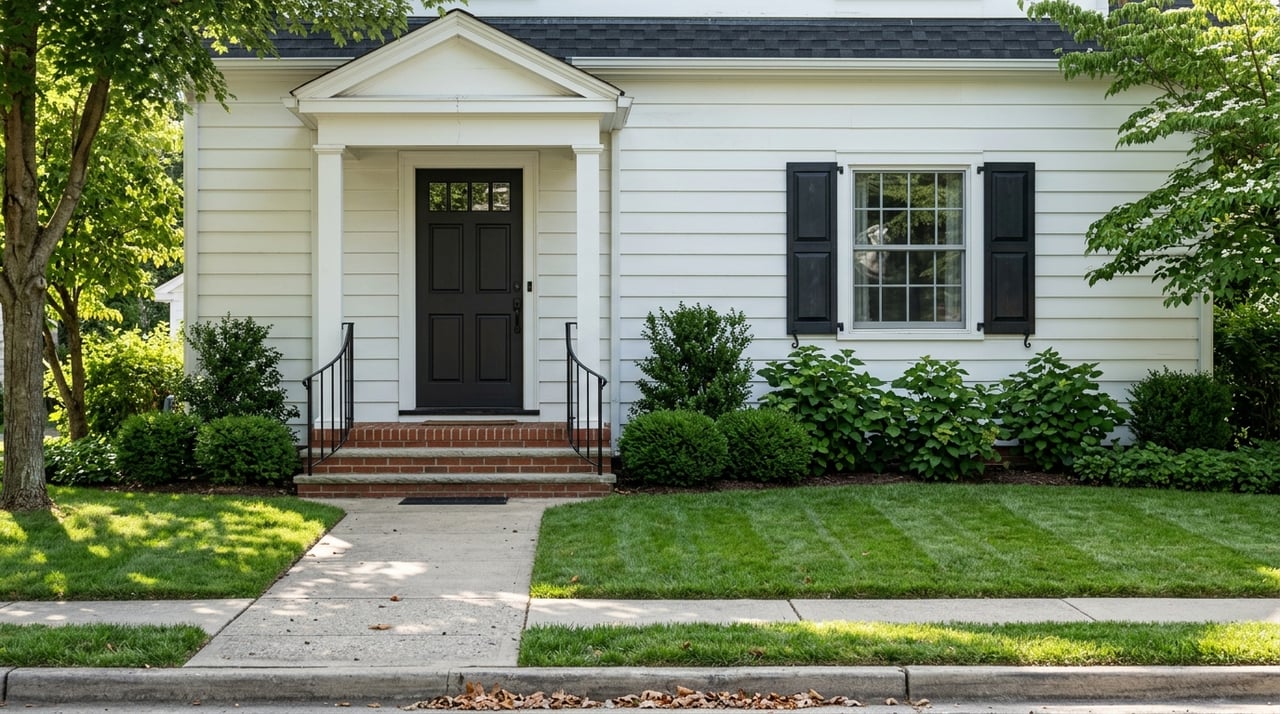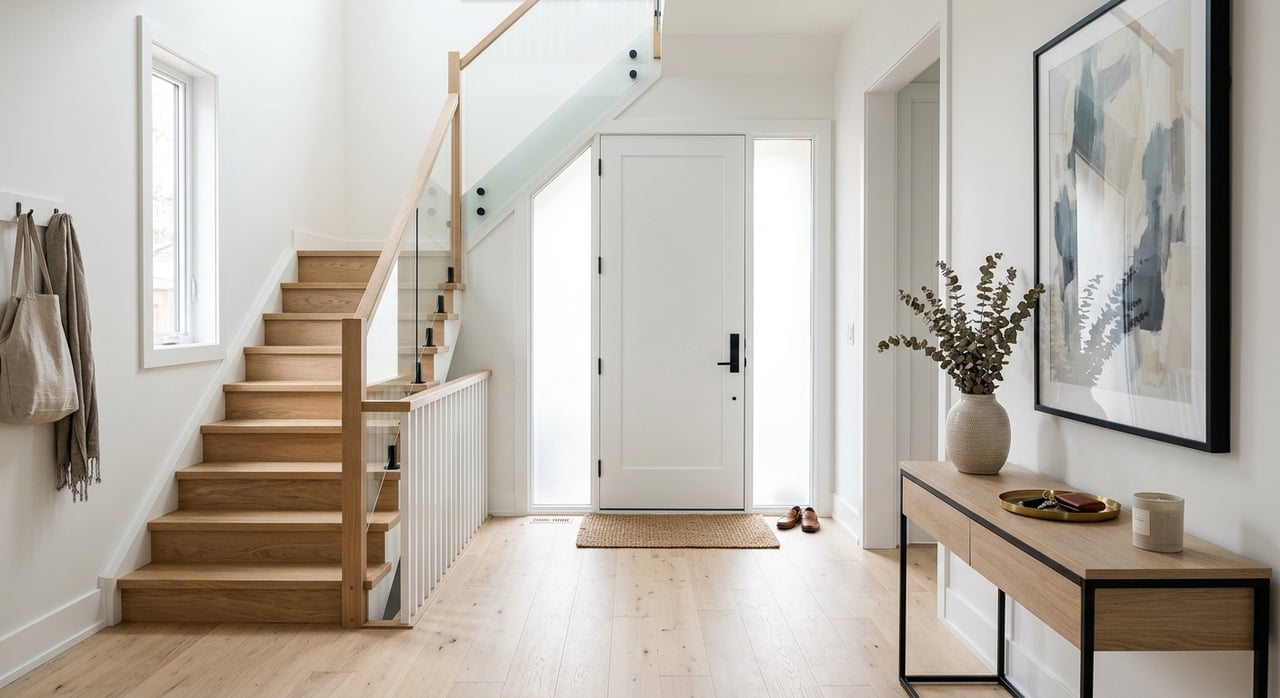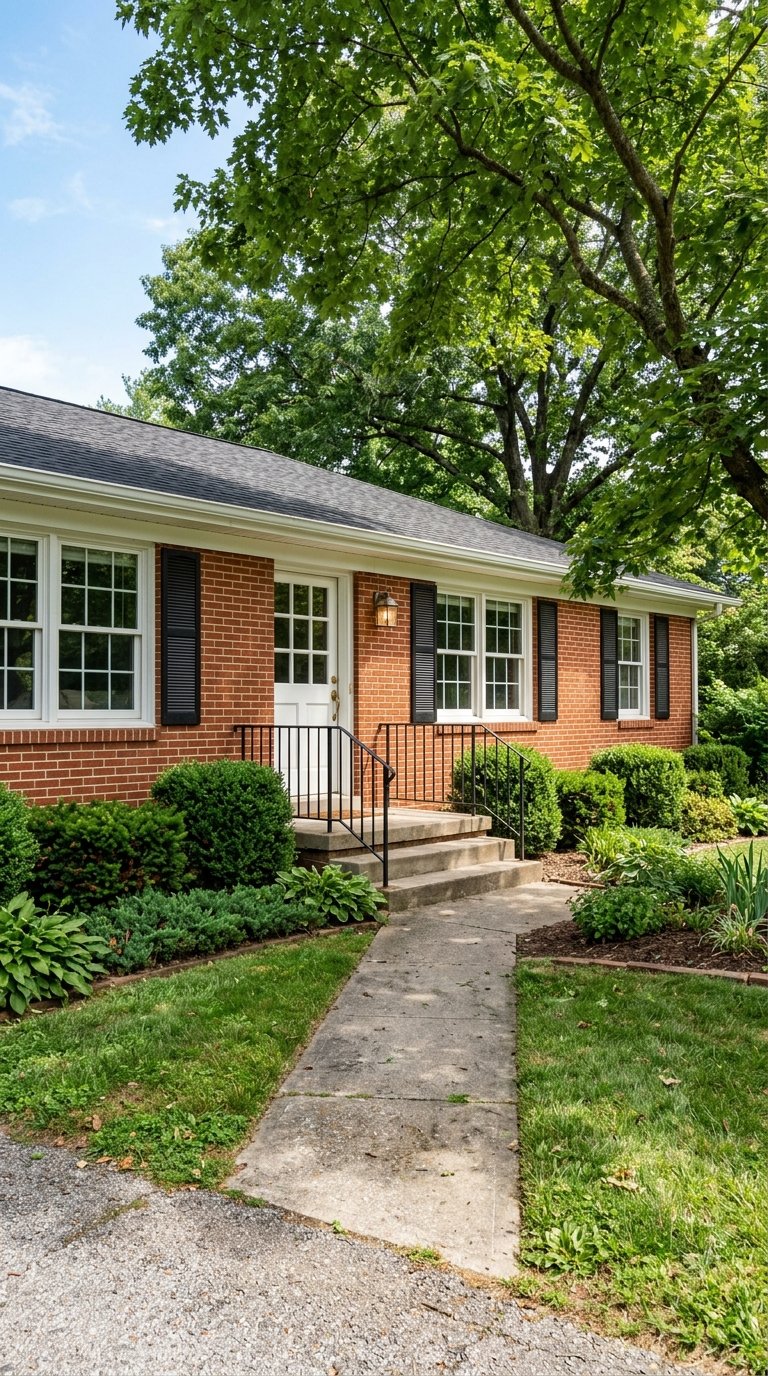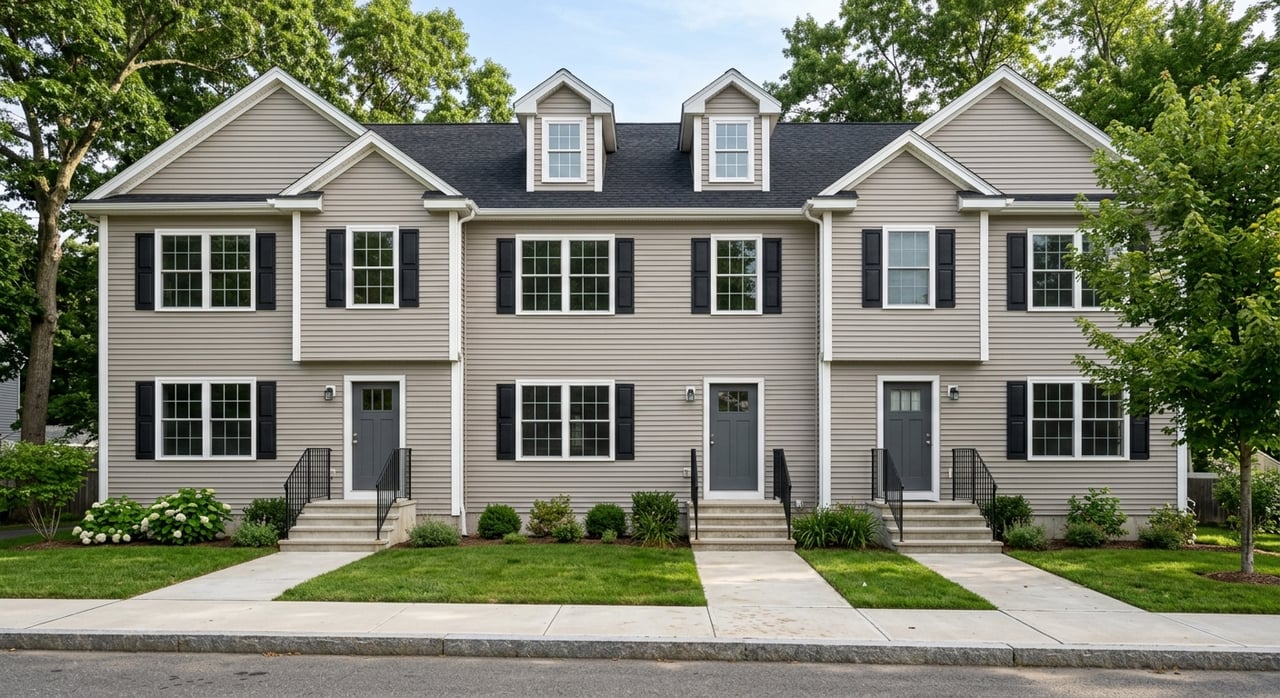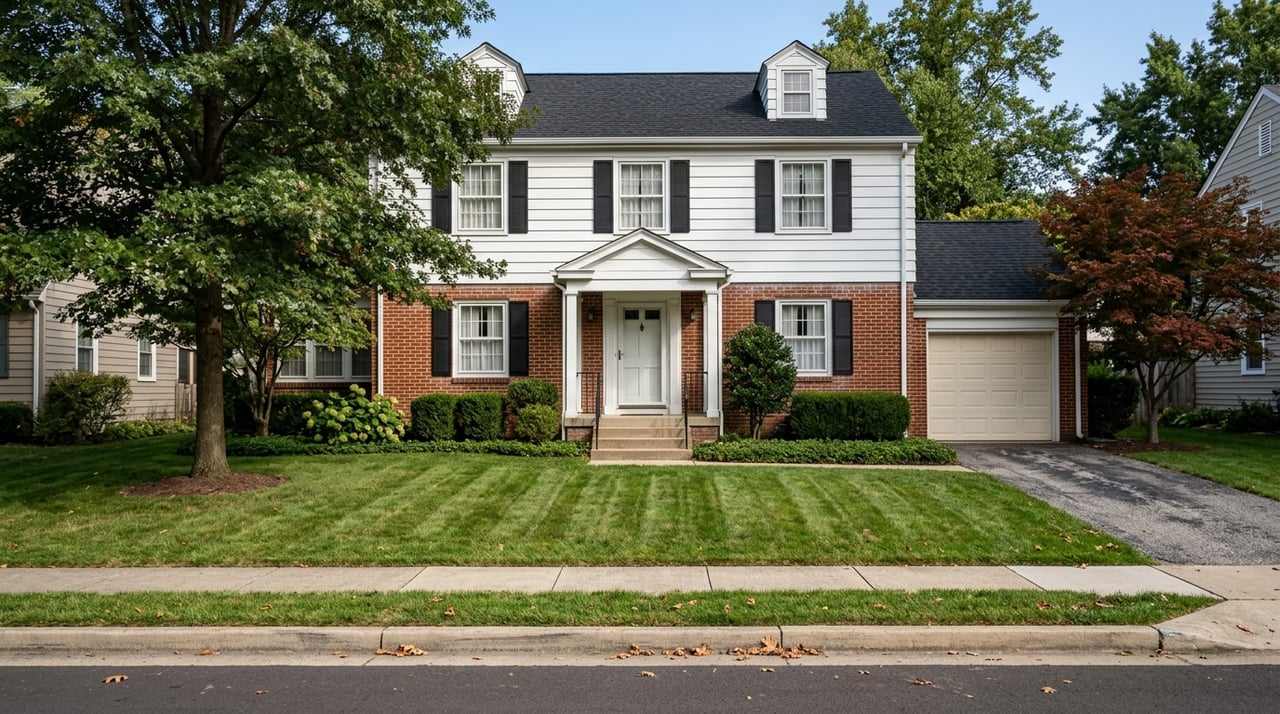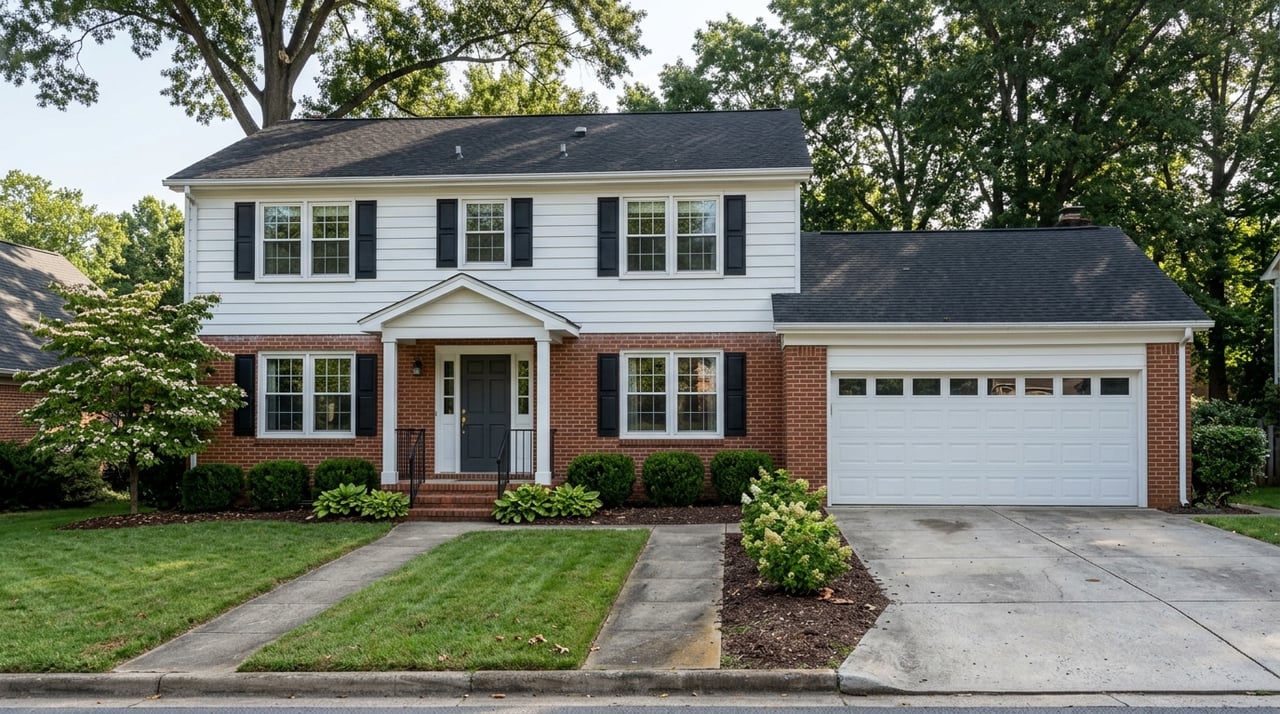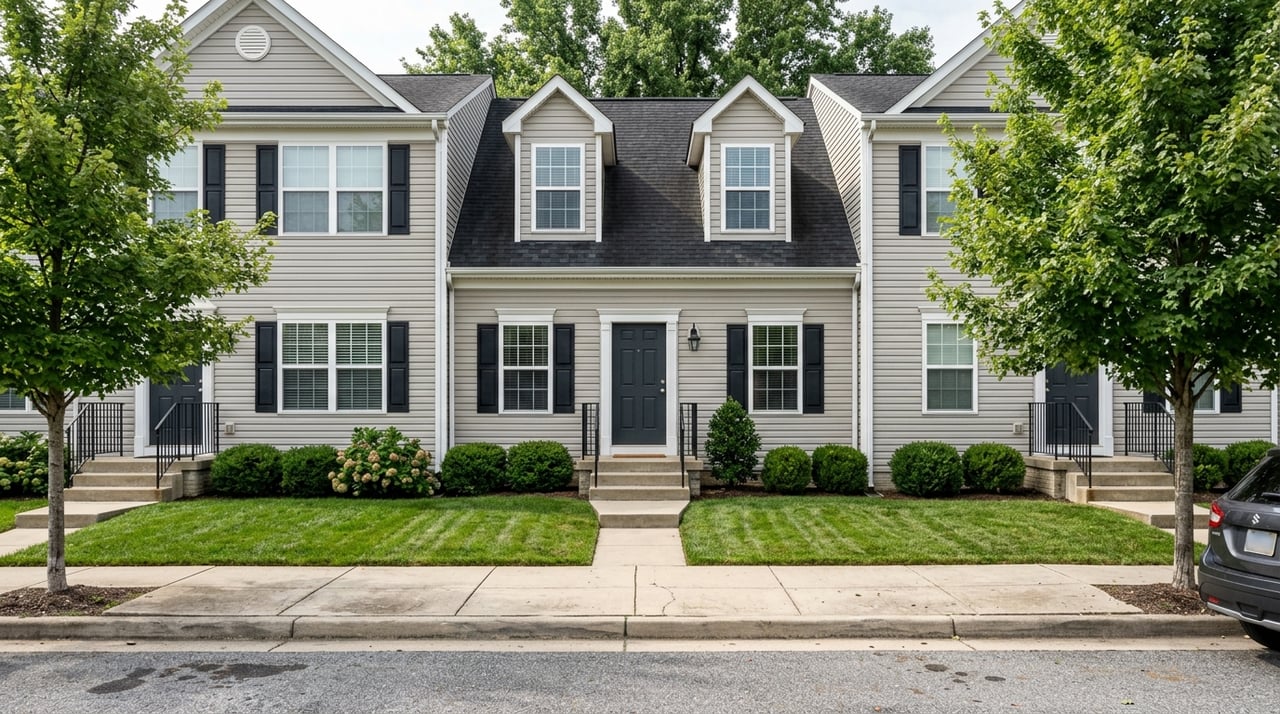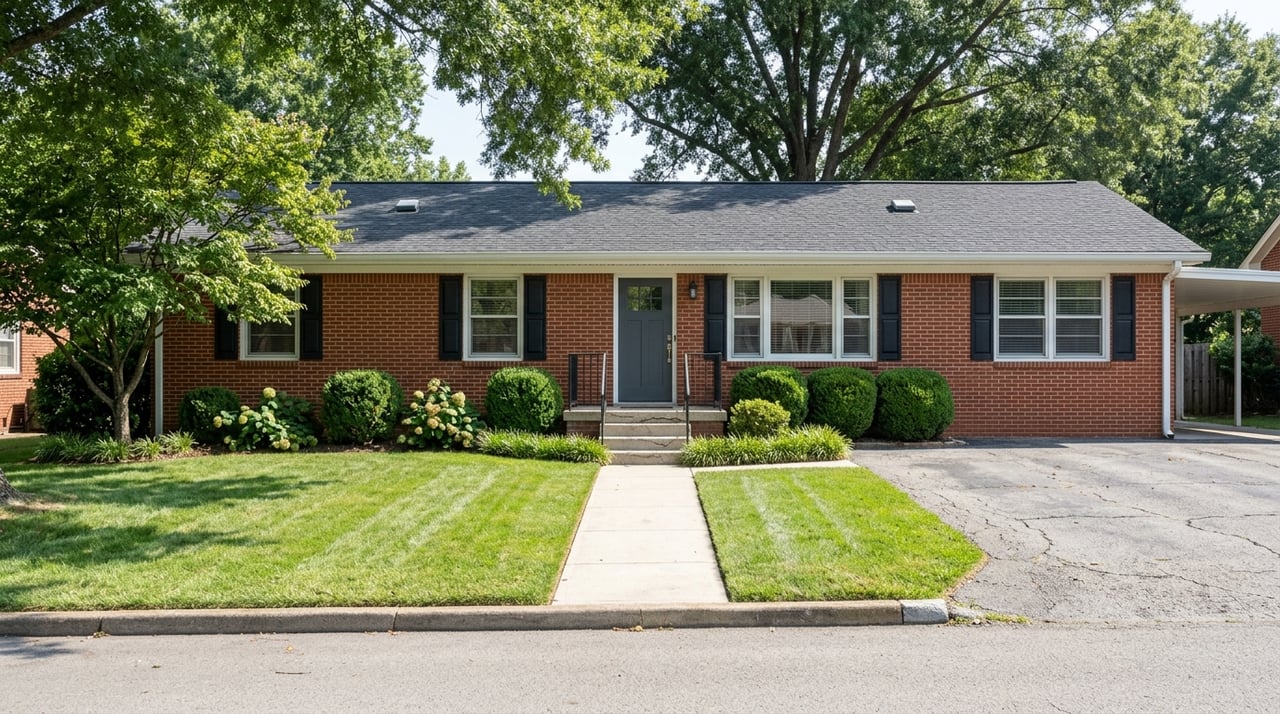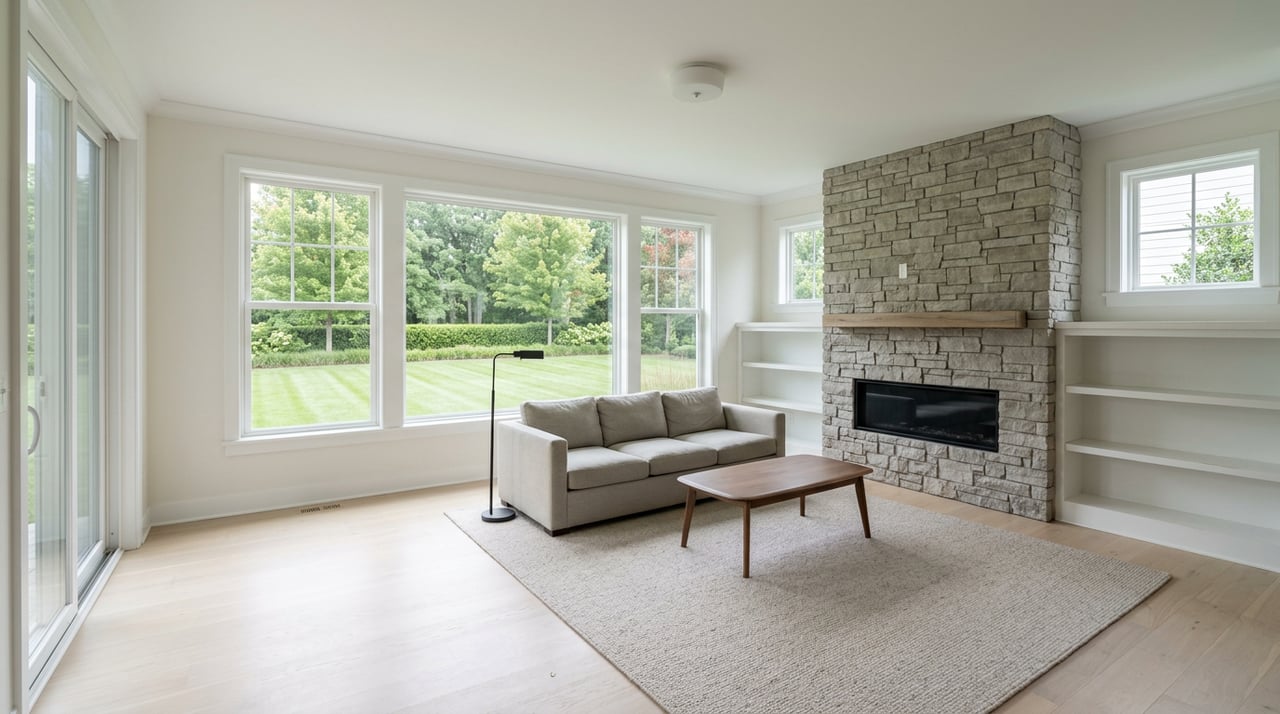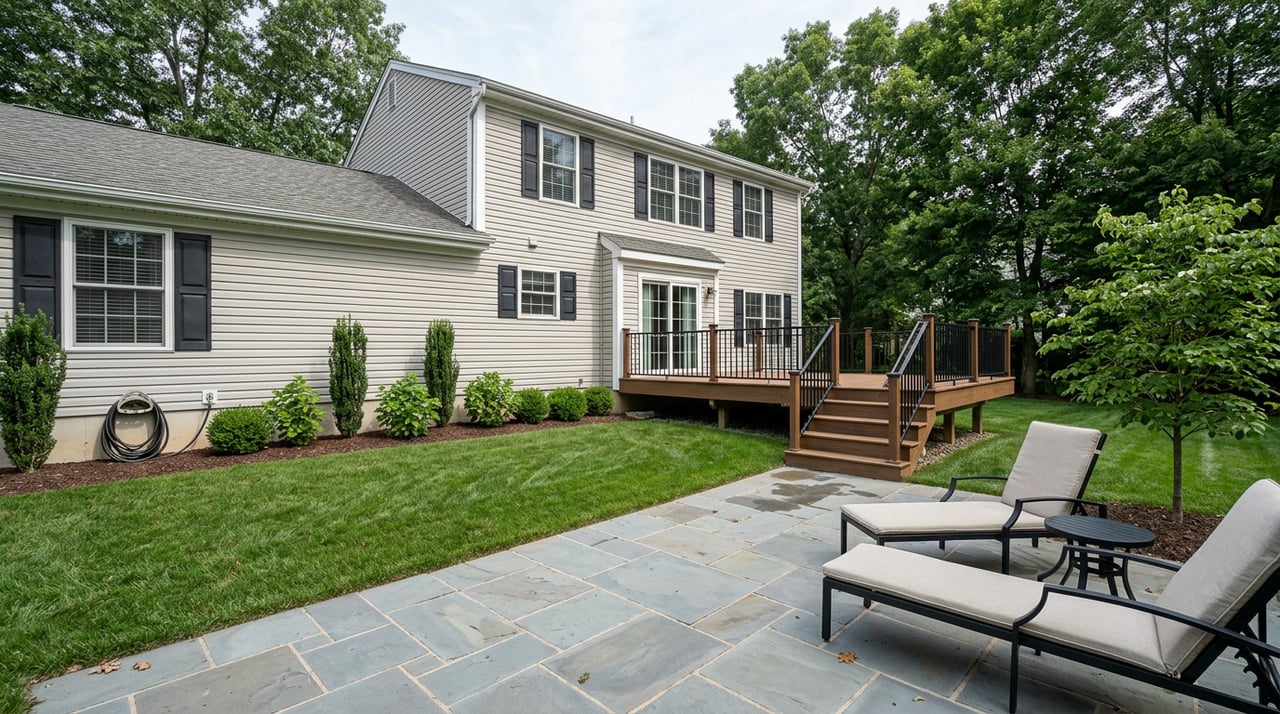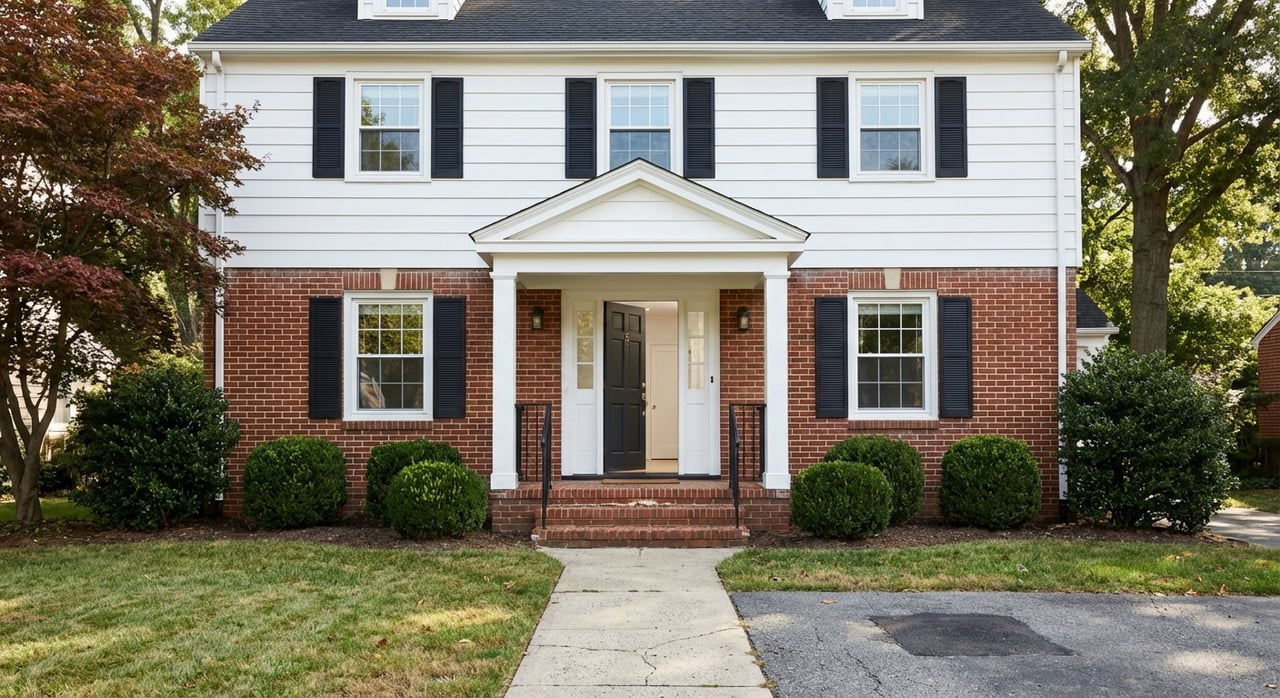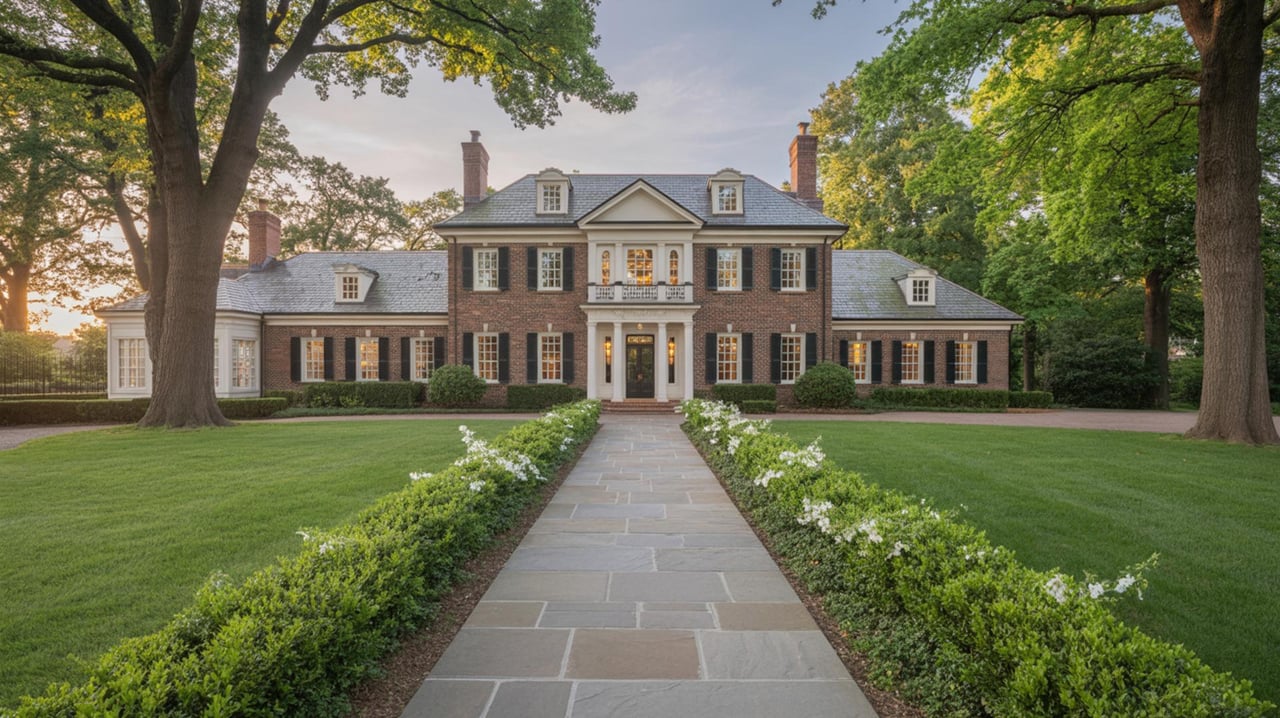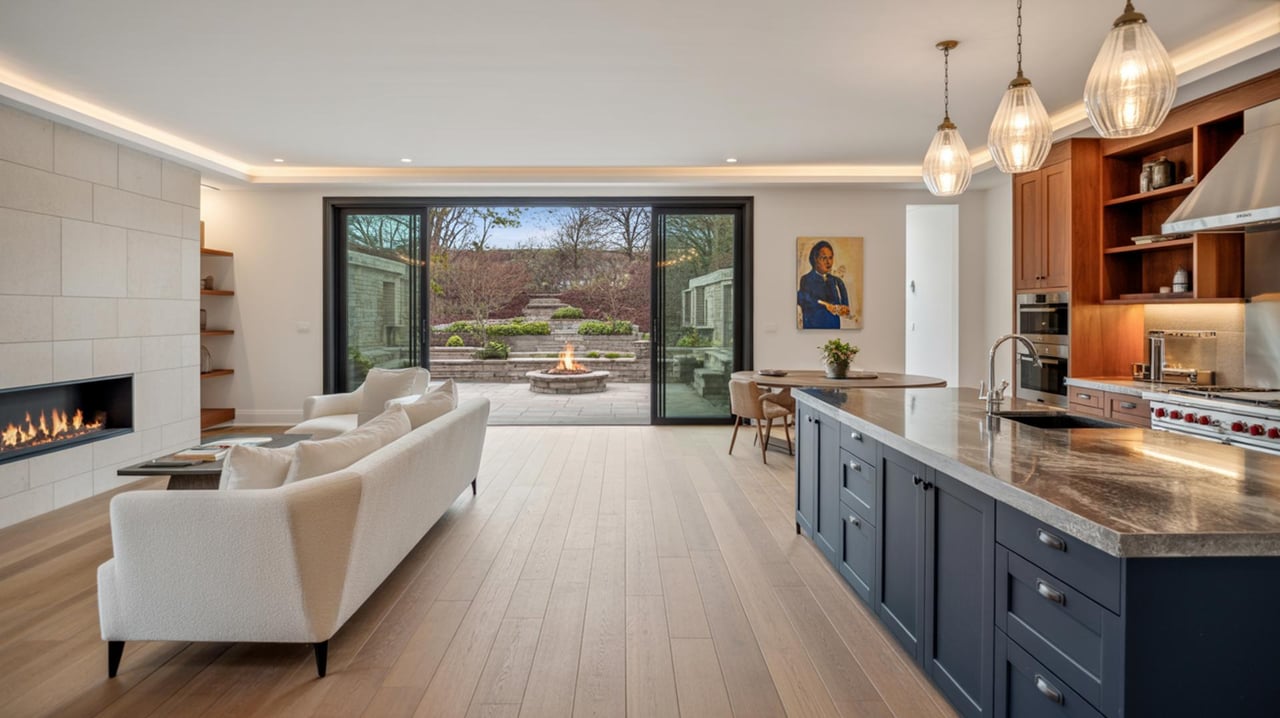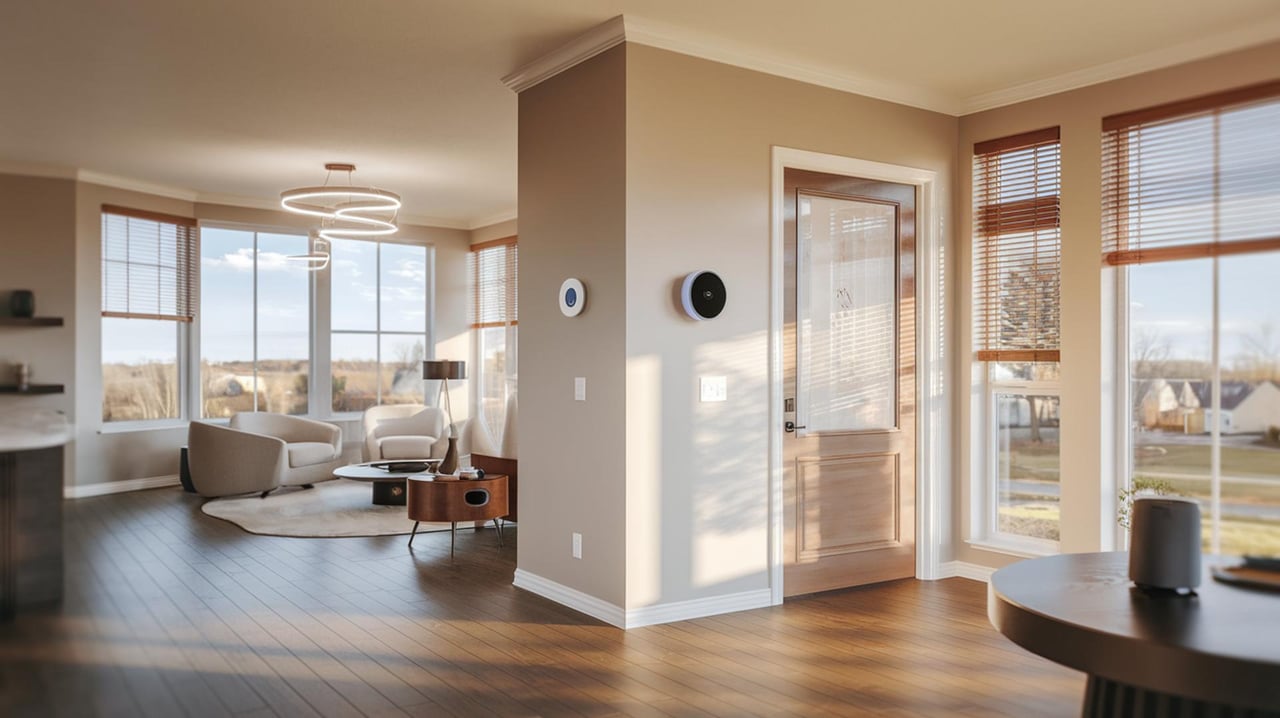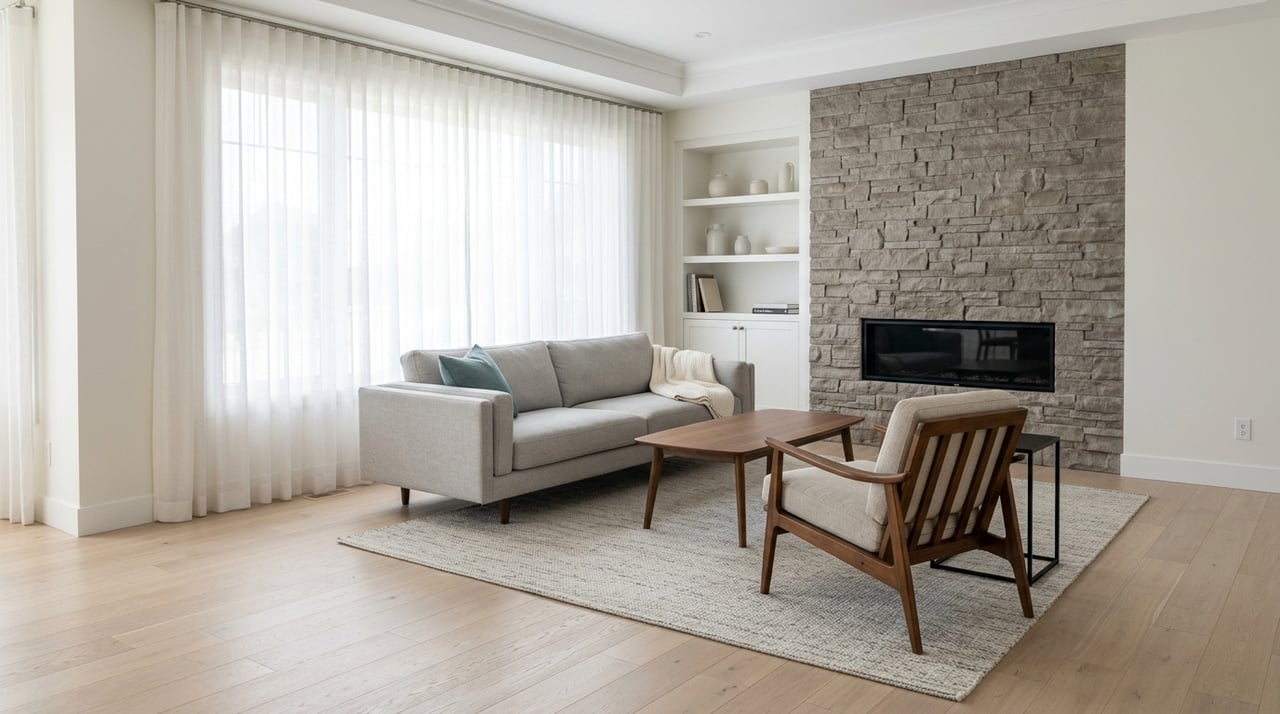
Selling your Springfield home while you still live in it can feel like a tradeoff between privacy and results. You want strong buyer interest, but you may not want constant interruptions, open houses, or strangers moving through your space. The good news is that in today’s Springfield market, you can often protect your routine and still attract serious buyers with the right plan. Here’s how a discreet sale can work, and why a controlled, marketing-first approach matters.
Why discretion can still work in Springfield
Springfield remains a competitive market, which gives you options. Over the three months ending in April 2026, Redfin reported a median sale price of $684,160, about 29 days on market, and an average of 4 offers per home. Zillow also showed a median sale price of $680,267 and a median of 5 days to pending in late April 2026.
That does not mean every home will move the same way. Realtor.com identified ZIP codes 22150 and 22153 as seller’s markets in spring 2026, with median days on market of 19 and 13. In practical terms, that means pricing and launch strategy should be tailored to your specific Springfield micro-market, not based on broad regional averages.
Northern Virginia conditions support a privacy-first strategy too. NVAR reported 1,650 closed sales in April 2026 across the region, up 4.2% year over year, while describing buyer demand as stable despite tight inventory. For you, that means serious buyers are active, even if you want a more controlled showing process.
What a discreet sale really means
A discreet sale is not the same as hiding your home from the market. In most cases, it means controlling access rather than limiting visibility. You can still present the home broadly to qualified buyers while reducing unnecessary foot traffic and protecting your day-to-day life.
That approach matters because broad exposure and controlled access can work together. According to NAR, MLS exposure usually gives a property the widest reach, while showings can remain appointment-only. Instead of inviting a crowd through an open house, you can use a cleaner, more selective path that starts online and narrows to serious in-person visits.
For many occupied homes, the best sequence looks like this:
- Prepare the home for photos and video
- Launch with strong digital presentation
- Let buyers screen the home online first
- Limit in-person visits to scheduled appointments
- Keep all entry tracked and controlled
Start with presentation before access
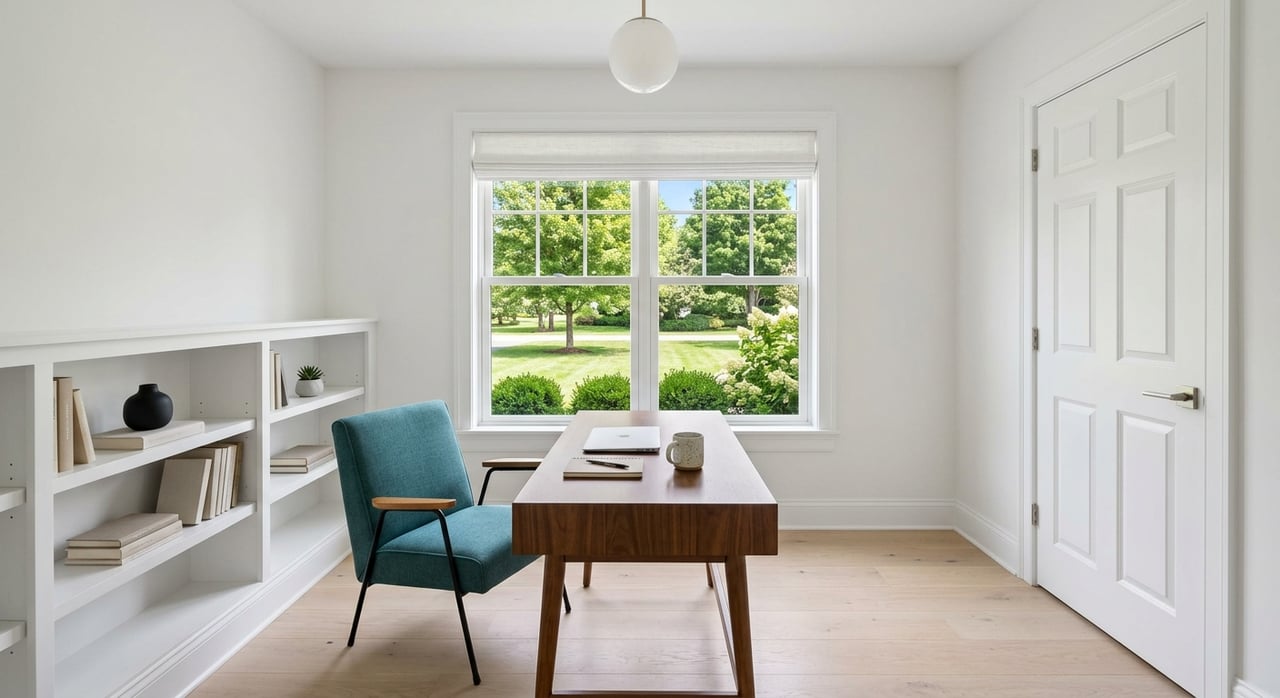
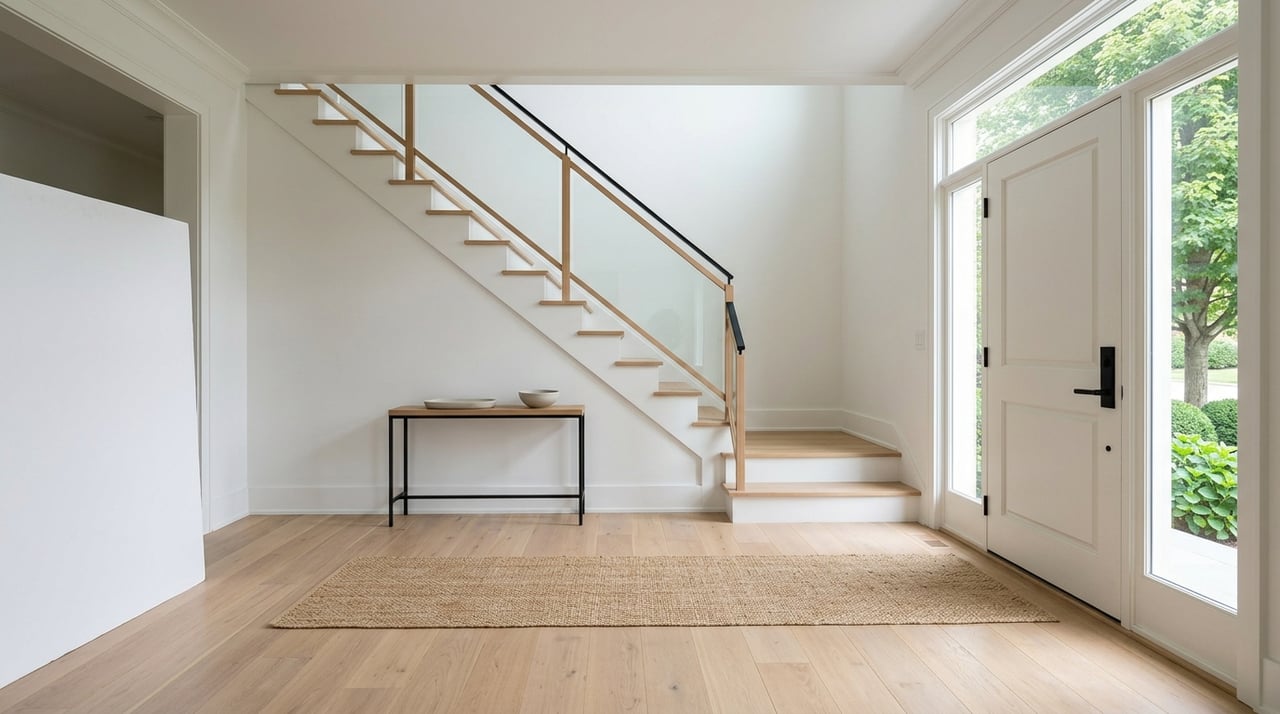
If you still live in the home, the first goal is to make it easy for buyers to understand the property without stepping inside right away. That starts with presentation. NAR defines staging as cleaning, decluttering, repairing, depersonalizing, and updating the home so buyers can picture themselves living there.
This step matters because buyers respond to spaces that feel clear and easy to read. In NAR’s 2025 staging survey, 83% of buyers’ agents said staging made it easier for buyers to visualize the property as a future home. When you want fewer in-person visits, strong visual presentation does more of the selling work upfront.
Before photos or showings, focus on the basics that have the biggest impact:
- Declutter surfaces, storage areas, and main living spaces
- Remove highly personal items like family photos and sensitive documents
- Clean windows, carpets, walls, and lighting fixtures
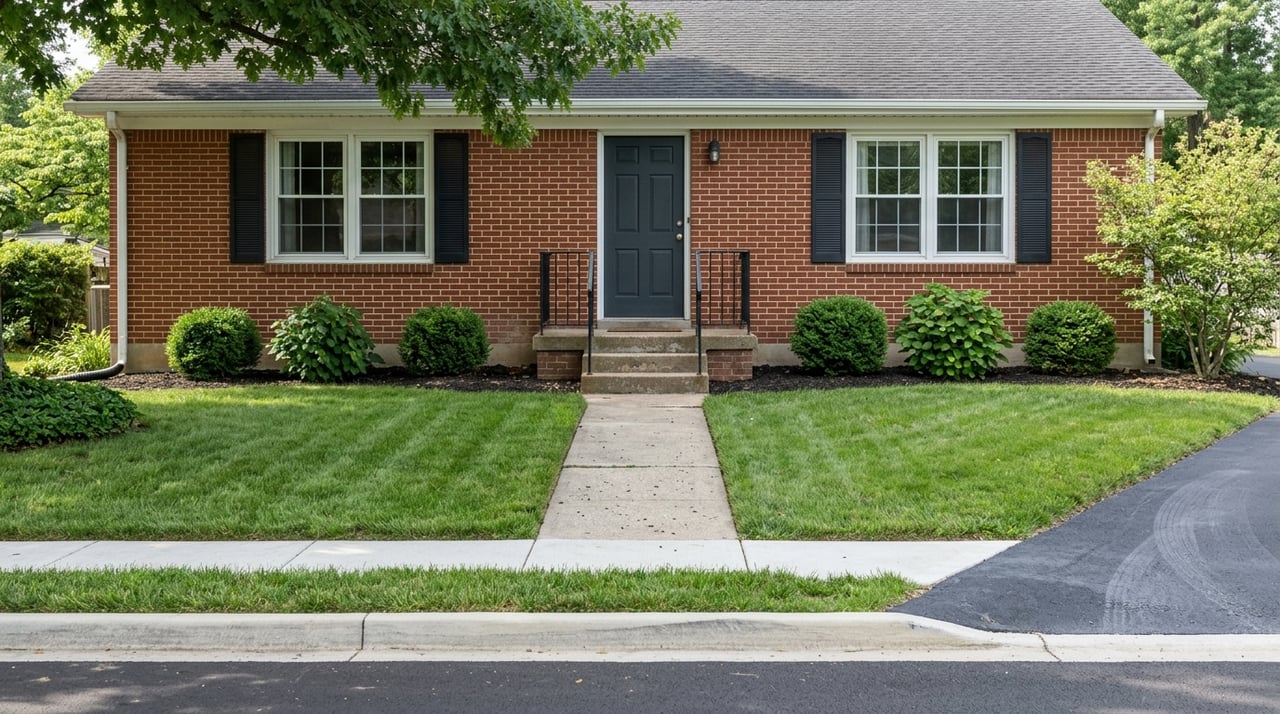
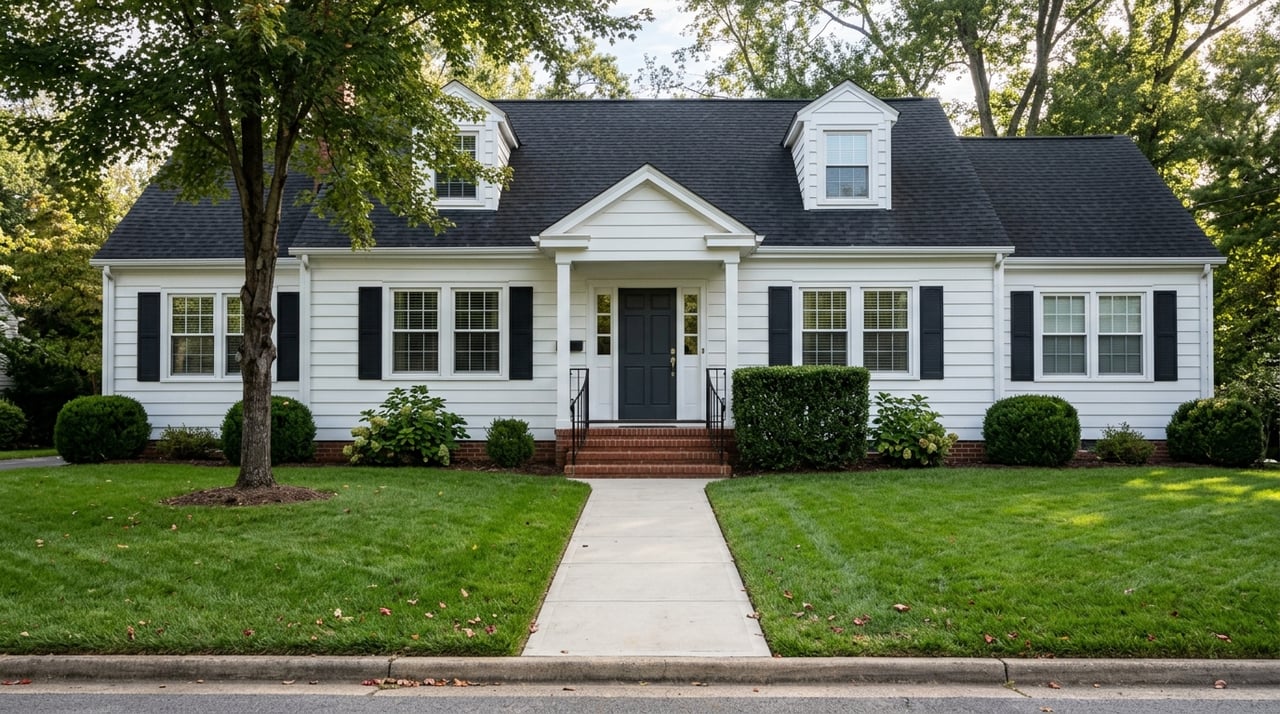
- Tidy the front entry and improve curb appeal
- Complete small repairs that could distract buyers
If full physical staging feels too disruptive, there are still options. NAR notes that self-staging, professional staging, and virtual staging can all help support marketing. The right choice depends on how much change you want to make while continuing to live comfortably in the home.
Use digital marketing to pre-qualify interest
A privacy-first sale works best when your marketing does more before a showing is ever scheduled. Buyers already begin their search online, and many use virtual tools to narrow down options. NAR’s 2024 Profile of Home Buyers and Sellers found that 43% of buyers started by looking online, many used virtual tours and virtual listings, and 88% bought through an agent or broker.
That behavior is helpful if you want discretion. It means buyers can often review photography, video, floor-plan style visuals, and virtual tours before requesting access. By the time someone asks to see your home in person, they may already know it fits their needs.
A strong digital launch for an occupied Springfield home often includes:
- Professional photography
- Video walk-throughs
- Virtual tours
- Clear property details
- A showing process built around pre-screened interest
This kind of sequence reduces casual traffic. It also helps preserve your time, your routine, and the home’s day-to-day livability.
Control showings around your real life
One of the biggest concerns for occupied sellers is disruption. If you work from home, have children, care for a family member, or simply value a quiet routine, random showing requests can quickly become stressful. That is why showing design matters just as much as pricing or marketing.
Appointment-only access is usually the cleanest solution. Realtor.com notes that back-to-back 15- to 20-minute showing slots can reduce chaos compared with a general open house. Instead of dealing with scattered visits all day, you can block showings into tighter windows that fit your schedule.
Think about the hours that should stay off-limits. For example, you may want to avoid work calls, school pickup windows, nap times, dinner hours, or early mornings. Once those boundaries are clear, your agent can build a system that protects your routine while still making the property available to serious buyers.
Helpful showing rules may include:
- Appointment-only access
- Defined daily showing windows
- No overlapping access outside approved time blocks
- Advance notice requirements
- Limited or no open houses
- Buyer screening before in-person visits
Protect privacy and safety inside the home
Discretion is also about protecting your personal information and belongings. NAR recommends electronic lockboxes because they record who enters and when, and they can provide one-time access for approved service providers. That creates more accountability than a looser access system.
Realtor.com’s safety guidance adds a few practical steps for occupied sellers. Before showings, remove or secure valuables, medication, credit cards, computers, and bills or records that include personal information. It is also wise to keep access points controlled and avoid informal or unsupervised entry.
A simple pre-showing checklist can help:
- Store jewelry and valuables out of sight
- Remove prescription medication
- Secure mail, bills, and financial documents
- Log out of visible computers or devices
- Lock away spare keys and garage remotes
- Make sure only approved entrances are used
These steps are not about creating fear. They are about reducing risk and keeping your home secure while it is being marketed.
Price for your Springfield micro-market
Privacy should never come at the expense of pricing discipline. In Springfield, market speed can vary by ZIP code and neighborhood, so a generic pricing strategy can either leave money on the table or slow momentum. The local data shows a competitive market, but it also shows that not every listing behaves the same way.
That is why pricing should be specific to your immediate area, condition, and launch strategy. A well-priced home that shows clearly online can often generate strong early interest, which is especially important when you want fewer but more qualified showings. In a fast-moving segment, the right opening price helps buyers take the listing seriously from the start.
Stay compliant with Virginia rules
A discreet sale still has to follow the same legal requirements as any other sale. In Virginia, the Residential Property Disclosure Act requires sellers of most residential property to provide the state disclosure statement before contract ratification. The form explains that the owner is making no representations or warranties about the property’s condition, and that buyers should perform their own due diligence.
If your Springfield property is part of a condominium or property owners’ association, you may also need a resale certificate or disclosure packet. Under Virginia resale rules, that package may include governing documents, fee information, and restrictions that can affect items like for-sale signs. For a discreet sale, those rules matter because they may shape how access and exterior marketing are handled.
Virginia also requires brokerage relationship disclosures after substantive discussions about a specific property with a non-client. In other words, a low-visibility sale still needs full compliance behind the scenes. Privacy can shape the process, but it does not replace the required paperwork.
Why a curated process matters
Selling an occupied home discreetly works best when the process is designed from the beginning, not improvised after the listing goes live. That includes pricing, prep, digital presentation, showing windows, access controls, and compliance. Each part supports the others.
This is also consistent with how many sellers prefer to work. NAR’s 2024 survey found that 90% of sellers used a real estate agent, 81% contacted only one agent before hiring, and 66% worked with an agent they had used before or who came by referral. Sellers also said they most wanted help with marketing, pricing competitively, and selling within a specific timeframe.
For a Springfield seller who values privacy, that kind of trusted, boutique guidance can make the experience far more manageable. You do not need more noise. You need a plan that combines thoughtful marketing, selective access, and steady execution.
If you want to sell your Springfield home without turning daily life upside down, a discreet strategy can absolutely work. With strong visuals, controlled showings, local pricing, and full Virginia compliance, you can protect your privacy while still meeting the market well. To discuss a tailored, privacy-first selling plan, connect with North Star Real Estate Group LLC.
FAQs
How can you sell a Springfield home discreetly while still living in it?
- Use a privacy-first plan with professional digital marketing, appointment-only showings, controlled access, and scheduling built around your household routine.
Is Springfield, VA a good market for a privacy-first home sale?
- Yes. Spring 2026 data showed Springfield as a competitive market, with seller’s market conditions in ZIP codes 22150 and 22153 and steady regional buyer demand across Northern Virginia.
Should you skip the MLS for a discreet Springfield home sale?
- Not necessarily. A discreet sale often works best when you keep broad market visibility but tightly control in-person access through scheduled showings and buyer screening.
What should you remove before showings in an occupied Springfield home?
- Remove or secure valuables, medication, financial records, credit cards, computers, personal documents, and other items that could expose private information.
What Virginia disclosures still apply in a discreet home sale?
- Virginia sellers generally still must provide the Residential Property Disclosure Statement before ratification, and condo or HOA properties may also require a resale certificate or disclosure packet.
How should you schedule showings when you still live in your Springfield home?
- Set clear off-limit hours, group showings into defined appointment windows, and avoid open-ended access so the process fits your work, family, and daily routine.