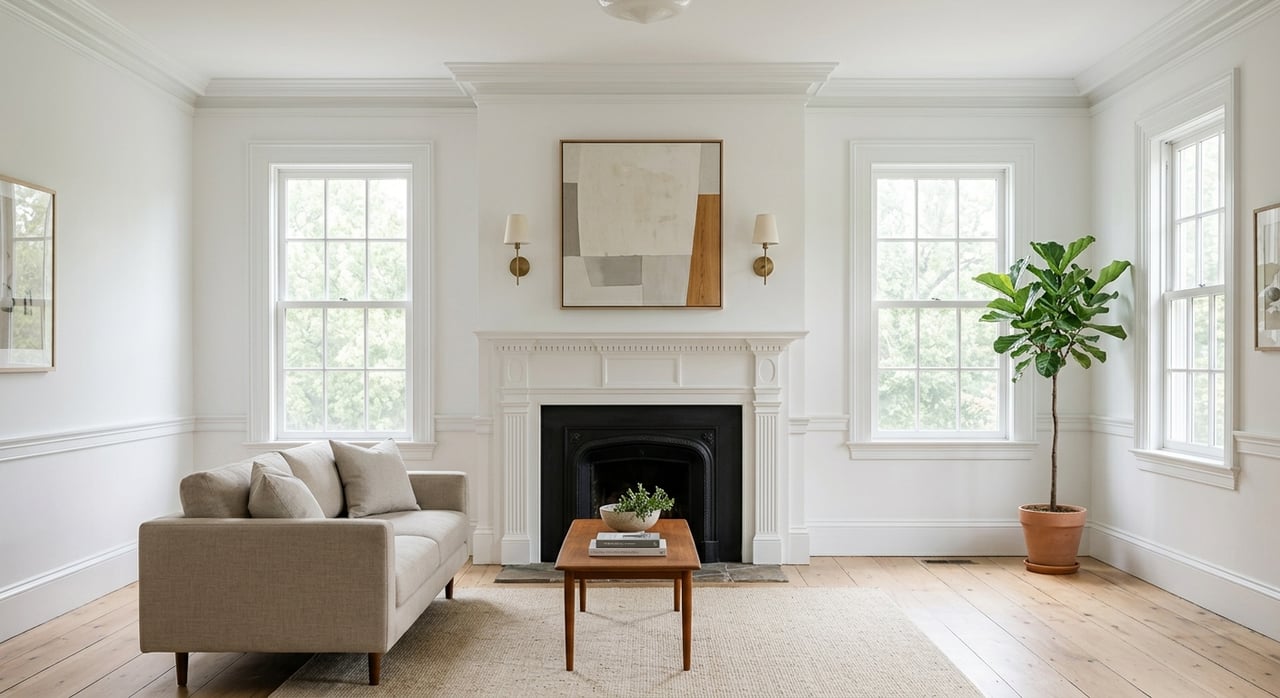
Wondering how to make a historic Alexandria home feel current without stripping away the details that make it special? You are not alone. Selling an older home often means balancing charm, function, and buyer expectations, especially in a market where online presentation matters from the first click. In this guide, you will learn how to stage a historic Alexandria home in a way that respects its character, broadens buyer appeal, and supports a polished, truthful presentation. Let’s dive in.
Why historic character matters
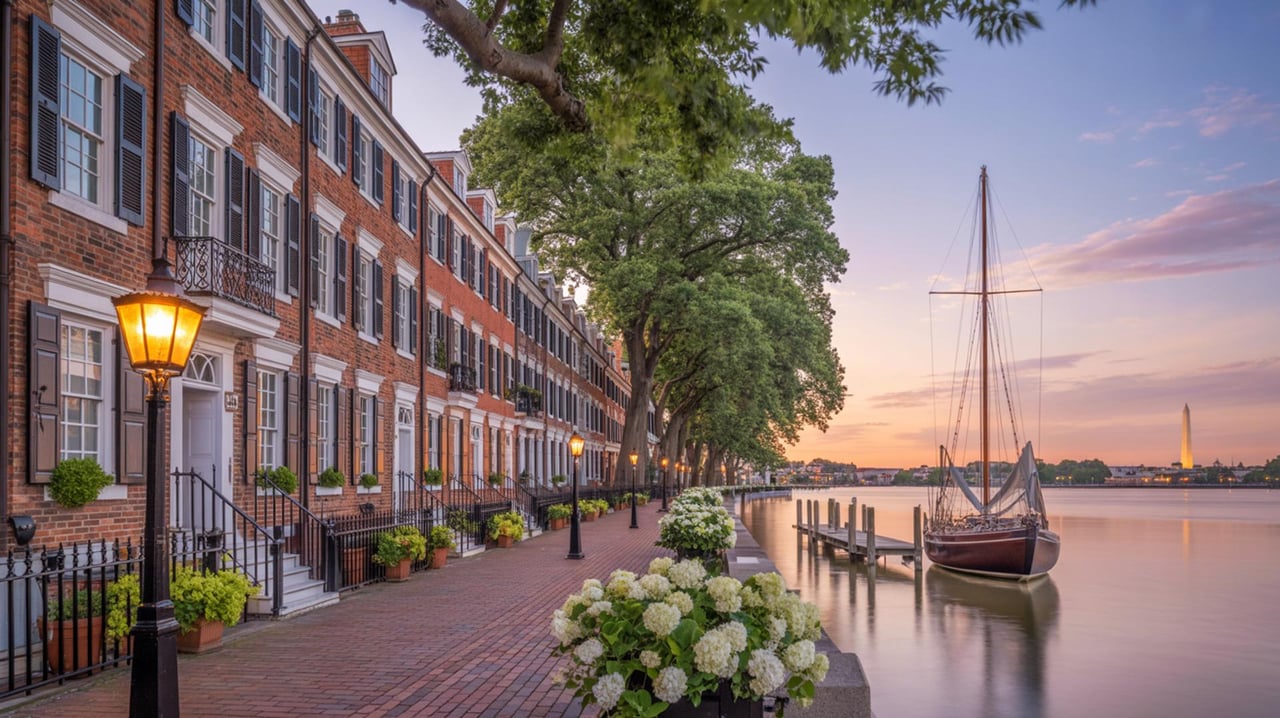
In Alexandria, historic character is not a side note. The city identifies its historic legacy as a core cultural and economic asset, and it includes seven National Register historic districts. That means many buyers are not just shopping for square footage. They are also responding to craftsmanship, architectural details, and a sense of place.
For you as a seller, that creates a clear opportunity. The goal is not to make your home look like every other listing. The goal is to present its historic features in a clean, calm, and updated way so modern buyers can appreciate both the home’s story and how they might live there today.
Start with Alexandria rules
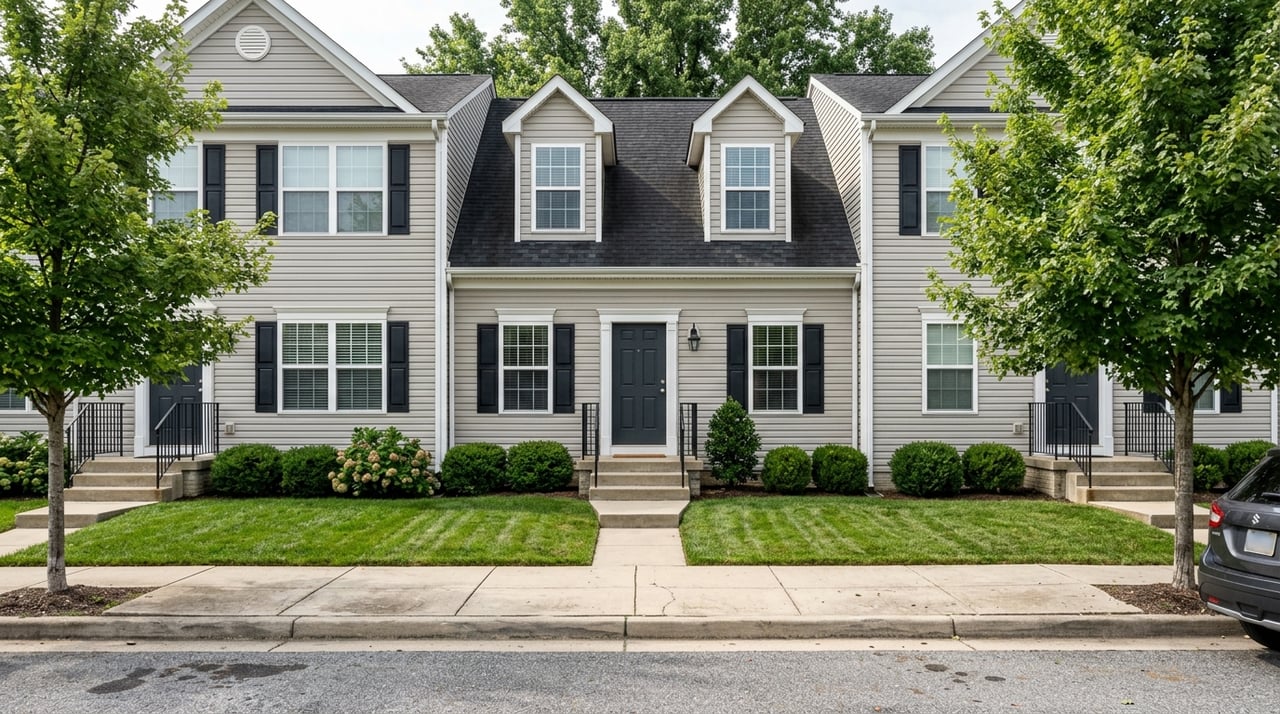
Before you touch curb appeal, check whether your property falls under local historic review. Alexandria regulates exterior changes in Old & Historic Alexandria, Parker-Gray, and city-designated One Hundred-Year-Old Buildings through its preservation review system.
Interior work does not require Board of Architectural Review approval. That gives you a lot of flexibility indoors for staging, paint refreshes, furniture placement, accessories, and photography. If you are thinking about exterior changes that are visible from a public right-of-way, review may be required.
The city’s guidelines specifically address features such as windows, shutters, doors, masonry, roofing, siding and trim, and stoops and railings. If you are considering painting previously unpainted masonry, Alexandria notes that approval is required. Some applications can be handled administratively, and when materials are complete, that review normally takes less than five business days.
Exterior updates to check early
If you want to improve first impressions before listing, start by confirming whether your home is in a local historic district or is designated as a One Hundred-Year-Old Building. Then focus on touch-ups that do not create avoidable review issues.
A smart pre-listing approach often includes:
- Confirming local historic status early
- Avoiding unnecessary exterior alterations
- Preserving original visible features when possible
- Checking city review requirements before changing materials
- Planning listing photos after exterior cleanup is complete
Edit the home, not its history
A historic home should not be staged like a blank box. Practical guidance on historic interiors suggests starting with what already exists and letting defining features remain visible. In other words, your architecture should lead the conversation.
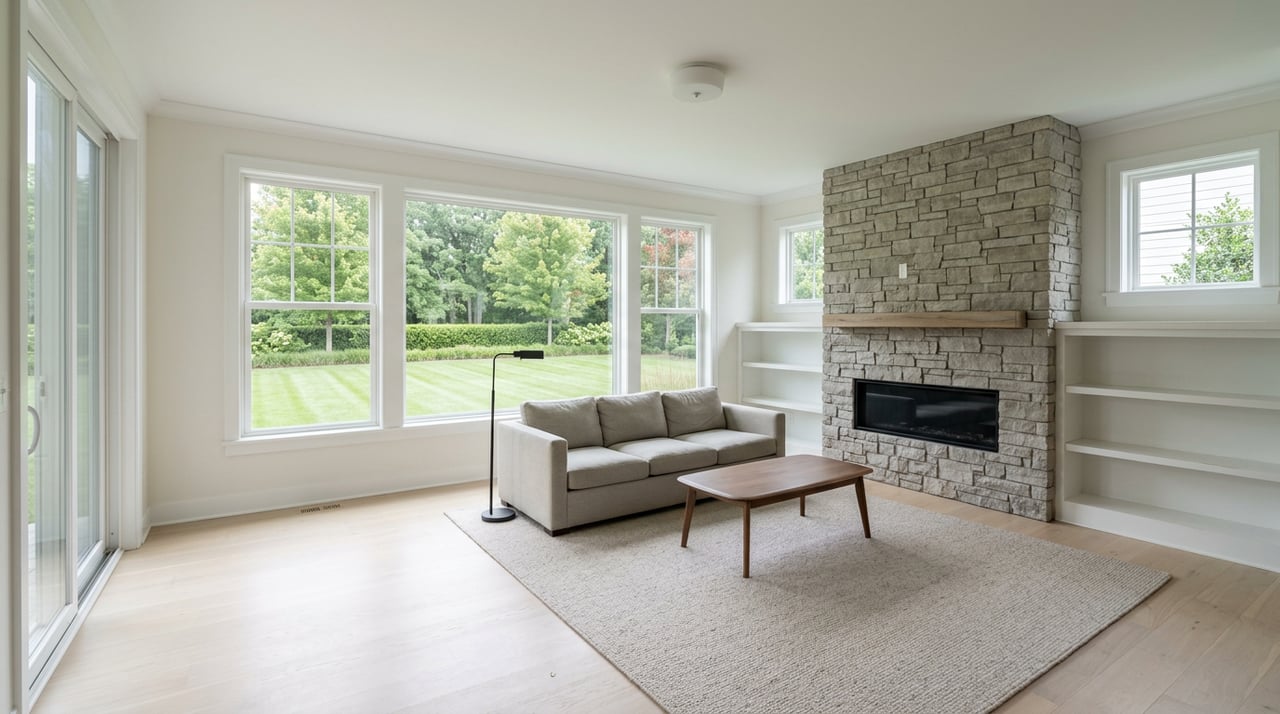
That means original wood trim, fireplaces, floors, ceiling details, and built-ins should be easy to see. If these elements are hidden by oversized furniture, heavy window treatments, or visual clutter, buyers may miss the features that set your home apart.
Highlight period details
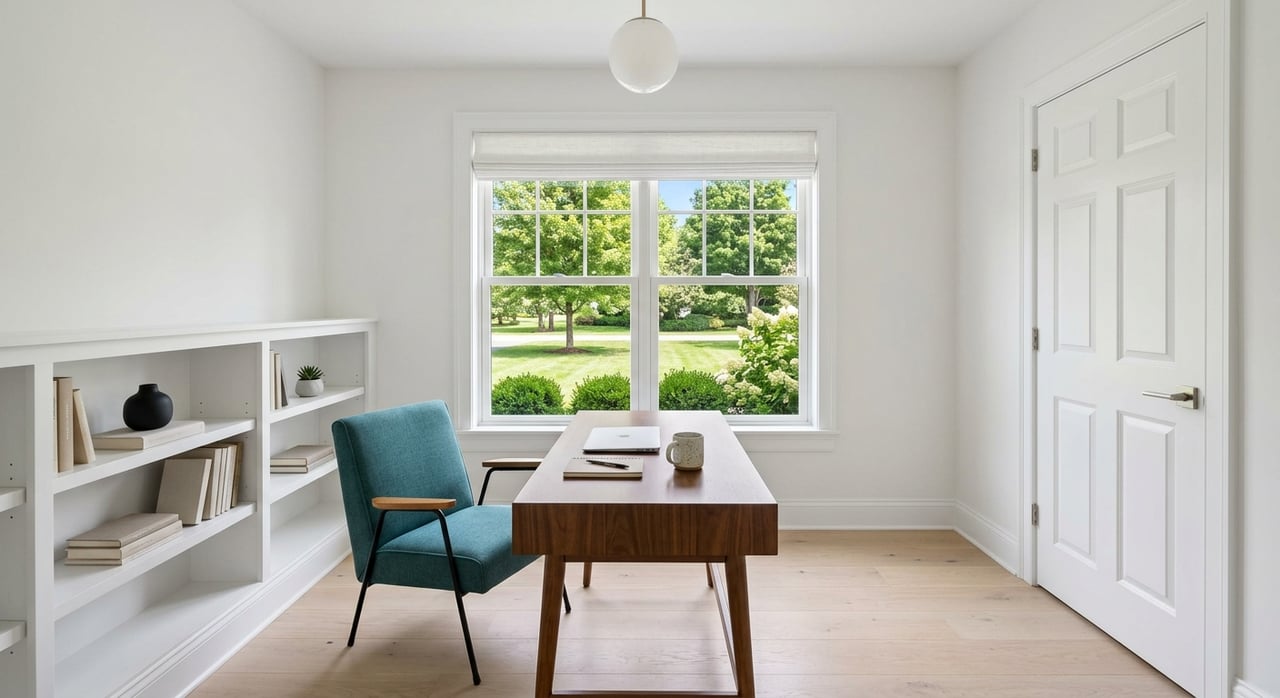
When buyers walk through a historic Alexandria home, they are often looking for authenticity. Help them notice what is special by creating clear sightlines and keeping decorative choices simple.
Try these staging moves:
- Pull furniture away from detailed mantels or trim
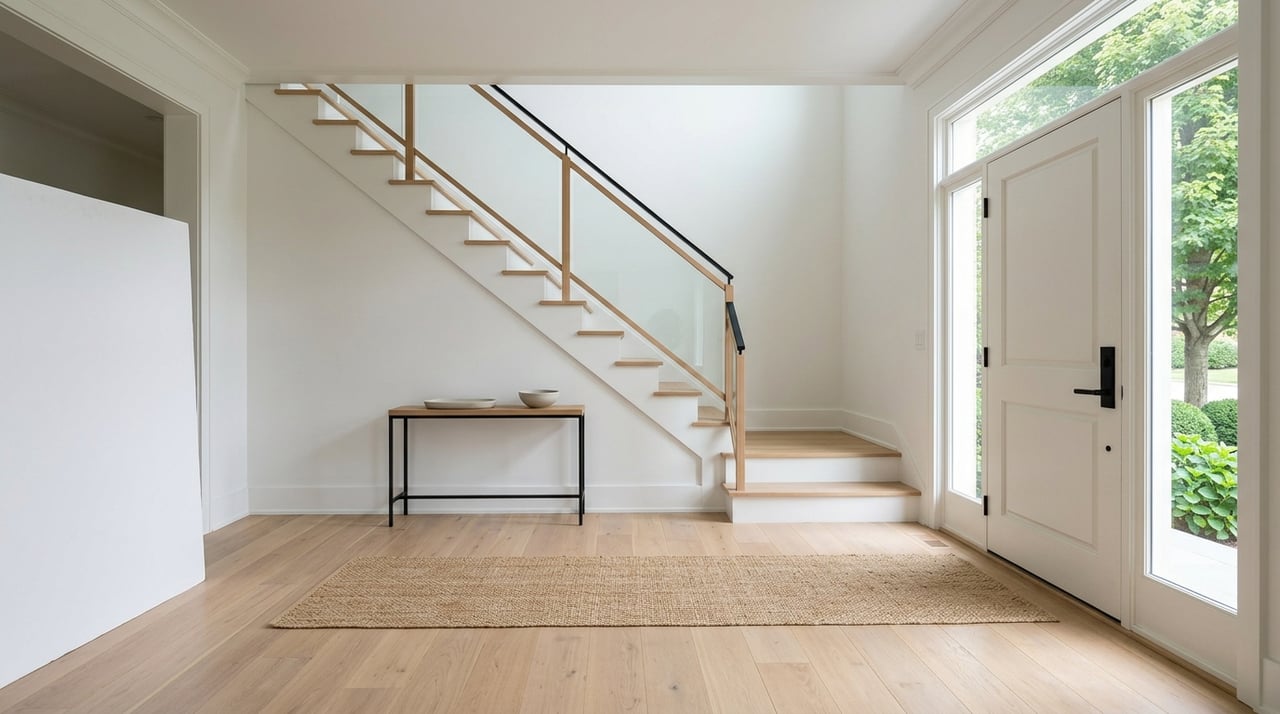
- Use area rugs instead of covering notable floors wall to wall
- Limit accessories on antique surfaces
- Keep window treatments light so natural light reaches key features
- Use lighting that softens the room without overpowering the architecture
This approach helps the home feel refined rather than overdesigned. It also keeps the property from feeling generic, which is especially important when character is part of the value.
Create modern buyer appeal
Historic charm alone is rarely enough. Buyers still want rooms that feel functional, spacious, and easy to imagine as their own. According to the National Association of Realtors 2025 staging report, 83% of buyers’ agents said staging made it easier for buyers to visualize a property as a future home.
That matters because visualization drives decisions. More than a quarter of real estate professionals also reported that staged homes generated 1% to 10% more in offered value, and about half said staged homes sold faster.
Focus on the right rooms
If you are deciding where to spend time and money, prioritize the spaces buyers notice most. NAR reported that the rooms most often staged were the living room, primary bedroom, kitchen, dining room, and outdoor spaces.
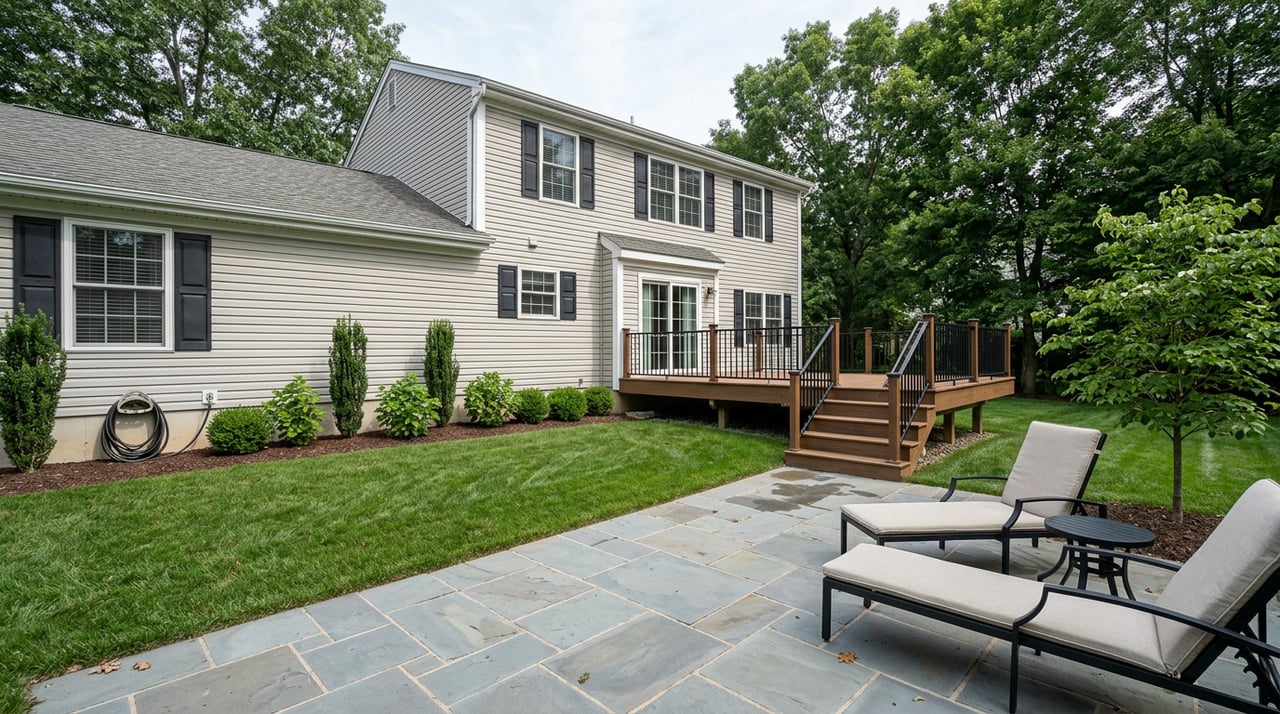
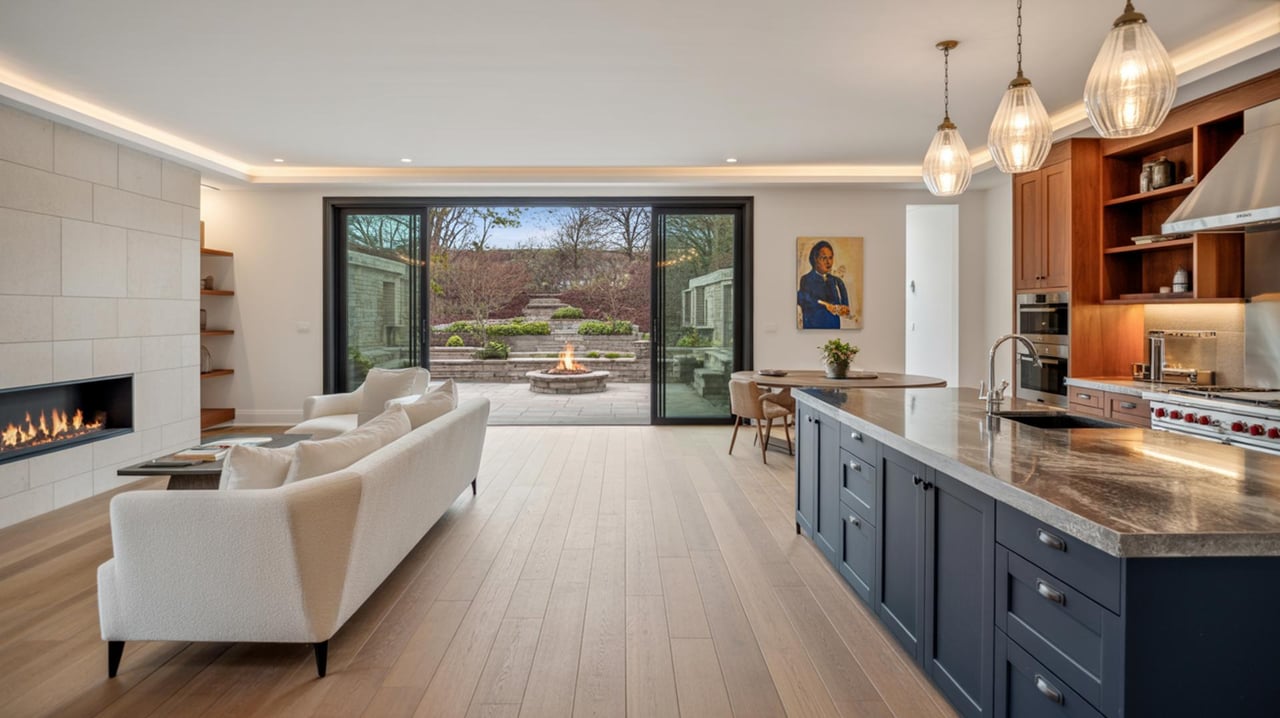
In a historic Alexandria home, those areas often shape the first emotional response. A clean, balanced living room can show off fireplace details. A simplified dining room can help buyers imagine entertaining. A refreshed outdoor space can make an older property feel more complete and move-in ready.
Declutter with discipline
Decluttering is one of the most effective low-cost staging steps. It is also one of the easiest ways to make an older home feel larger and calmer.
NAR’s consumer guidance recommends packing away personal items such as family photos, toiletries, medicines, firearms, and valuables. It also suggests keeping closets about half full, removing bulky furniture, and maintaining spotless, clutter-free rooms.
For historic homes, this matters even more because visual noise competes with architectural detail. When shelves, counters, and corners are too full, buyers notice the stuff before they notice the home.
Use neutral updates carefully
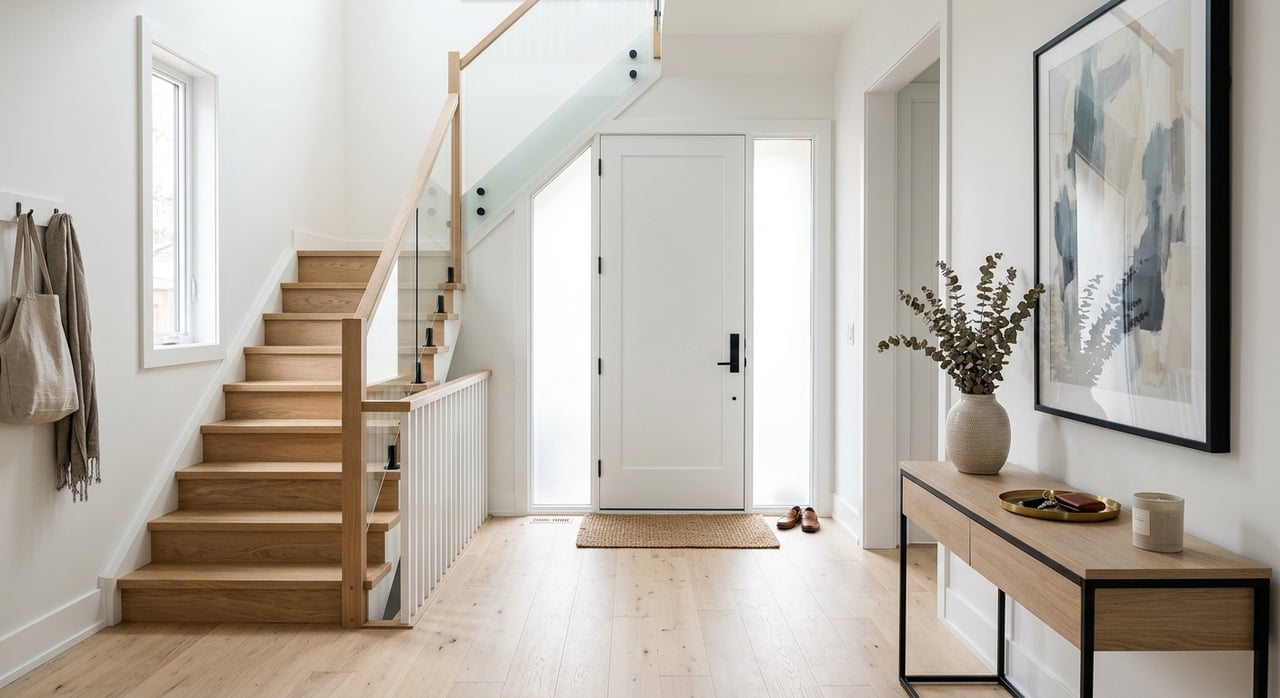
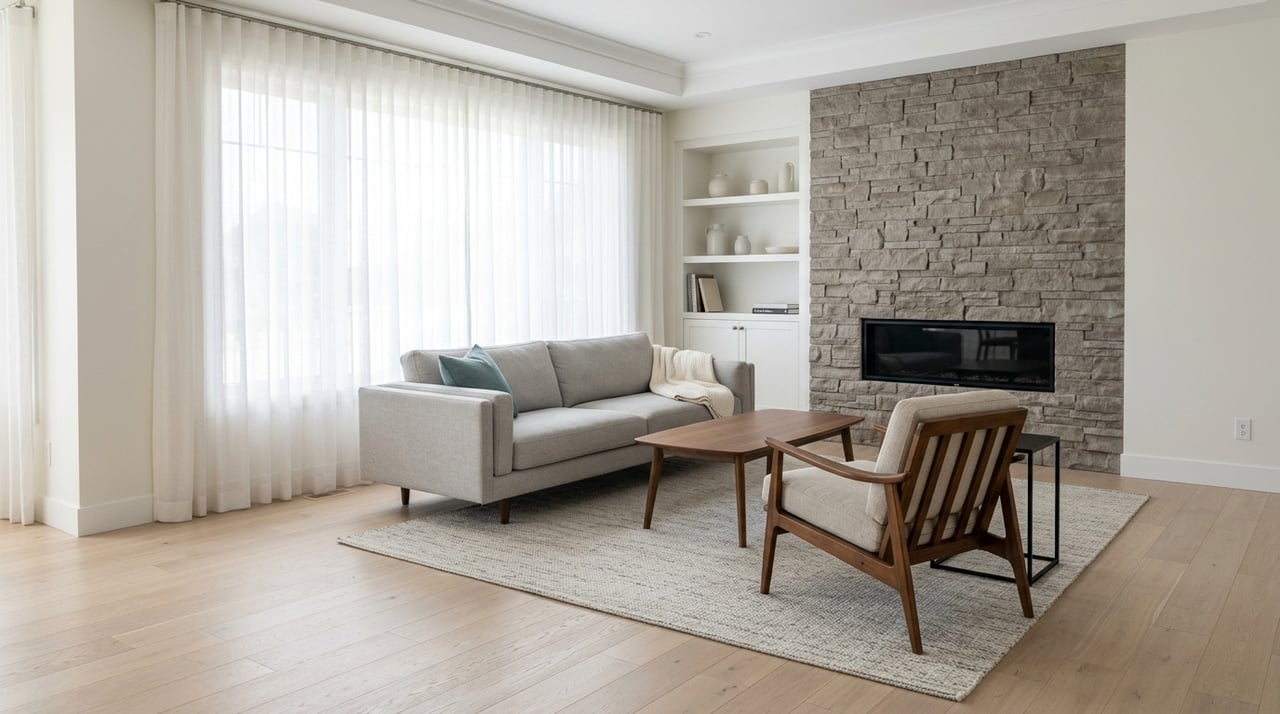
You do not need to erase personality, but you do want to broaden appeal. Neutral paint colors such as beige, gray, or soft white can help rooms feel lighter and more cohesive, especially when paired with older trim, flooring, or masonry.
Keep the palette quiet and let the permanent features do the work. In many historic homes, the best design choice is contrast through texture rather than color. Clean plaster or painted walls, polished wood, simple linens, and restrained accents can make original elements feel intentional and current.
Avoid over-staging
Modern buyers often expect homes to look polished online and in person. NAR reports that about half of agents say buyers expect homes to look professionally staged for television, and 58% said buyers were disappointed when homes they visited did not match what they saw on TV.
That does not mean your home needs a dramatic makeover. It means the presentation should feel edited, consistent, and believable. In a historic home, over-staging can look forced and may distract from the very features buyers came to see.
Improve entry and outdoor spaces
First impressions still matter, even when much of the home’s story unfolds indoors. NAR’s consumer guidance recommends refreshing the entry with a mat, landscape cleanup, and simple potted plants.
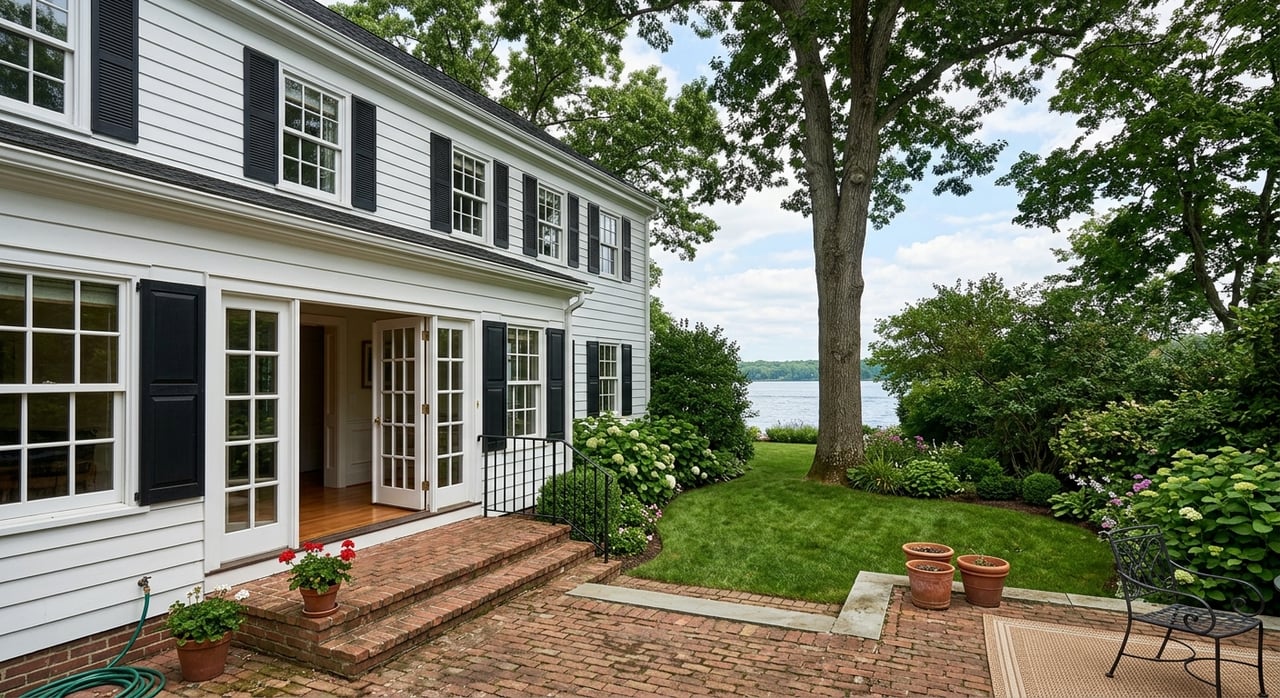
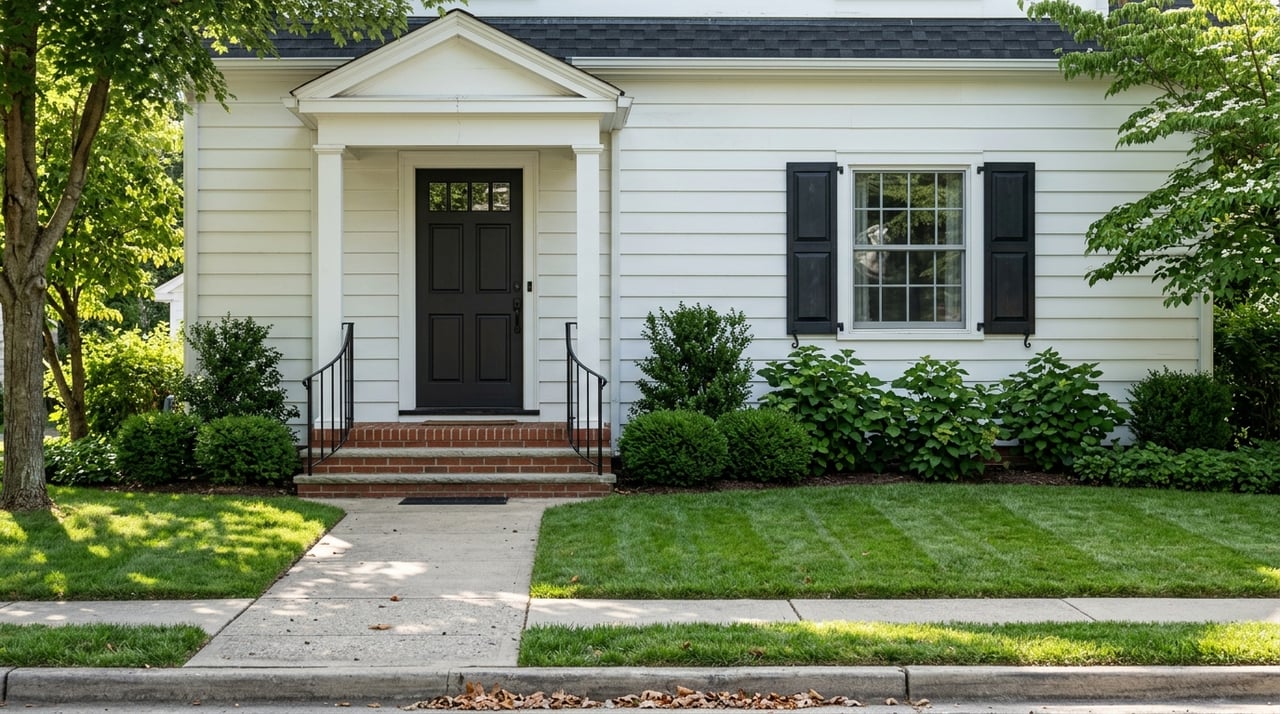
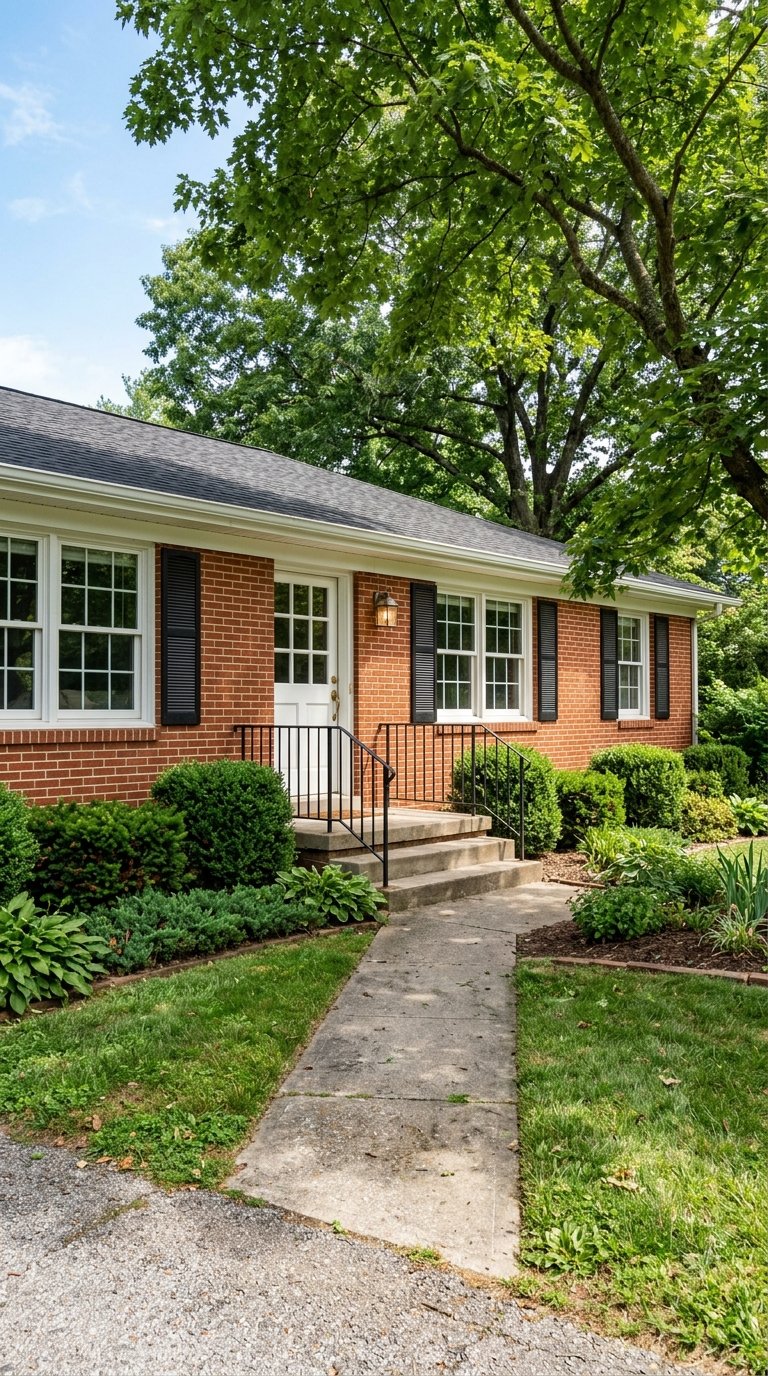
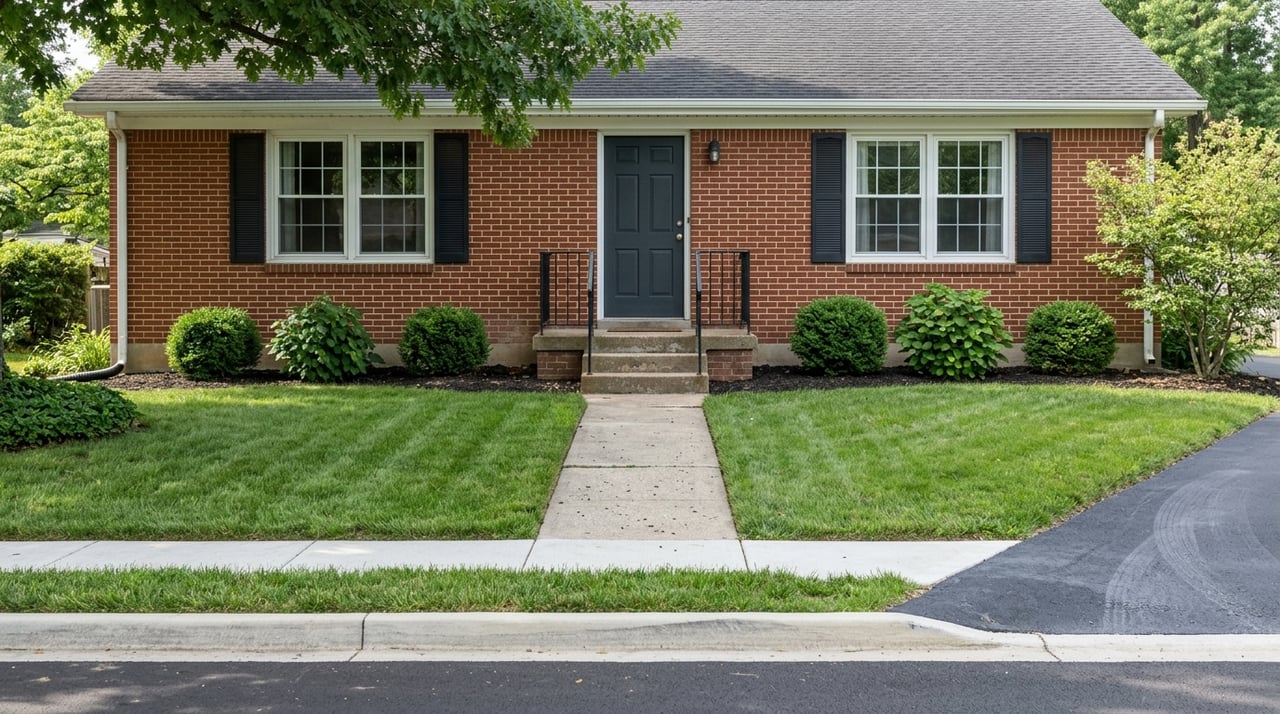
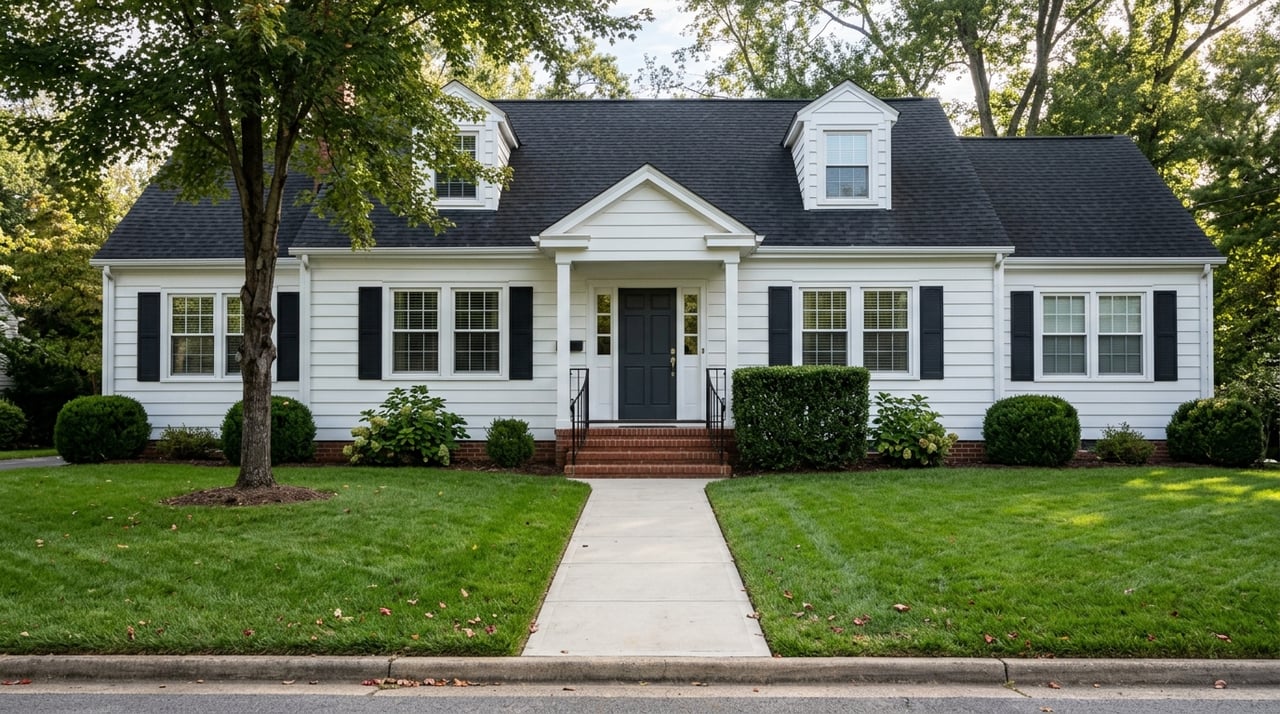
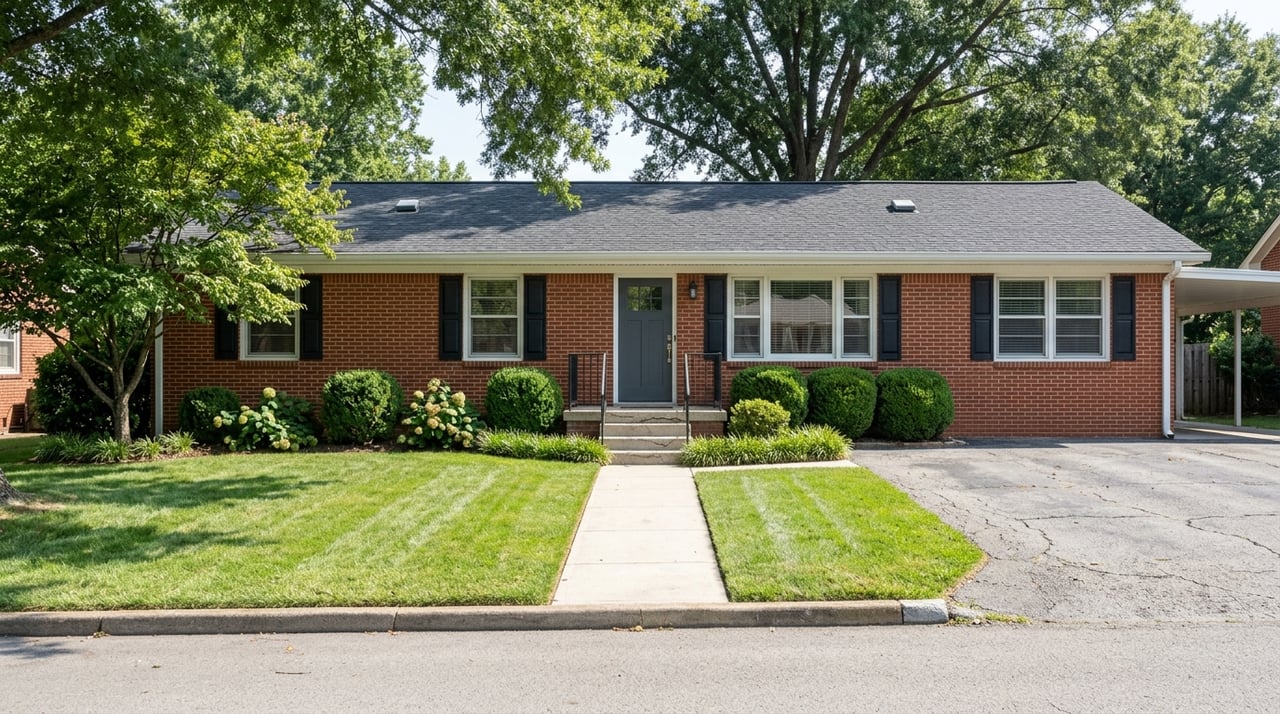
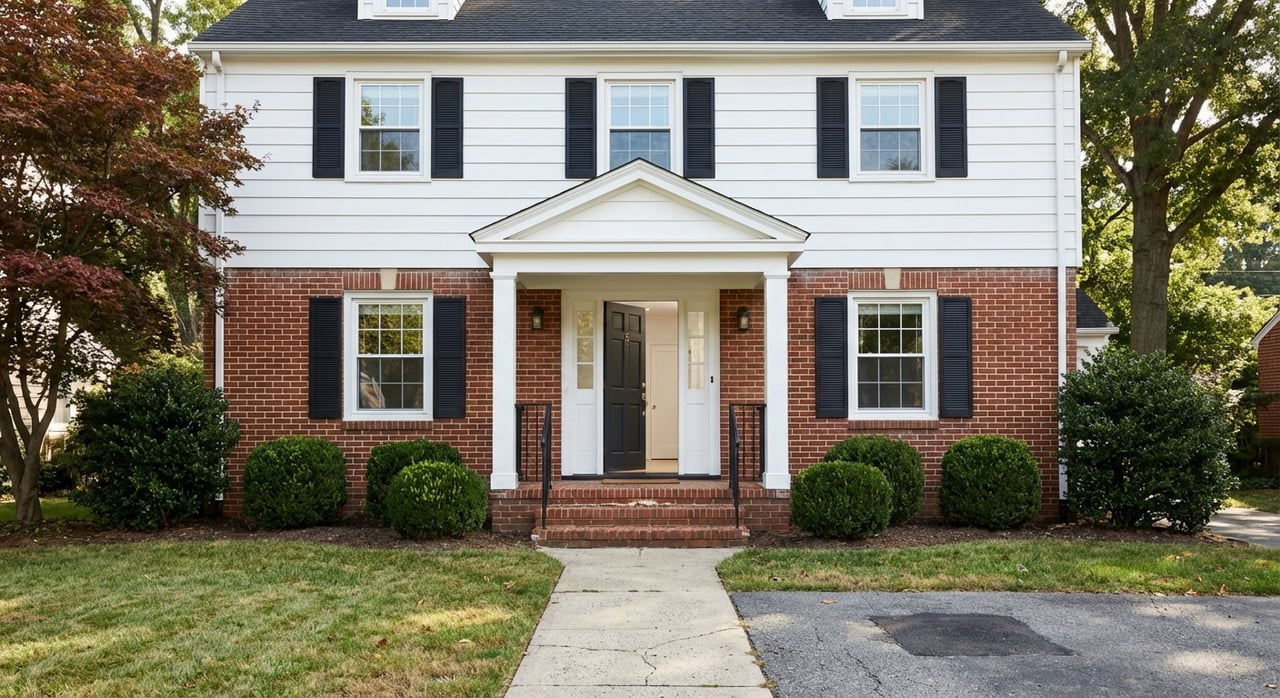
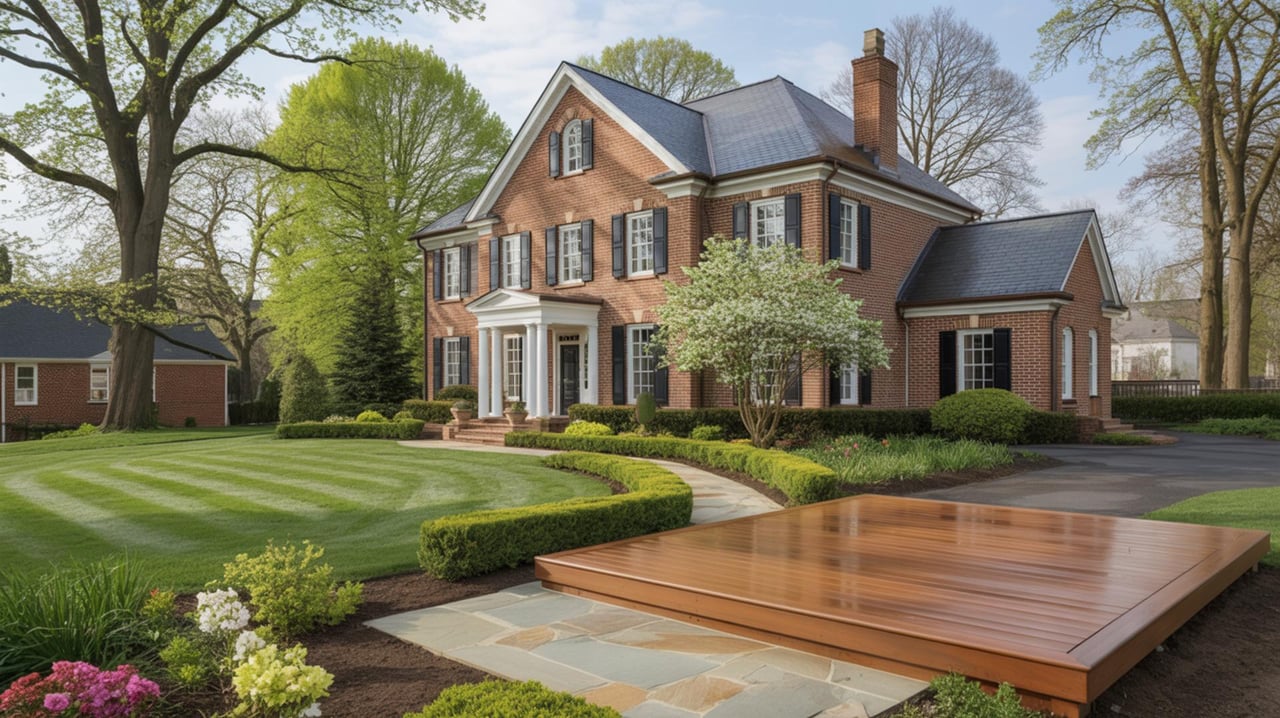
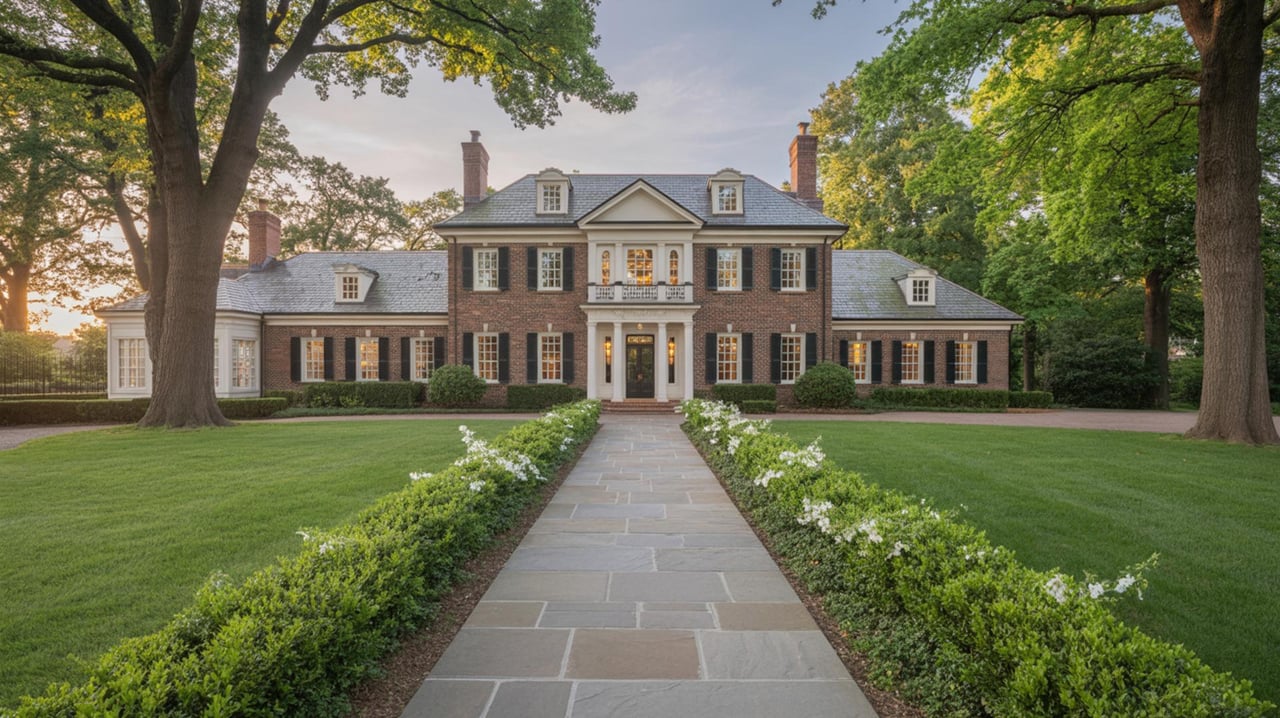
For an Alexandria historic property, a tidy and understated exterior often works better than anything flashy. A clean stoop, maintained railings, trimmed plantings, and a welcoming but simple entry can support the home’s style without competing with it.
If any exterior work involves visible changes to materials or features, check Alexandria’s review requirements before moving forward. It is better to plan early than delay your listing with last-minute corrections.
Stage for photos first
Most buyers start online, so your staging plan should support photography and video from the beginning. NAR’s 2025 findings show that one-third of buyers’ agents said buyers were more willing to tour a staged home they first saw online. Buyers’ agents also identified photos, traditional staging, video tours, and virtual tours as top listing elements.
That means your home does not just need to look good in person. It needs to read clearly on screen. Historic homes can be especially sensitive here because dark finishes, smaller room proportions, and layered details can look busy if the space is not prepared carefully.
Make media feel honest and polished
Strong listing media should highlight your home’s best features without misrepresenting the property. For a historic home, that usually means emphasizing natural light, clear room layouts, accurate proportions, and original details.
Virtual staging can be acceptable, but material photo alterations should be disclosed. A truthful presentation builds trust and helps attract buyers who are genuinely excited about what the home offers.
A strong visual plan should include:
- Clean sightlines in every main room
- Consistent lighting throughout the home
- Minimal decor that photographs well
- Accurate representation of room size and layout
- Close attention to character features in hero images
A simple staging plan for Alexandria sellers
If you want a practical roadmap, keep the process focused and sequential. Historic homes usually show best when decisions are made in the right order, especially if exterior review may apply.
Here is a smart pre-listing sequence based on Alexandria guidance and staging best practices:
- Confirm whether your property is in a local historic district or designated as a One Hundred-Year-Old Building.
- Check city requirements before making exterior changes visible from the public way.
- Preserve and highlight character-defining interior features.
- Declutter, depersonalize, and simplify room layouts.
- Use neutral, quiet finishes that support original details.
- Prioritize the living room, primary bedroom, kitchen, dining room, and outdoor spaces.
- Prepare the home for professional photography and video with a truthful, design-forward presentation.
When done well, staging does more than make a home look attractive. It helps buyers understand the value of a historic property and picture themselves living there.
Historic homes in Alexandria deserve a thoughtful presentation. When you balance preservation, simplicity, and high-quality marketing, you can attract modern buyers without losing the character that makes your home memorable. If you are preparing to sell and want a discreet, design-conscious strategy tailored to your property, connect with North Star Real Estate Group LLC.
FAQs
What is the best way to stage a historic home in Alexandria?
- The best approach is to preserve visible period details, reduce clutter, use neutral finishes, and create a layout that helps buyers appreciate both the home’s character and everyday function.
Do interior staging changes need approval in Alexandria historic districts?
- No. Alexandria states that interior work does not require Board of Architectural Review approval, while certain exterior alterations visible from a public right-of-way may require review.
Which rooms should sellers stage first in a historic Alexandria house?
- Priority rooms typically include the living room, primary bedroom, kitchen, dining room, and outdoor spaces because these are the areas most often emphasized in staging.
Should you repaint a historic Alexandria home before listing it?
- A neutral interior paint refresh can help broaden buyer appeal, but exterior work should be checked carefully because visible changes in regulated historic areas may require city review.
Does staging really help sell an older home?
- Yes. NAR’s 2025 staging research found that staging helps buyers visualize a home, and many real estate professionals reported faster sales and stronger offered value for staged homes.
How should historic Alexandria homes be photographed for listing marketing?
- Listing media should focus on clear sightlines, natural light, accurate room proportions, and original details so the home feels polished, inviting, and truthfully represented online.