If you picture waterfront living as something reserved for vacations or special occasions, Alexandria may surprise you. Along the Potomac, daily life is less about a single scenic moment and more about easy walks, familiar paths, public green space, and the steady rhythm of a connected riverfront district. If you are wondering what it is really like to live near the water here, this guide will help you understand the lifestyle, housing options, and practical tradeoffs that shape everyday waterfront living in Alexandria. Let’s dive in.
What Alexandria waterfront living feels like
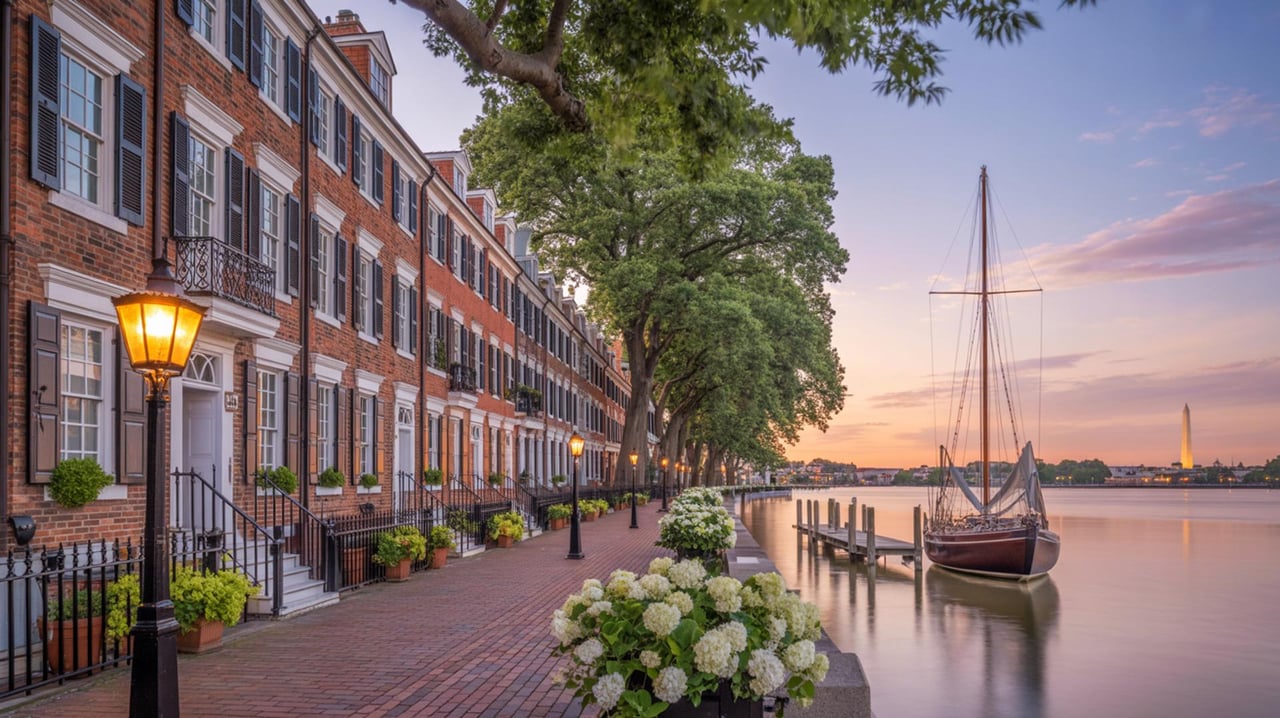
Alexandria’s waterfront works best as a connected district, not just one stretch of shoreline. The City describes Historic Old Town and the waterfront as a place where parks, trails, shops, restaurants, historic sites, and a public marina all come together. That gives you a lifestyle built around movement and access rather than isolation.
In daily life, that often means short walks with a purpose. You might head out for a morning walk along the promenade, sit on a bench at Waterfront Park, or use the riverfront as your regular route instead of saving it for weekends. The area is designed to support repeat use, which is a big part of its appeal.
The waterfront also connects you to more than Alexandria alone. The marina supports sightseeing cruises, charter service, and water taxi connections to Georgetown, Mount Vernon, the Wharf, and National Harbor. For many residents, the river is both a backdrop and a transportation feature that expands how the city feels.
Why the waterfront feels distinct
Part of Alexandria’s waterfront character comes from its long history. Alexandria was founded in 1749 on the banks of the Potomac, and the shoreline changed over time from marshland and industrial use into the scenic district you see today. That layered history still shows up in the street pattern, lot shapes, and overall feel of the area.
The City also notes that early Alexandrians used a process called “banking out” to create deeper waterfront land for larger vessels. In practical terms, that helps explain why some parts of the shoreline feel unusually structured and shaped by human design. You are not just living near the river here. You are living in a place that has been actively formed by the river for centuries.
Housing near the Alexandria waterfront
Historic Old Town homes
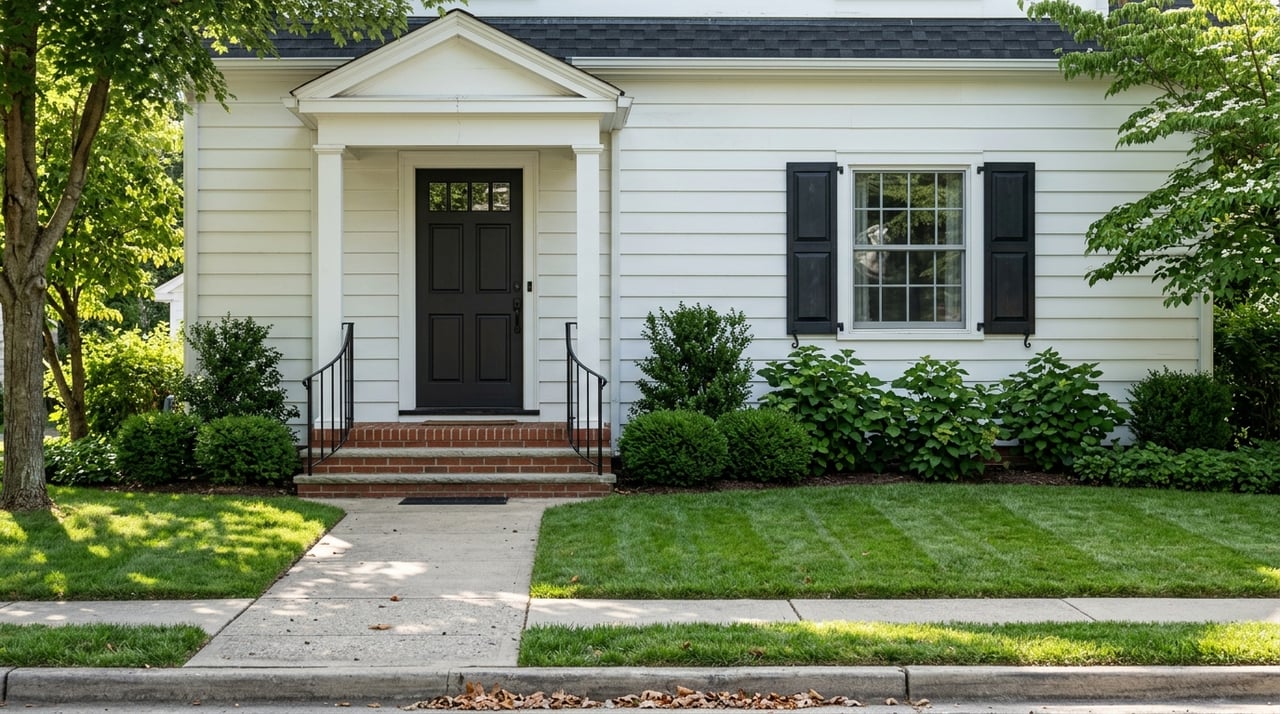
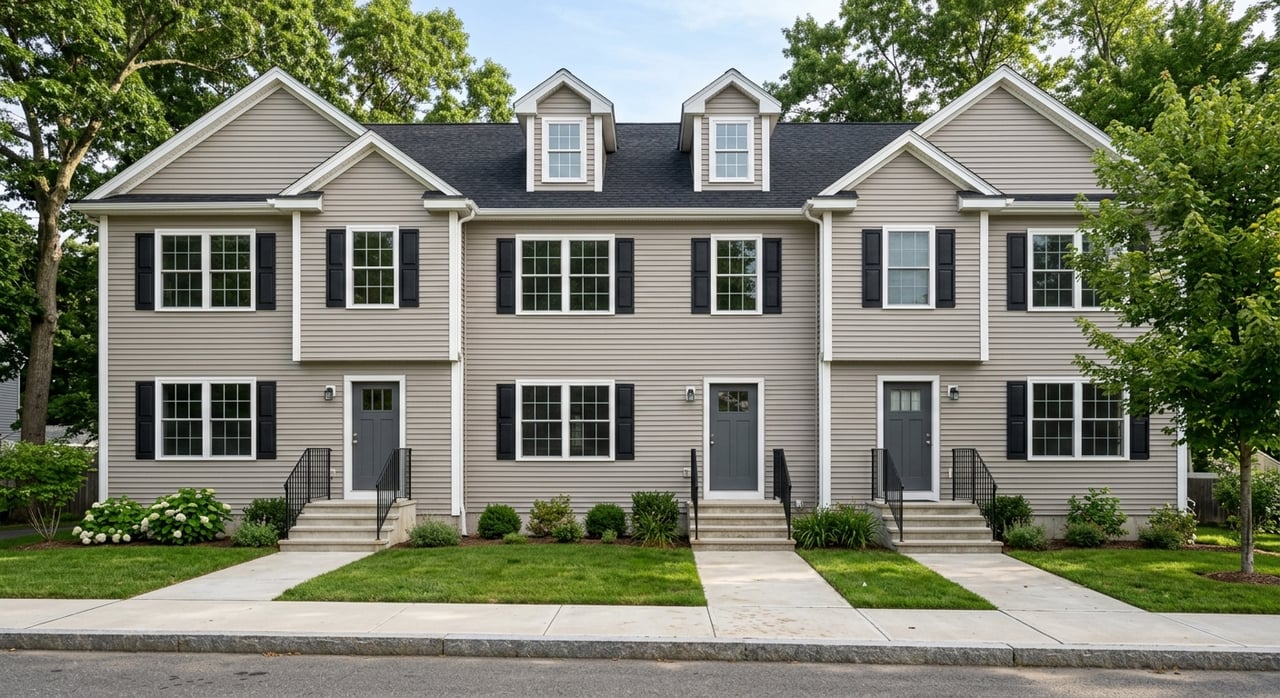
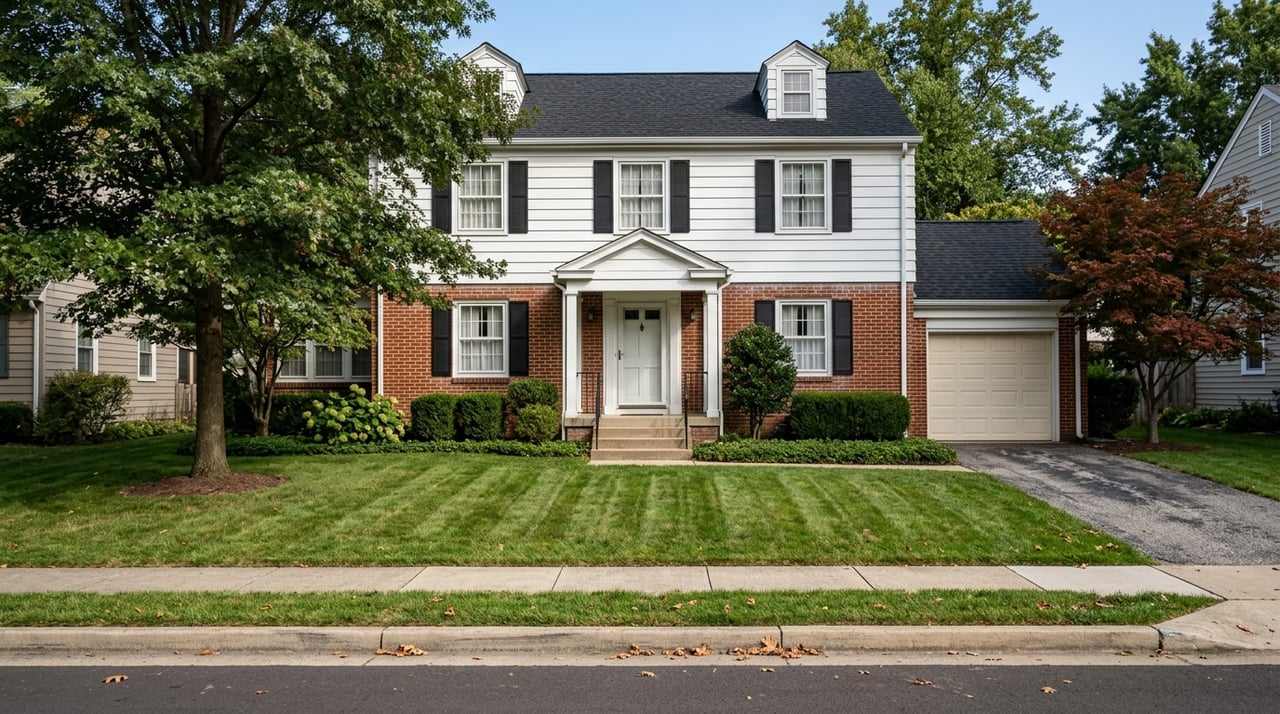
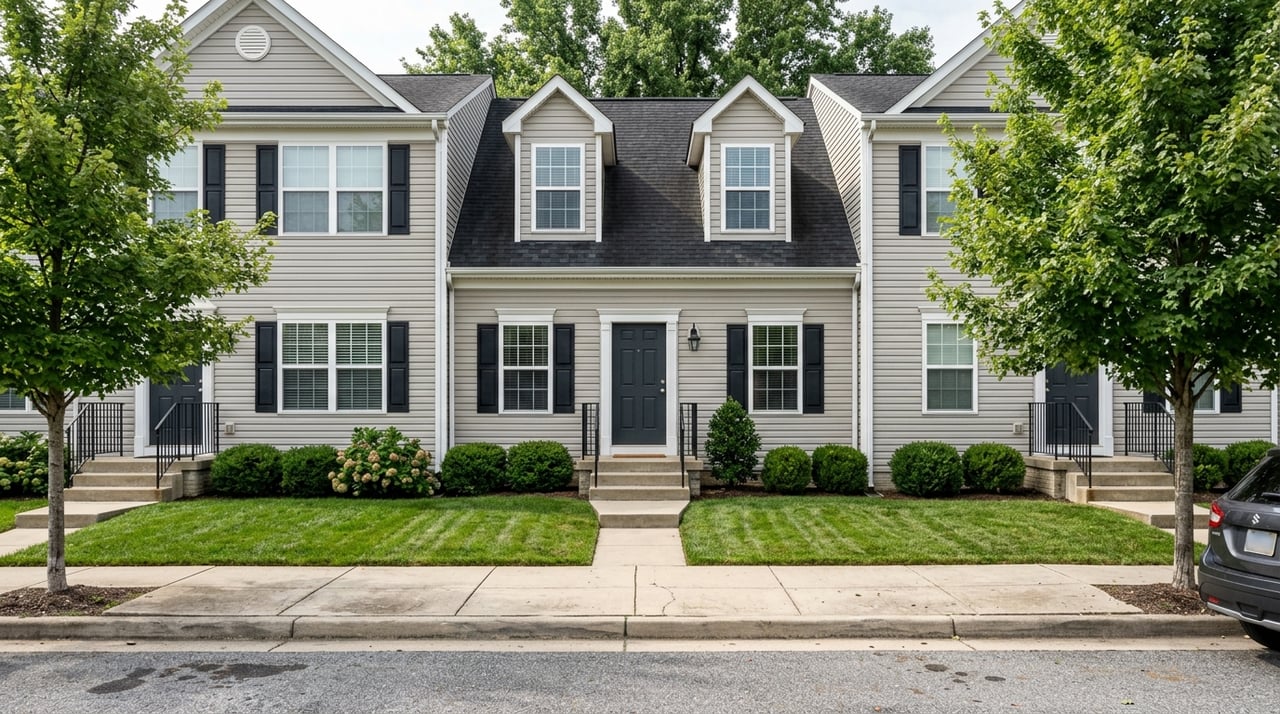
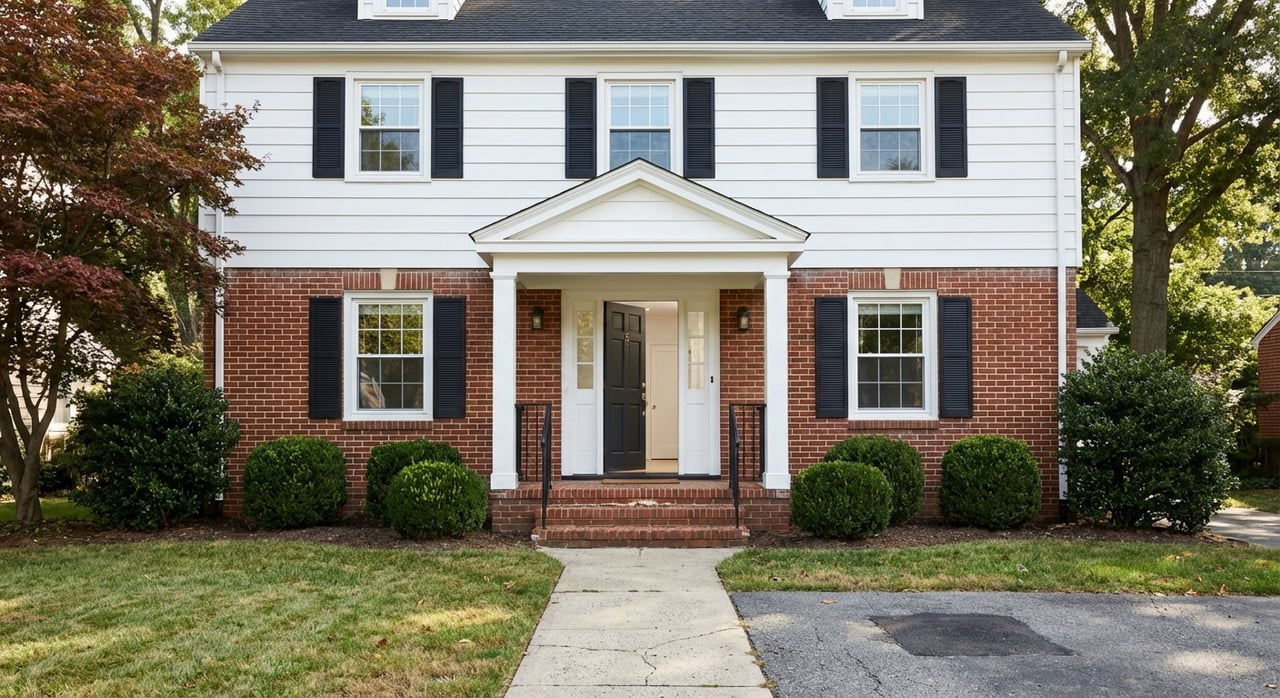
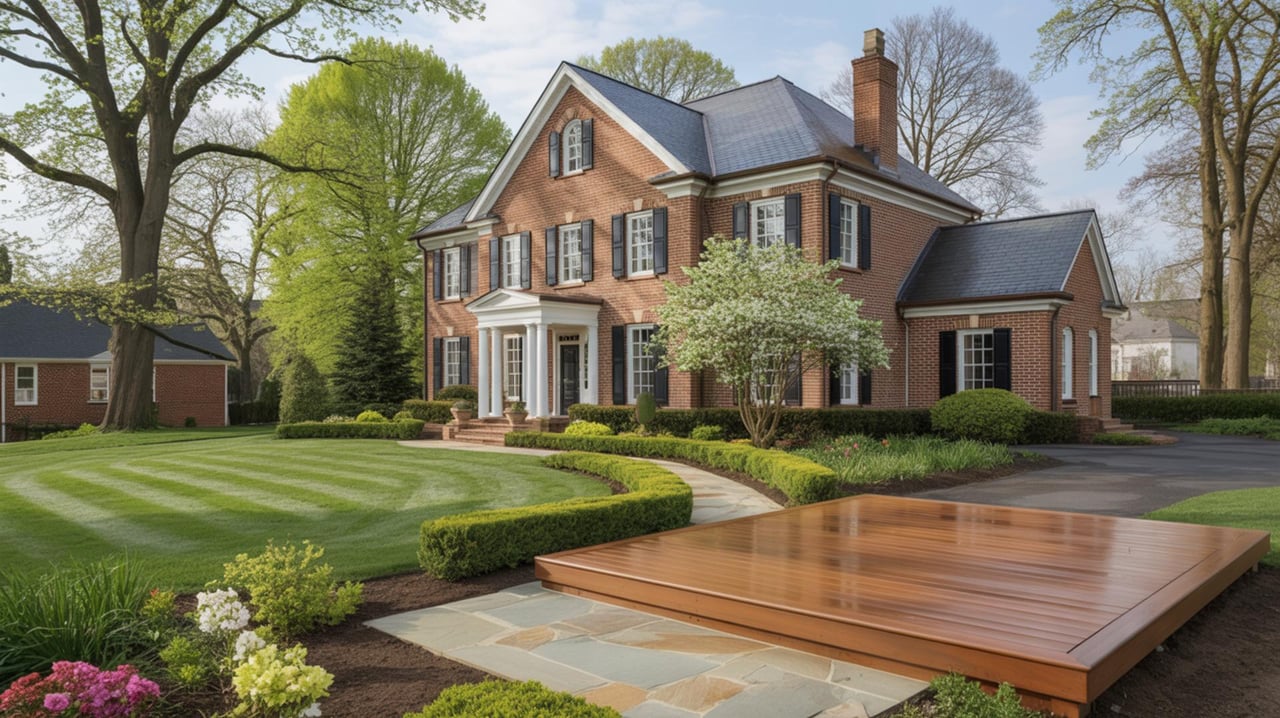
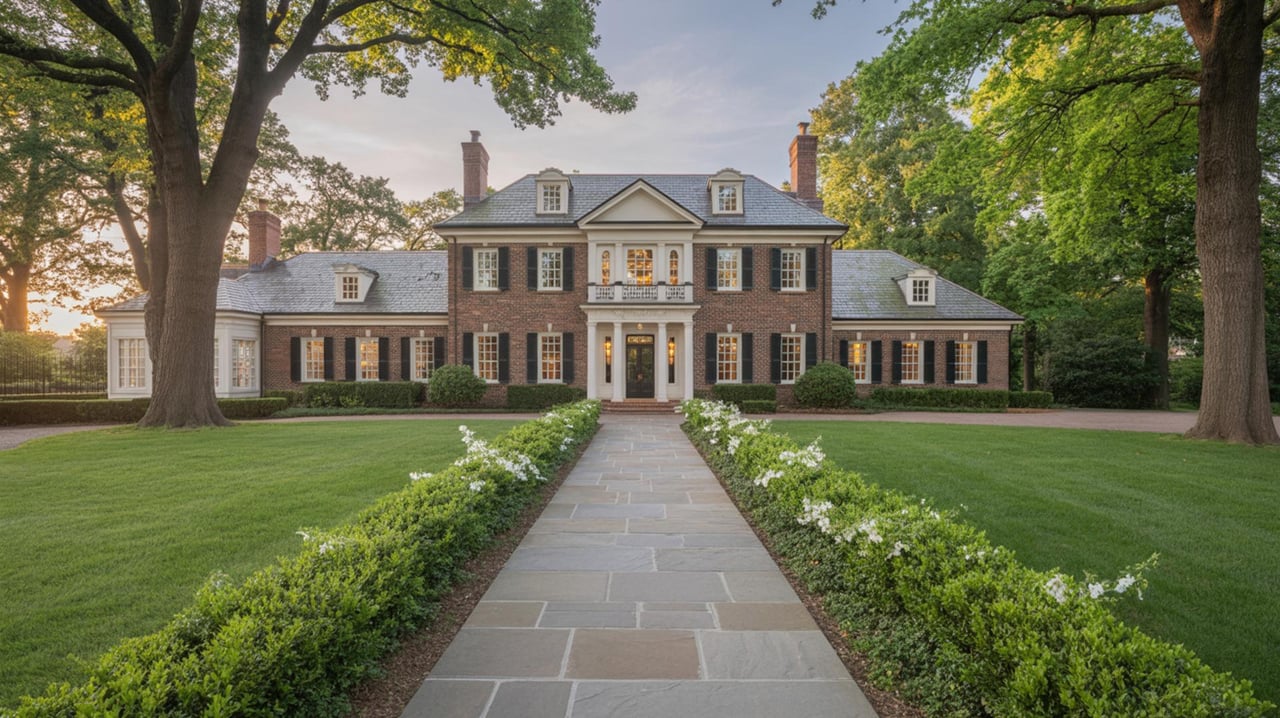
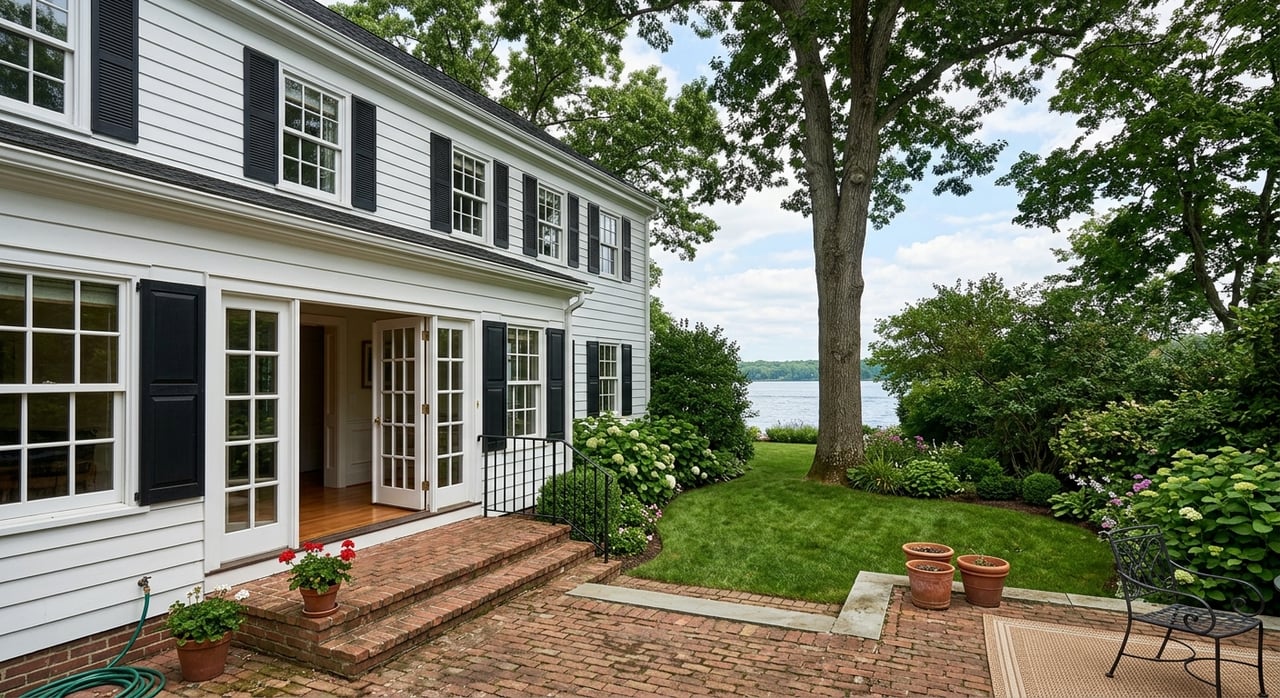
Old Town’s housing stock reflects its historic street grid and narrow urban lots. The City describes right-angle streets oriented to the river, with townhouses built on compact lots and many surviving brick and frame homes in Georgian, Federal, and Greek Revival styles. If you are drawn to classic facades and a true urban-historic setting, this is often the strongest expression of that character.
Living here is not only about having a view. It is also about being part of a neighborhood form that feels established, walkable, and architecturally consistent. That consistency is a major reason many buyers are drawn to the area.
Preservation and owner flexibility
In much of this area, exterior changes are closely regulated. The City says new construction and exterior alterations visible from a public right-of-way in the Old and Historic Alexandria District require a Certificate of Appropriateness from the Board of Architectural Review. That matters if you are buying with renovation plans in mind.
For some owners, this framework is part of the appeal because it helps protect the setting and streetscape. For others, it can feel limiting because changes may take more review and less spontaneity. It is one of the clearest tradeoffs in waterfront-adjacent Old Town living.
Modern riverfront residences
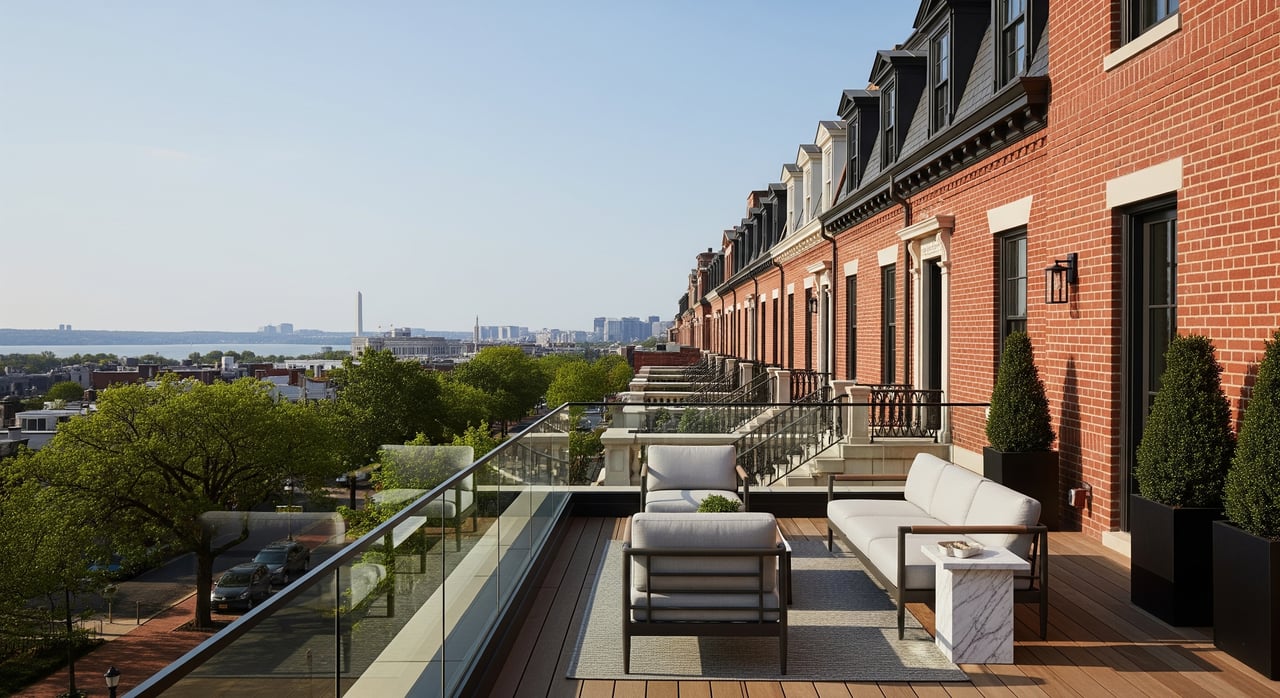
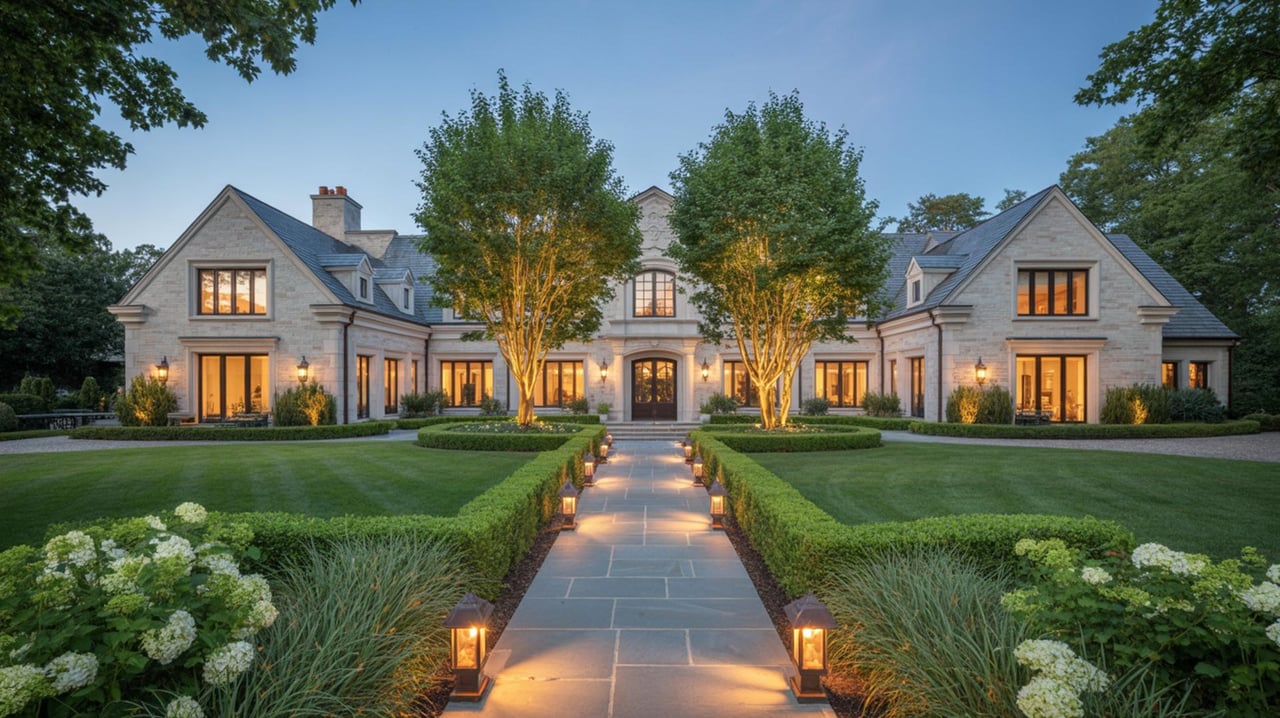
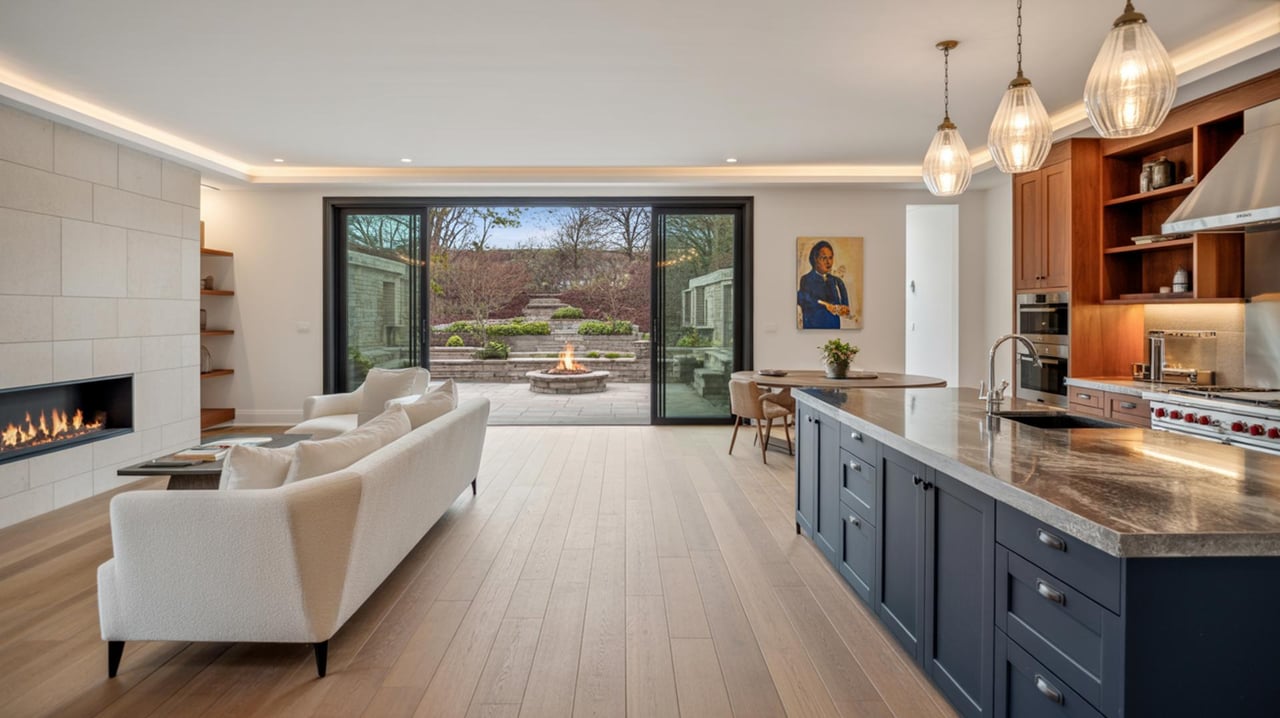
Closer to the river, the housing story becomes more modern and mixed-use. The City says Robinson Landing includes residences, restaurants, and a public walkway along the Potomac. This part of the waterfront offers a more contemporary expression of river living while still staying connected to Old Town’s broader appeal.
Point Lumley Park is designed to extend the promenade and strengthen the connection between Robinson Landing, the shoreline, and the larger waterfront system. If you want newer surroundings and easy access to public open space, this area may feel more aligned with your lifestyle.
Old Town North living
Just north of the traditional waterfront core, Old Town North offers another version of waterfront-adjacent living. The City describes it as desirable for walkability, proximity to the waterfront, public amenities, arts and cultural uses, and its connection to Old Town. The planning framework also emphasizes more housing, pedestrian connections, and a broader mix of uses.
In simple terms, Old Town North tends to feel more contemporary and mixed-use than the historic core. You still benefit from river proximity, but the overall experience can feel less tied to preservation and more tied to everyday convenience.
Daily convenience and mobility
One of the strengths of Alexandria waterfront living is that it can be convenient without requiring you to drive everywhere. The free King Street Trolley runs between King Street-Old Town Metro and City Hall and Market Square every 15 minutes from 11 a.m. to 11 p.m. That gives you an easy connection between transit and the heart of Old Town.
The Mount Vernon Trail adds another layer of access. It runs 5.6 miles through Alexandria along the river and links the waterfront to larger regional trail networks. If walking, biking, or simply having open-air access matters to you, that is a meaningful quality-of-life feature.
Parking and public activity
Convenience near the waterfront comes with a more public environment. The City created residential permit parking districts because parking demand is especially high in Old Town and near Metrorail stations. On-street parking in Old Town is generally limited to two or three hours, which can make everyday car storage less simple than in more car-oriented neighborhoods.
The waterfront core also sees more visitor activity. The City permanently pedestrianized parts of King Street and Strand Street to create a more active pedestrian experience, and during major events it warns that garages and street parking can fill quickly. If you live very close to the riverfront activity zone, you are likely sharing that energy with diners, visitors, and event crowds.
Flooding is part of the equation
Waterfront living in Alexandria also comes with an important practical reality: flood exposure. The City says waterfront properties can face tidal, wind-driven, storm-surge, and flash flooding during heavy rain, strong winds, or quick snow melts. That is not a side detail. It is a core part of evaluating the area.
Alexandria has responded with sandbag and mitigation programs, and the Waterfront Flood Mitigation Project is designed to reduce disruptions and protect the historic waterfront from increasingly frequent and severe flooding. For buyers, this means the lifestyle benefits are real, but so is the need to understand how a specific location relates to flood conditions and resilience efforts.
The waterfront changes with the seasons
Summer on the river
Summer brings the most visible waterfront energy. The City describes ALX Jazz Fest as a three-day live music celebration at Waterfront Park, and Sails on the Potomac adds ship tours, public art, educational programming, family activities, and after-hours receptions overlooking the water. These events reinforce the waterfront as a civic gathering place, not just a scenic edge.
If you enjoy living where public life happens, that can be a major advantage. If you prefer a quieter day-to-day setting, it is worth thinking carefully about how close you want to be to the busiest event blocks.
Winter and year-round activity
The riverfront does not go quiet when temperatures drop. Alexandria’s Holiday Tree Lighting takes place in the heart of Old Town just blocks from the Potomac, and the Holiday Boat Parade of Lights brings illuminated boats along a mile of shoreline at Waterfront Park. The waterfront remains active as a public destination across seasons.
Waterfront Park also hosts smaller sponsored events throughout the year, and the city’s public art programming regularly uses the waterfront as an exhibition site. In other words, the riverfront is not a once-a-year attraction. It is part of Alexandria’s ongoing civic life.
Choosing the right version of waterfront life
A helpful way to think about Alexandria’s waterfront is as a spectrum. The historic Old Town core offers the strongest sense of place, but it also tends to come with tighter exterior review, more visitor traffic, and more parking friction. The redeveloped river-edge areas offer a newer setting with promenades and public open space.
Old Town North adds yet another option with a more contemporary mixed-use feel and strong walkability. The right fit depends on what matters most to you: historic character, everyday convenience, a more modern setting, or a little more separation from the busiest blocks.
That is often the real decision. It is usually not whether Alexandria waterfront living is appealing. It is which version of that lifestyle best matches how you want to live.
If you are exploring waterfront homes in Alexandria and want a more tailored, private approach to your search or sale, North Star Real Estate Group LLC can help you navigate the options with discretion, clarity, and local perspective.
FAQs
What is everyday waterfront living like in Alexandria, Virginia?
- Everyday waterfront living in Alexandria is centered on walkability, public parks, promenade access, river views, trails, dining, and year-round events across a connected waterfront district.
What types of homes are near the Alexandria waterfront?
- Waterfront-adjacent housing includes historic townhomes on narrow lots in Old Town, more modern mixed-use residences near Robinson Landing, and contemporary housing options in Old Town North.
What should buyers know about historic homes in Old Town Alexandria?
- Buyers should know that many properties are in the Old and Historic Alexandria District, where exterior changes visible from a public right-of-way may require approval from the Board of Architectural Review.
Is parking difficult near the Alexandria waterfront?
- Parking can be more limited near the waterfront because demand is high in Old Town, residential permit districts are in place, and on-street parking is generally restricted to short time limits.
Is flooding a concern for Alexandria waterfront properties?
- Yes. The City says waterfront properties can face tidal, wind-driven, storm-surge, and flash flooding, and it operates mitigation programs while advancing a larger Waterfront Flood Mitigation Project.
Does the Alexandria waterfront stay active year-round?
- Yes. The waterfront hosts major summer events like ALX Jazz Fest, winter traditions like the Holiday Boat Parade of Lights, and smaller events and public art programming throughout the year.