If you want a Northern Virginia suburb that balances everyday convenience, strong commuter options, and established neighborhoods, Springfield deserves a closer look. Moving to a new area is not just about square footage or a commute time. It is about how your days will actually feel once you live there. This guide will help you understand what it is like to live in Springfield, Virginia, from housing and transportation to parks, shopping, and the overall pace of life. Let’s dive in.
Springfield at a Glance
Springfield feels like an established Fairfax County suburb with a busy commercial core and a surrounding mix of older residential neighborhoods. Fairfax County planning materials describe it as a commercial center that is evolving into a more mixed-use, accessible, and interconnected place. That helps explain why Springfield can feel suburban in one part of town and more transit-oriented in another.
The numbers support that picture. The Springfield CDP has 31,339 residents, and 66.0% of homes are owner-occupied. Census data also shows a median owner value of $640,300, a median gross rent of $2,656, and an average household size of 2.96 people.
Springfield is also a diverse and established community. About 40.2% of residents are foreign-born, and 54.8% of people age 5 and older speak a language other than English at home. Nearly half of adults age 25 and older hold a bachelor’s degree or higher, and 21.9% of residents are age 65 and older.
Daily Life in Springfield
For many residents, Springfield is practical in the best sense of the word. You can handle errands, shopping, dining, and commuting without needing to go far. It is not a boutique main-street town, but it does offer a lot of day-to-day convenience in a relatively concentrated area.
That convenience shows up most clearly around Springfield Town Center and the transit hub nearby. Instead of small-scale retail spread evenly across the community, much of Springfield’s activity is centered in a few major destinations. For many buyers, that makes life simpler and more efficient.
Shopping and Dining Options
Springfield Town Center is the area’s main retail and entertainment anchor. It includes major stores and attractions such as Target, Macy’s, Dick’s Sporting Goods, Regal Cinemas, LA Fitness, Dave & Buster’s, Nordstrom Rack, Burlington, and LEGO Discovery Center. Dining options there include Yard House, Maggiano’s Little Italy, Chuy’s, Nando’s Peri Peri, Maggie McFly’s, 54 Restaurant, and Mezeh Mediterranean Grill.
In real life, that means many of your errands and casual outings can happen in one general area. If you value convenience and like having multiple shopping and dining choices nearby, Springfield has a lot to offer. The tradeoff is that the area feels more like a suburban hub than a traditional walkable downtown.
Getting Around Springfield
One of Springfield’s biggest strengths is transportation. If your routine includes commuting into other parts of Northern Virginia or the broader Washington region, Springfield stands out as one of the stronger suburban transit nodes in the area.
Transit Connections
WMATA’s Franconia-Springfield station sits on the Blue Line and connects with Metrobus and Fairfax Connector service. The station also includes parking, bike racks, and Wi-Fi. For rail commuters, the Franconia-Springfield VRE station is on the Fredericksburg Line, and Springfield also has a second VRE stop at Backlick Road on the Manassas Line.
The Joe Alexander Transportation Center brings together Metrorail, VRE, Metrobus, Fairfax Connector, and intercity coach service. Fairfax County also opened the Springfield CBC Commuter Parking Garage in September 2024 as a multimodal facility with commuter parking, carpool accommodations, bicycle and pedestrian facilities, and public amenities.
Driving and Park-and-Ride Access
Springfield is also well-positioned for drivers. County materials highlight access to the I-95, I-395, and I-495 corridor, which is a major advantage if you travel by car for work or regional errands. The Franconia-Springfield park-and-ride includes 5,069 spaces, giving commuters another practical option.
If you are comparing suburbs, this is one of the clearest reasons Springfield appeals to many buyers. It offers a hybrid lifestyle where transit is meaningful, but car access still plays a major role in everyday life.
Is Springfield Walkable?
Springfield is best understood as a suburban, transit-and-car hybrid. The strongest walkability is concentrated near the town center and transit station. Fairfax County planning documents also call for pedestrian-priority corridors, plazas, urban parks, and safer bicycle connections in the Springfield CBC and TSA, which suggests continued improvement in those areas.
Outside the core, the community still functions much more like a traditional suburb. That means your experience will depend a lot on where you live. If being close to shops, transit, and services matters to you, location within Springfield matters just as much as location within Fairfax County.
Parks and Outdoor Recreation
Springfield offers a strong mix of outdoor and recreational amenities, and that is a big part of its everyday appeal. You do not have to leave the area to find trails, playgrounds, fitness options, or nature-focused spaces.
Lake Accotink Park
Lake Accotink Park is Springfield’s signature outdoor destination. Fairfax County says the park covers 449 acres and centers on a 55-acre lake. It includes hiking and biking trails, shoreline fishing, seasonal bike, canoe, and paddleboat rentals, tour boat rides, a 9-hole miniature golf course, a historic carousel, playgrounds, picnic areas, and community events.
This is the kind of amenity that adds real quality to daily life. It serves both as a destination park and as a nearby outdoor option for residents who want an easy way to spend time outside.
Hidden Pond and South Run
Hidden Pond Nature Center offers a quieter experience with native wildlife displays, trails, a visitor center, a picnic shelter, and a playground. It is a useful option if you want a more nature-focused setting close to home.
For more active recreation, South Run Rec Center offers aquatics, fitness centers, indoor courts, gyms, tracks, classes, camps, and Go Ape’s aerial adventure course. Springfield also connects to the Gerry Connolly Cross County Trail, which Fairfax County describes as its primary north-south trail and notes is connected to the Franconia-Springfield Metro station.
Neighborhood Parks
Smaller parks also shape the feel of the community. County planning materials identify places like Springfield Forest Park and Springvale Park, which include features such as playgrounds, tennis courts, and picnic tables. These local amenities often matter just as much as the larger destination parks because they support everyday routines close to home.
Housing in Springfield
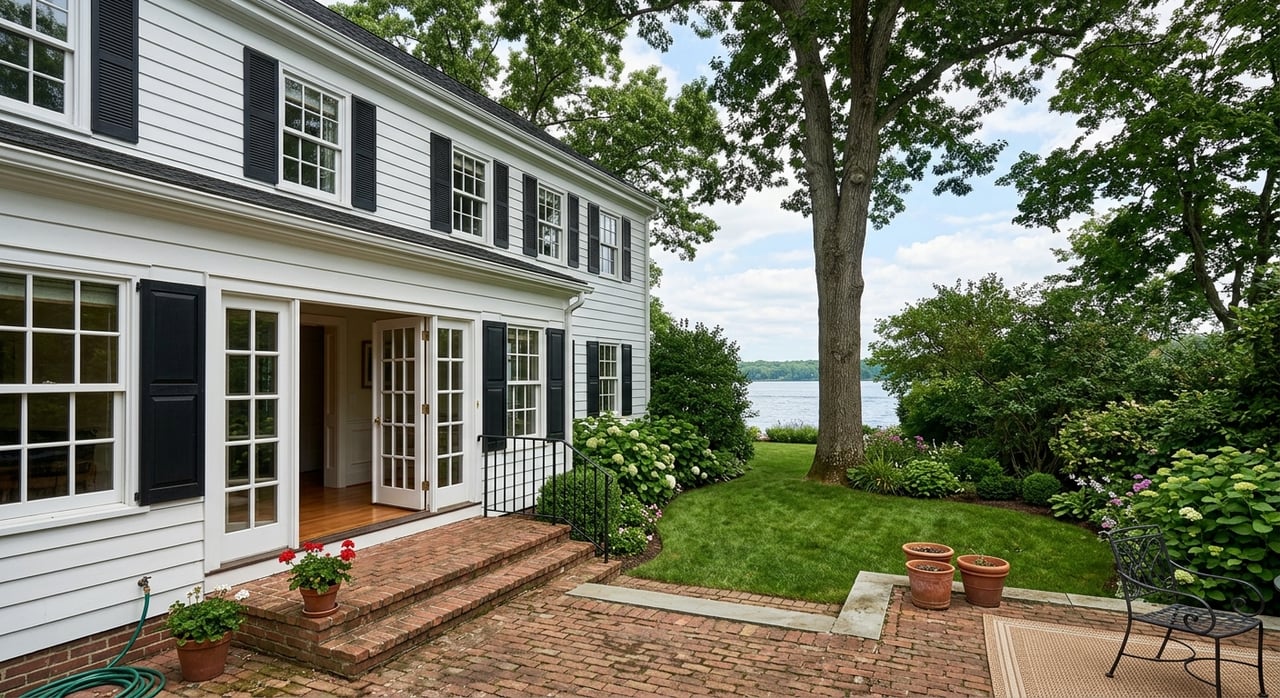
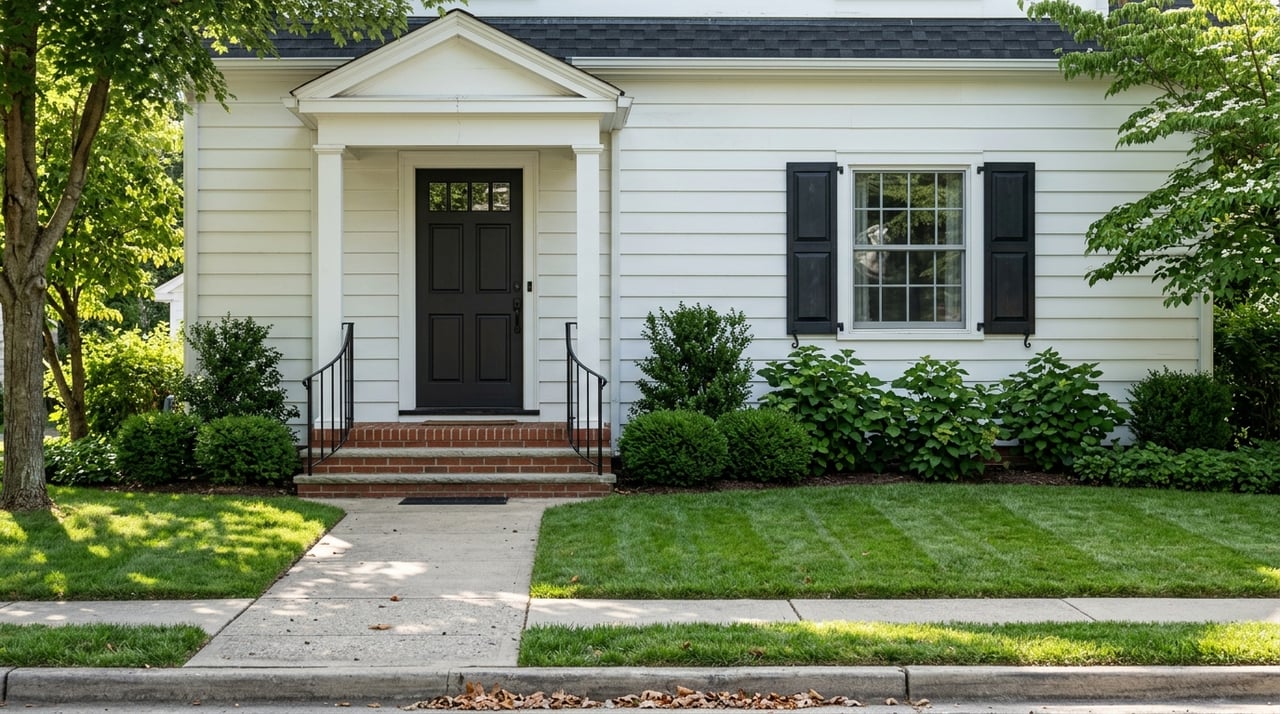
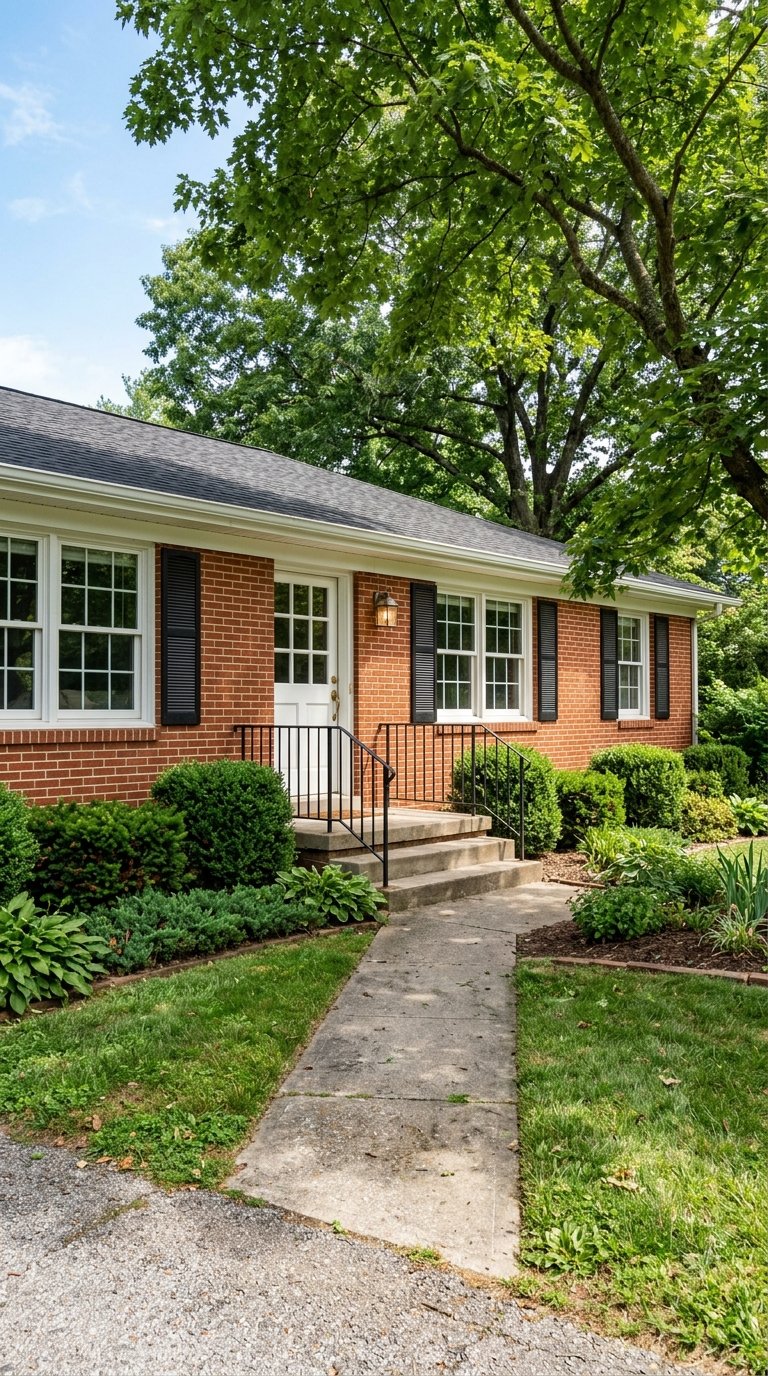
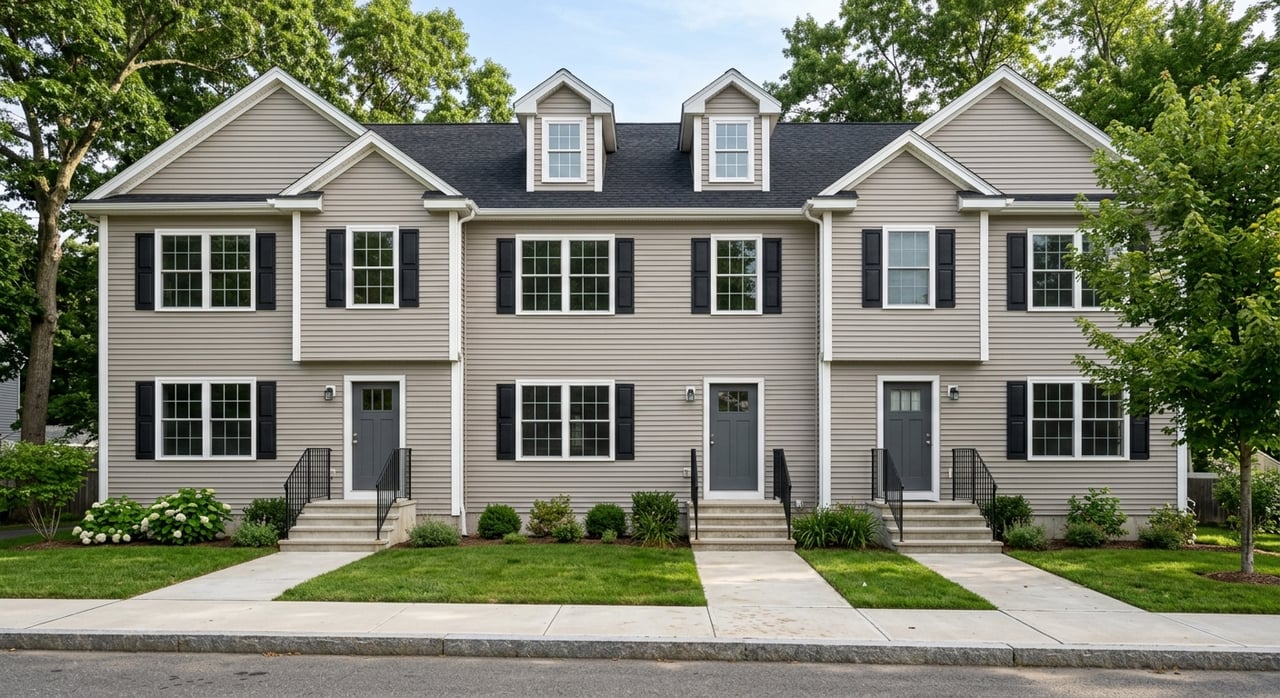
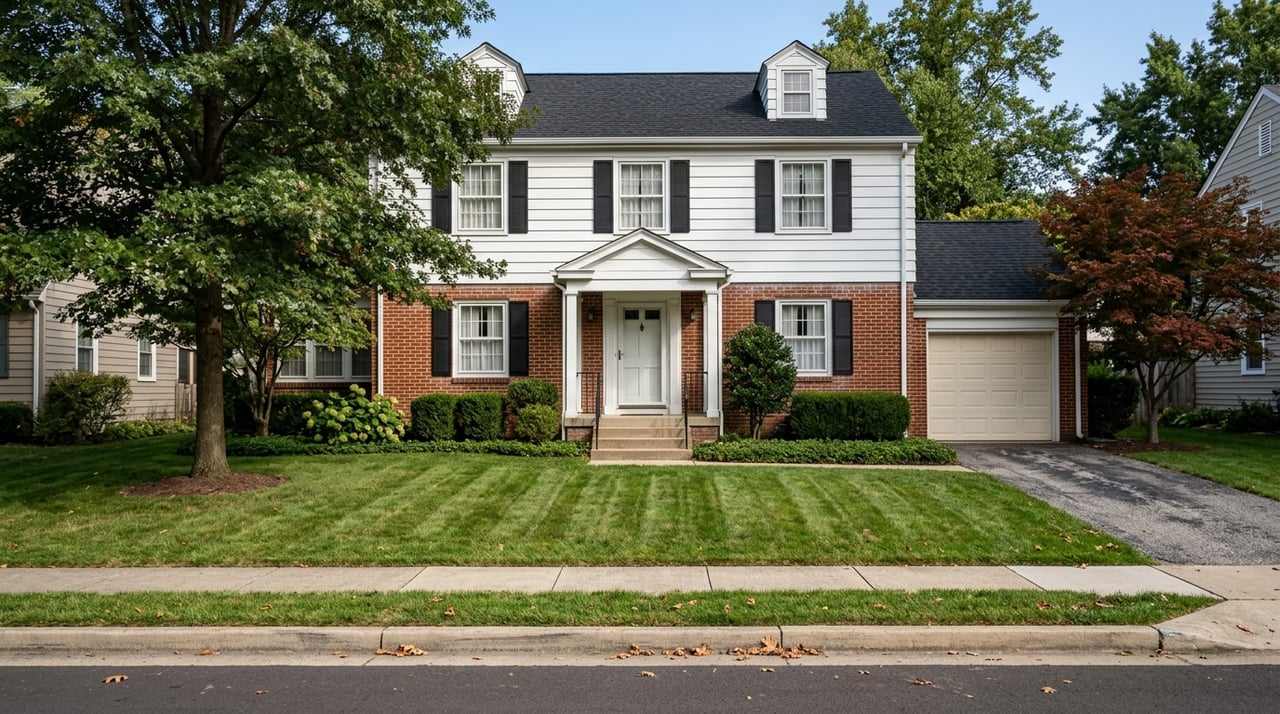
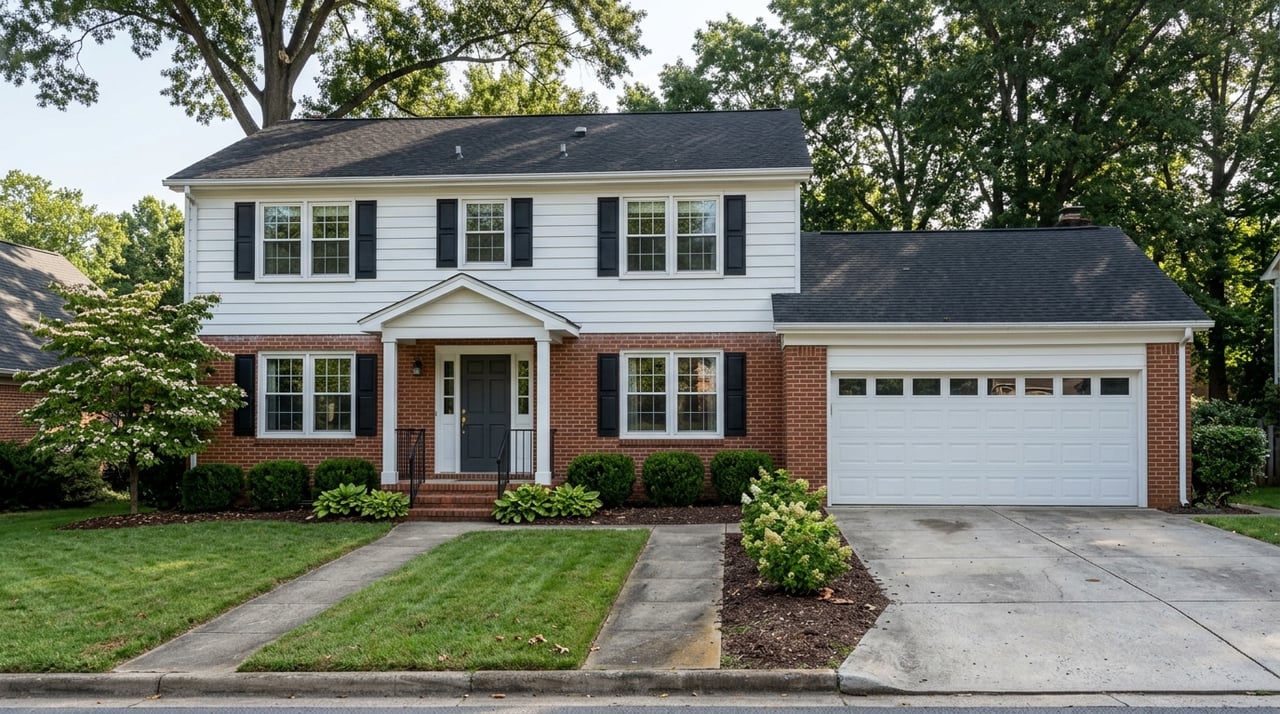
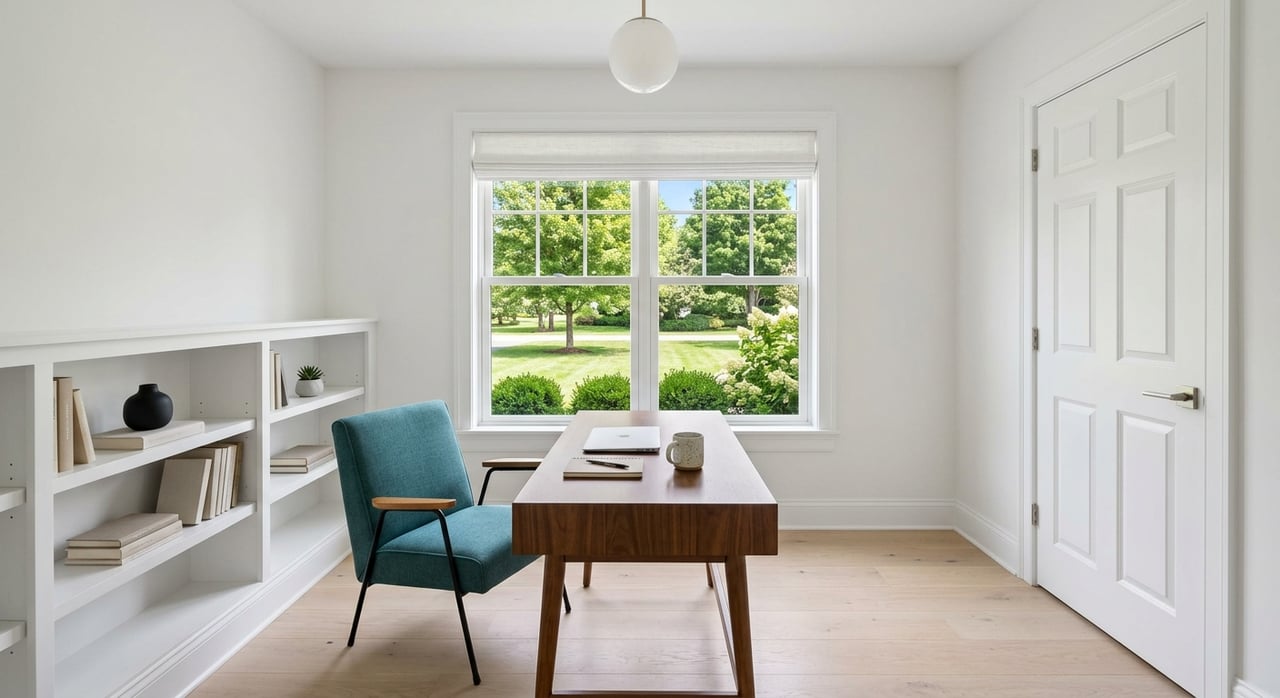
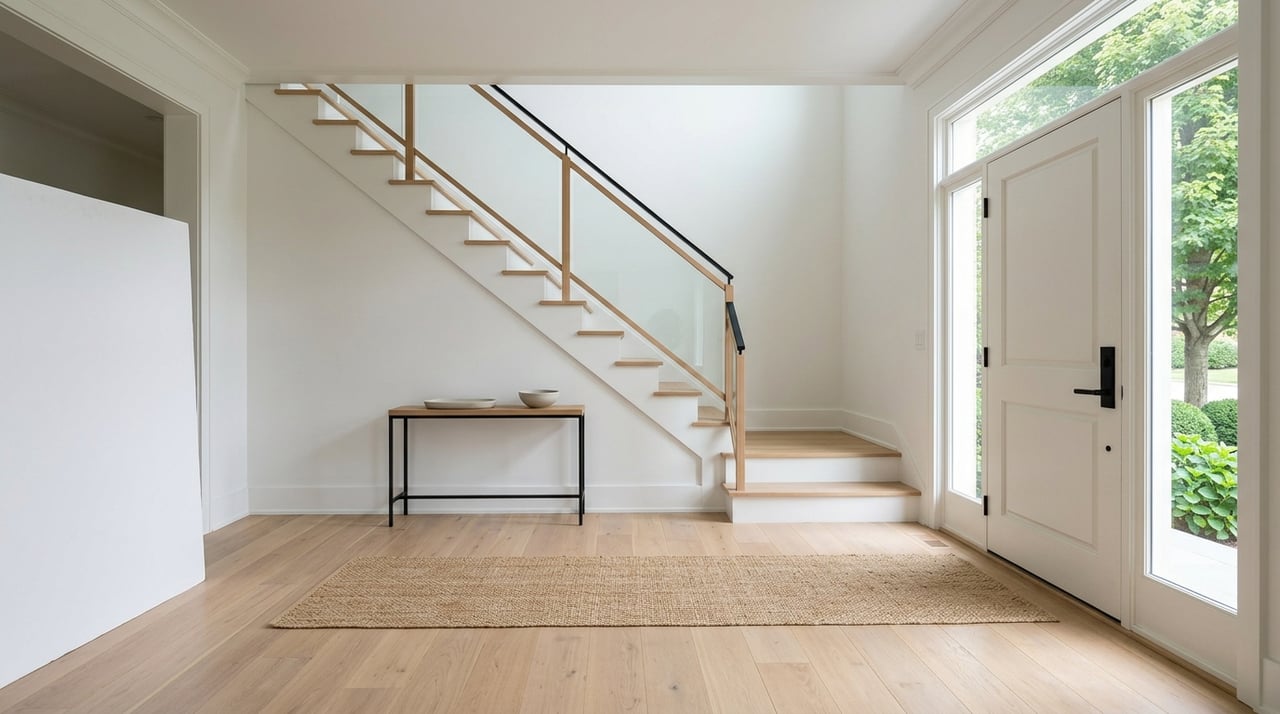
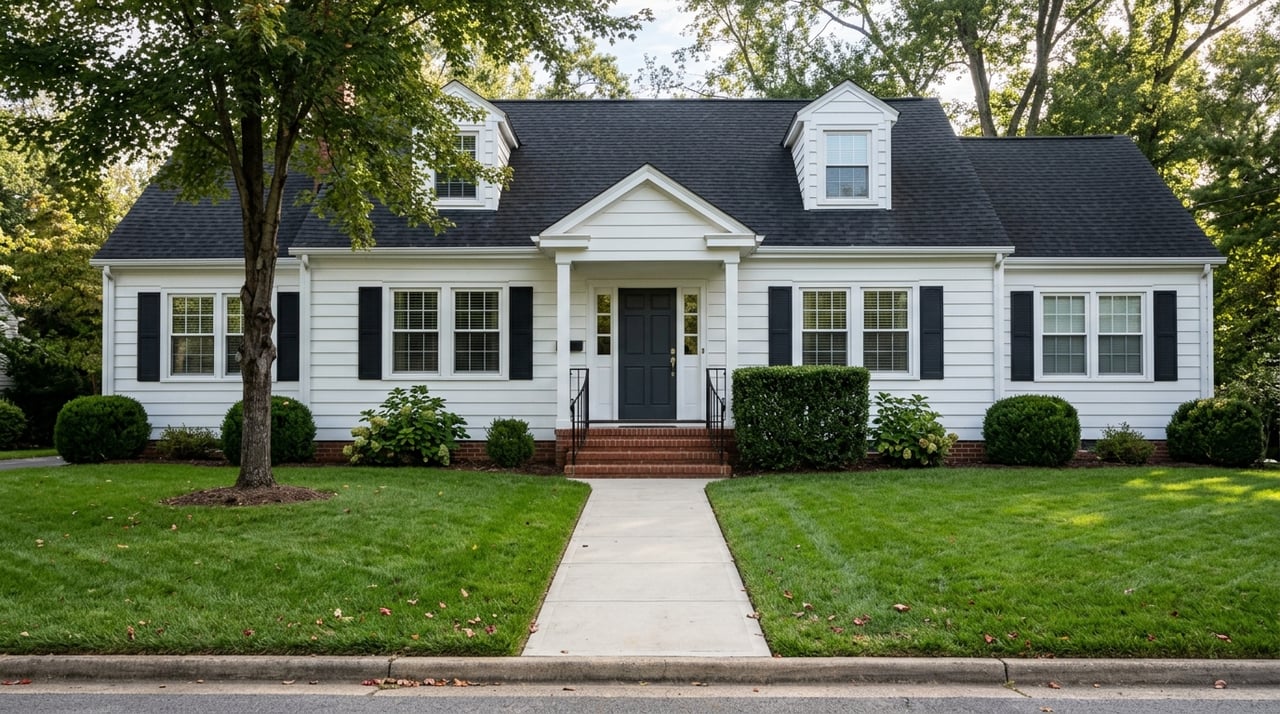
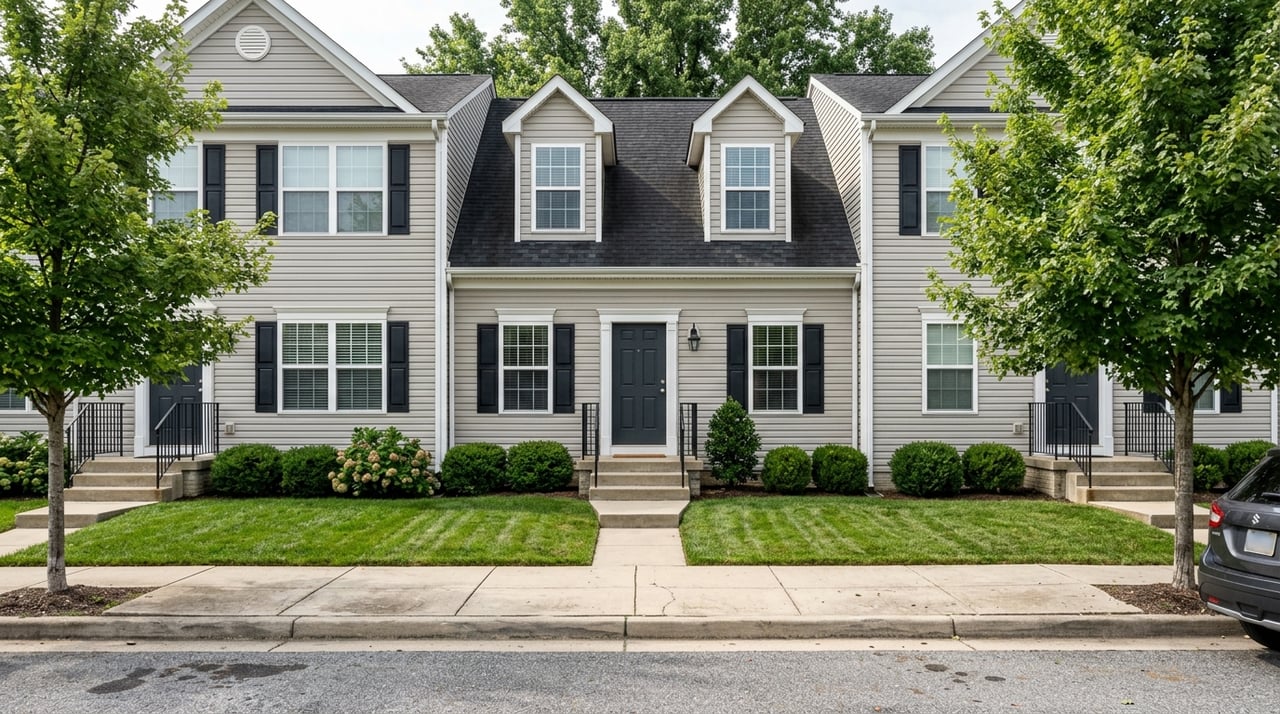
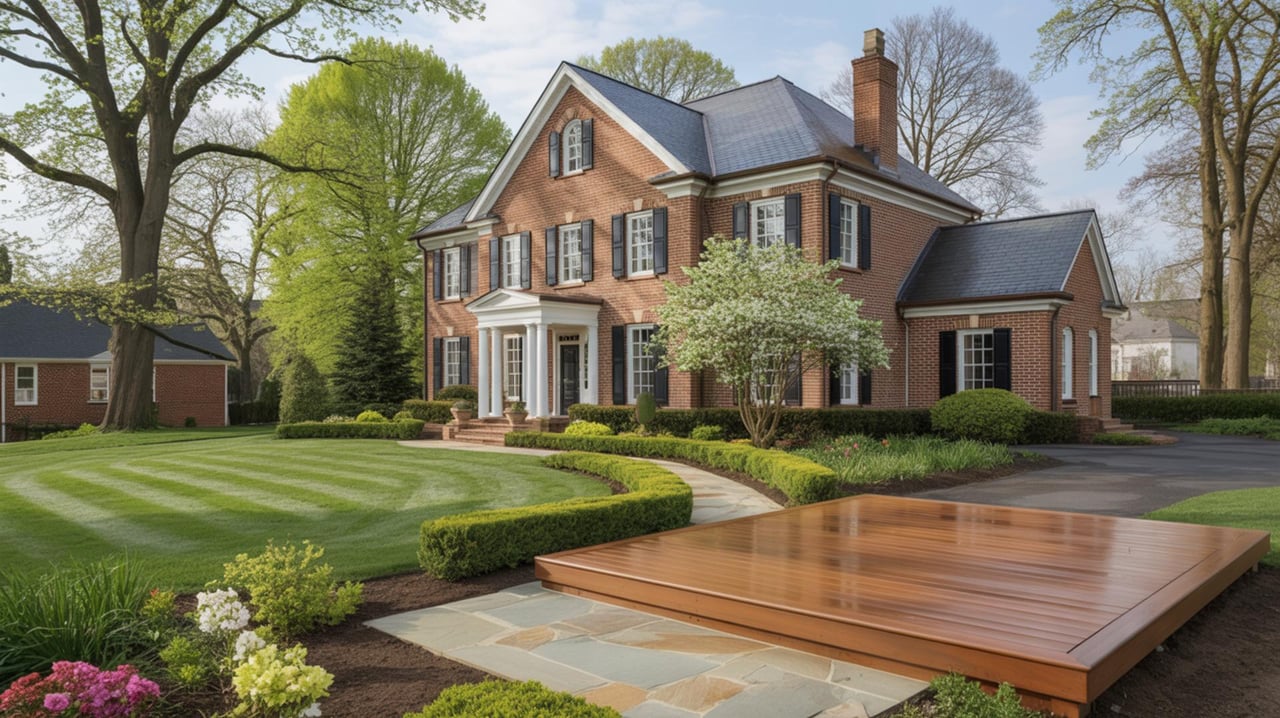
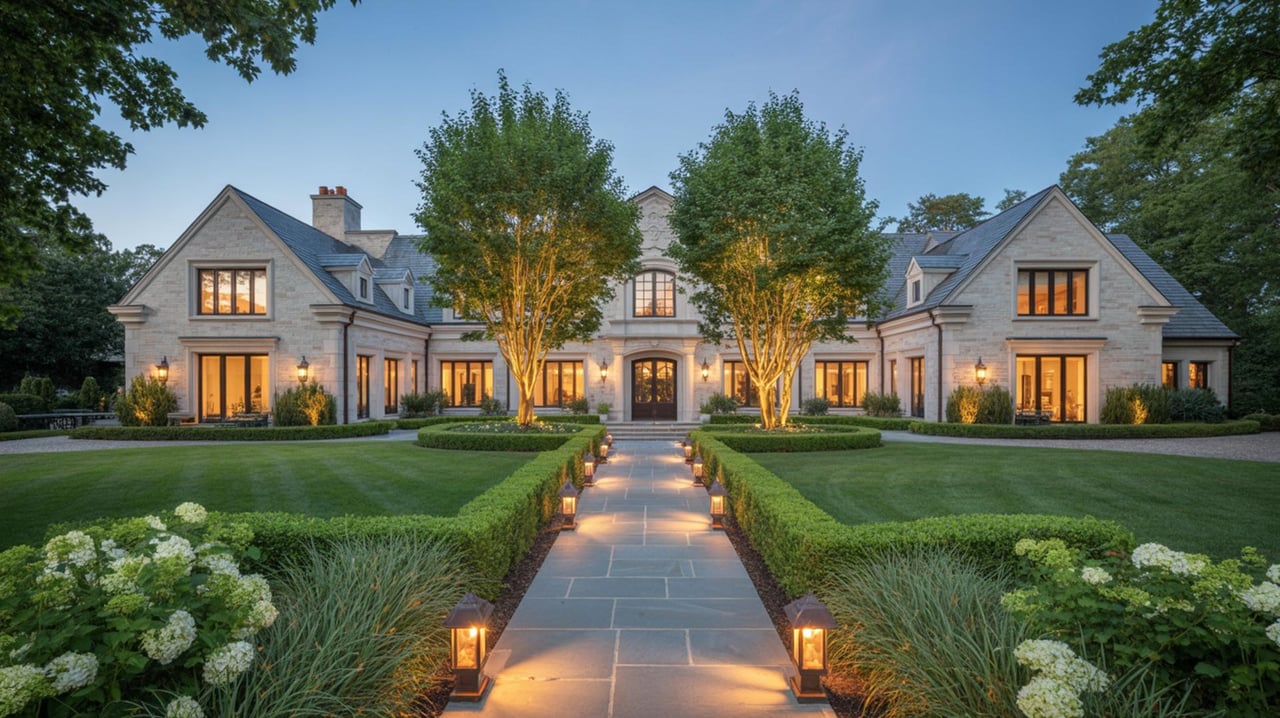
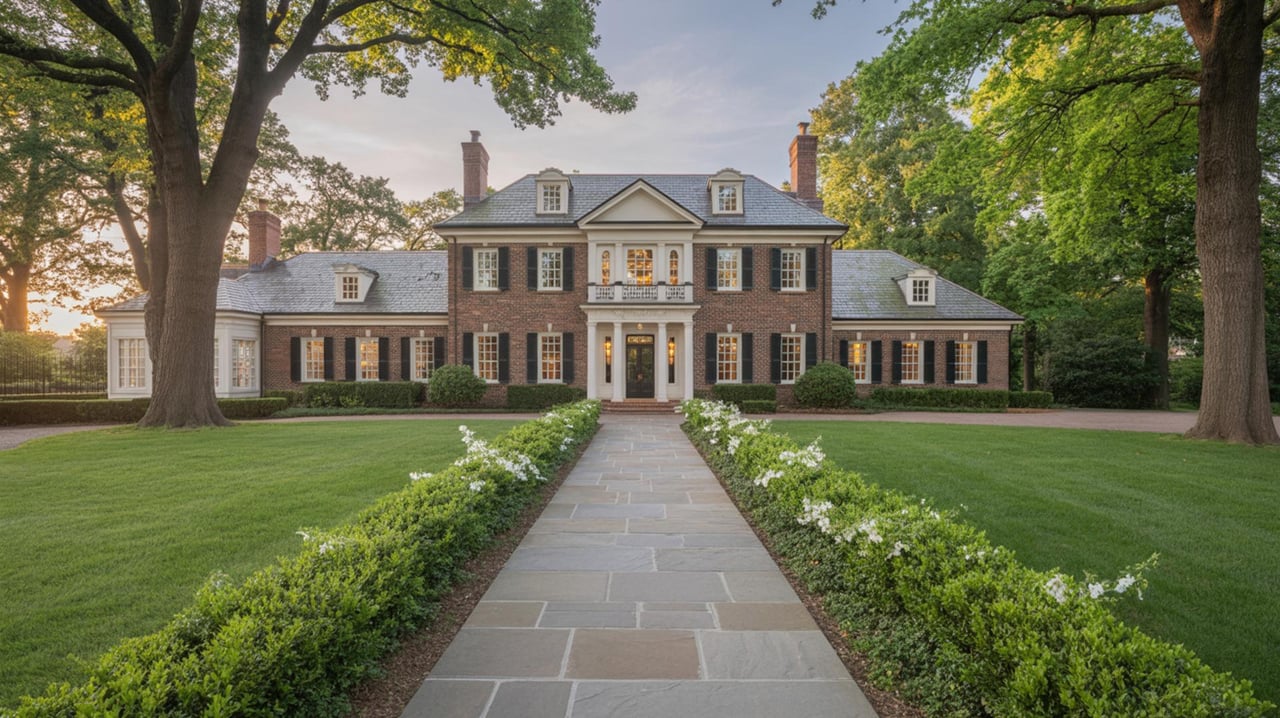
Housing in Springfield is mixed, and that variety is part of what makes the area appealing to a broad range of buyers. County planning materials show multifamily housing, retail, office, hotel, and public-facility uses around the Springfield CBC and TSA. Farther out, land use shifts toward single-family residential areas and lower-intensity housing patterns.
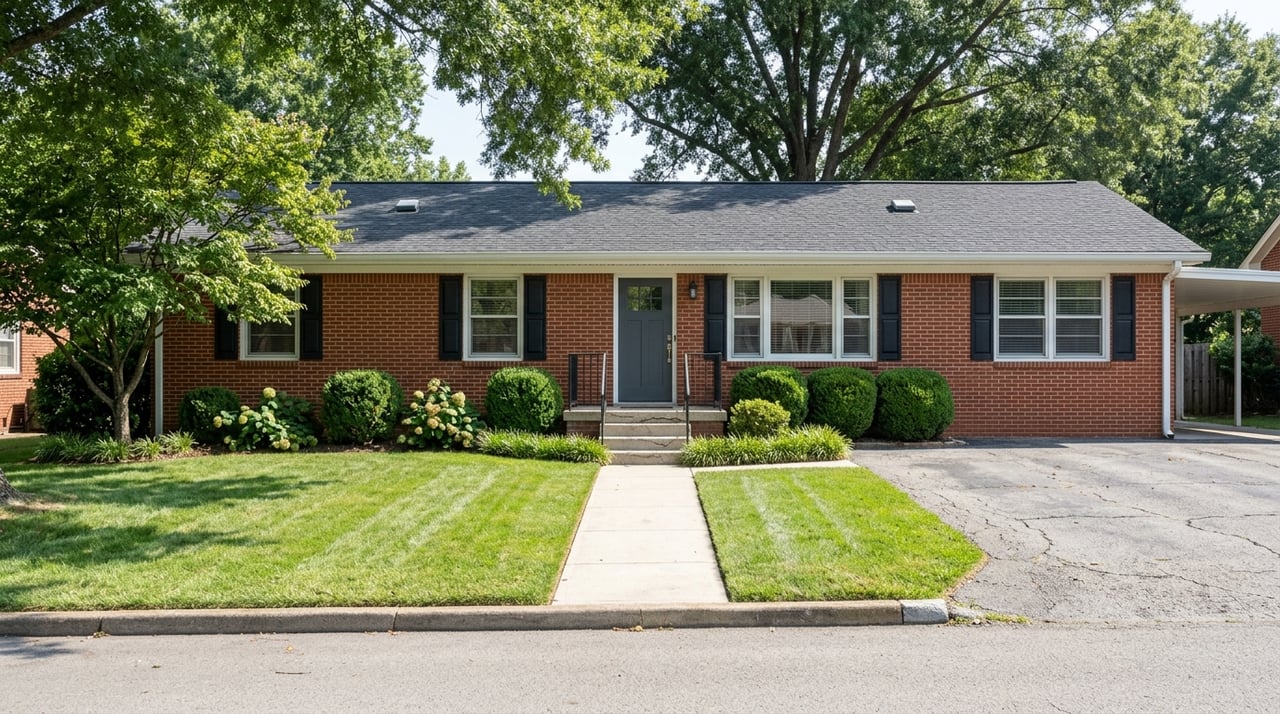
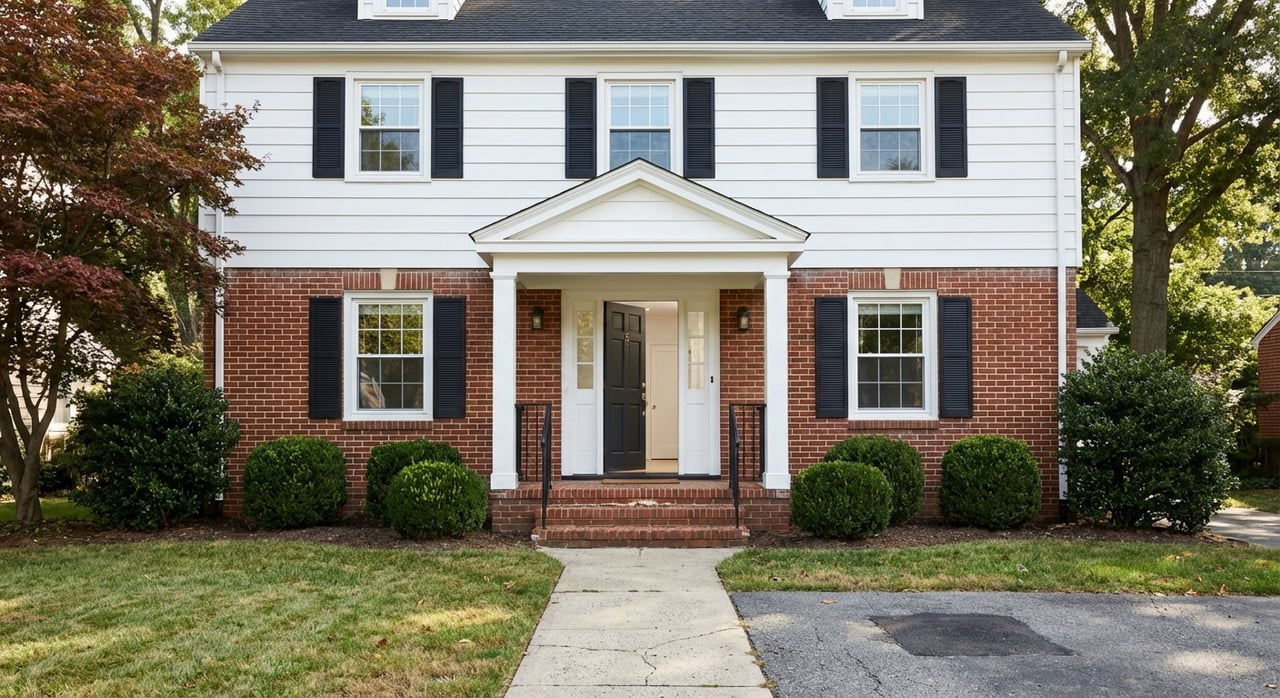
In practical terms, that means you are likely to find denser apartment and multifamily options closer to transit and retail, with lower-density homes farther from the core. The overall pattern feels distinctly suburban, but not uniformly so. That gives buyers options depending on whether they prioritize access, space, or a blend of both.
Springfield also appears relatively settled as a community. Census data shows that 91.3% of residents lived in the same house one year earlier. That points to a fairly stable base of longer-term residents rather than a highly transient market.
Who Springfield May Fit Best
Springfield tends to make sense for buyers who want an established suburban setting with practical amenities and strong regional access. If you value being able to shop, commute, and enjoy outdoor spaces without sacrificing convenience, Springfield checks many of those boxes.
It can be especially appealing if you want:
- A Fairfax County location with solid transit options
- Access to major highways for regional travel
- A mix of housing types
- Nearby parks and recreation
- Concentrated shopping and dining hubs
- A community that feels established rather than newly built
The area may be less ideal if your top priority is a fully walkable, small-town environment. Springfield offers convenience and connectivity, but it is still more suburban and car-oriented than denser close-in communities.
Practical Tips Before You Move
If you are seriously considering Springfield, it helps to look beyond the zip code and focus on your exact location within the area. Your day-to-day experience can vary depending on how close you are to transit, retail, and parks.
If school assignment is part of your home search, verify it by address. Fairfax County Public Schools states that its boundary locator identifies the schools serving a specific address, and boundaries may be adjusted. FCPS also notes that countywide boundary changes approved in January 2026 will take effect in the 2026-27 school year.
Final Thoughts on Living in Springfield
Springfield is a practical, amenity-rich Fairfax County suburb with more transportation options than many communities of similar density. It offers a mixed-use core, established neighborhoods, major shopping and dining, and standout outdoor amenities like Lake Accotink Park. While it is not a fully walkable enclave, it does provide a useful balance of suburban space, regional mobility, and everyday convenience.
If you are weighing whether Springfield fits your lifestyle, the real question is how you want your days to work. If you want an established community with strong commuter connections and easy access to both services and recreation, Springfield is well worth considering. If you would like a more tailored conversation about homes, neighborhoods, and lifestyle fit in Springfield, North Star Real Estate Group LLC is here to help.
FAQs
What is the overall feel of living in Springfield, Virginia?
- Springfield feels like an established Fairfax County suburb with a commercial core, a mix of residential areas, and a practical blend of suburban living and transit access.
Is Springfield, Virginia good for commuters?
- Yes. Springfield offers Blue Line access, VRE service, Fairfax Connector and Metrobus connections, a large park-and-ride, and convenient access to I-95, I-395, and I-495.
Is Springfield, Virginia walkable for daily errands?
- Walkability is strongest near Springfield Town Center and the transit station. Most of the broader community still functions more like a suburban, car-oriented area.
What kinds of homes can you find in Springfield, Virginia?
- Springfield includes a mix of housing types, with multifamily options closer to the commercial and transit core and lower-density single-family areas farther out.
What are some popular things to do in Springfield, Virginia?
- Residents often enjoy Springfield Town Center, Lake Accotink Park, Hidden Pond Nature Center, South Run Rec Center, and the Gerry Connolly Cross County Trail.
How should buyers verify school assignments in Springfield, Virginia?
- Buyers should verify school assignments by property address using Fairfax County Public Schools resources, since boundaries can change over time.