Relocating for a job in Washington, DC often sounds simple until you start weighing commute time against home size, parking, and day-to-day convenience. If Arlington is on your shortlist, you are looking at a market built around access, mobility, and a wide range of housing types, but also one that moves quickly and asks buyers to make clear tradeoffs. This guide will help you think through those choices so you can focus your search with more confidence. Let’s dive in.
Why Arlington Works for DC Careers
Arlington sits directly across the Potomac from Washington, DC, which is the main reason so many relocating professionals start here. For many buyers, the appeal is not just proximity. It is the ability to build a routine around multiple commuting options instead of relying on a single drive route.
Arlington County organizes its transportation system around commuting, parking, biking, walking, and transit connections. ART buses connect neighborhoods to Metrorail and VRE, which gives many households practical alternatives to car-dependent living, especially in transit-oriented areas closer to DC.
That flexibility matters even more today because work patterns are not one-size-fits-all. Arlington’s 2026 county profile says 35% of residents age 16 and over work from home as their primary commute, which makes hybrid schedules a real part of the home search conversation.
Commuting Options in Arlington
Metro, Bus, and Rail Access
If your work is based in DC, Arlington gives you several ways to move between home and office. Metro-accessible areas tend to draw the most attention, but county bus service and regional rail also play an important role depending on where you need to go and how often you need to be there.
VRE adds another useful option for some buyers. Its system includes Crystal City in Arlington and reaches DC destinations such as Union Station and L’Enfant Plaza, which can be helpful if your work life stretches across DC, Northern Virginia, and occasional reverse-commute patterns.
Car Dependence Is Often Lower
One of Arlington’s biggest advantages is that many households can reduce how much they rely on a car. That does not mean every location works the same way, but it does mean your home search should start with how you want to commute, not just how many bedrooms you want.
If you expect to be in the office several days a week, being close to a station or strong bus connection may shape your daily life more than a little extra square footage. If you work from home most days, you may decide that interior space, parking, or a quieter residential setting matters more.
Arlington Housing: What You Will Actually See
Arlington’s housing stock is heavily weighted toward multifamily homes. According to the county’s 2025 dashboard, apartment-elevator units make up 38.67% of housing units, while single-family detached homes account for 21.62%, apartment-garden units 12.09%, condo-elevator units 11.70%, condo-garden units 9.14%, and townhouses 3.56%.
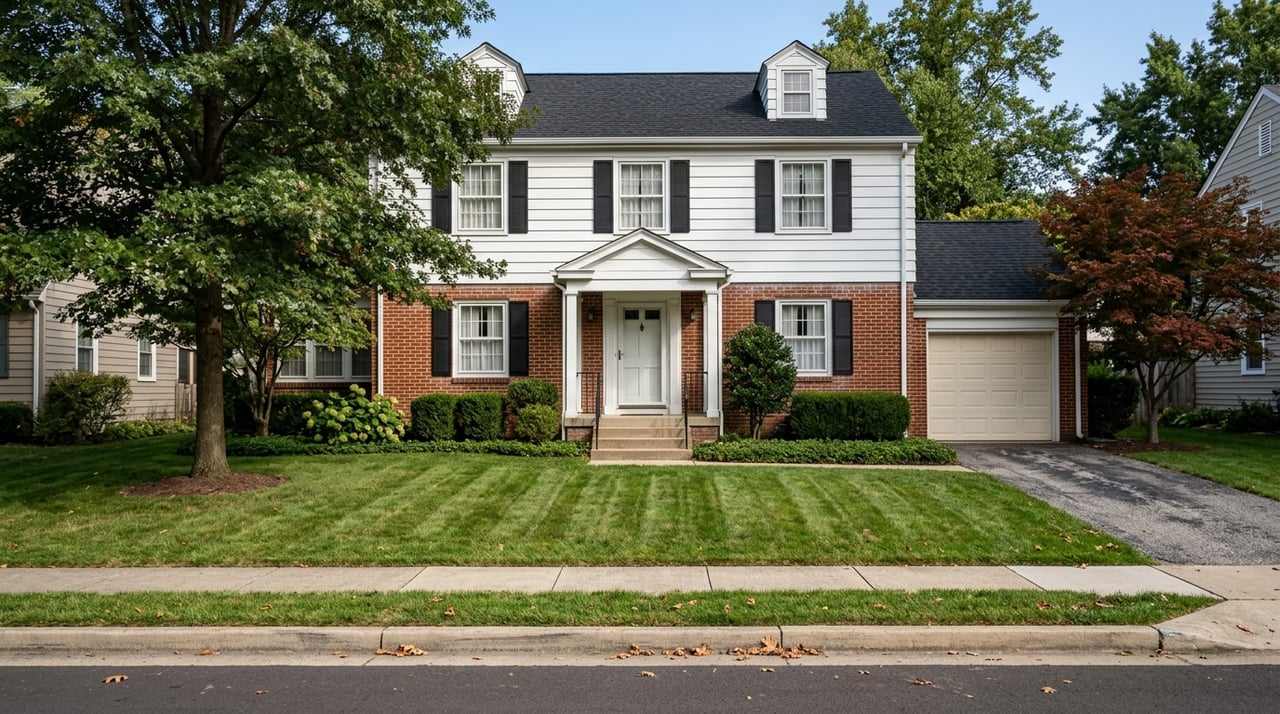
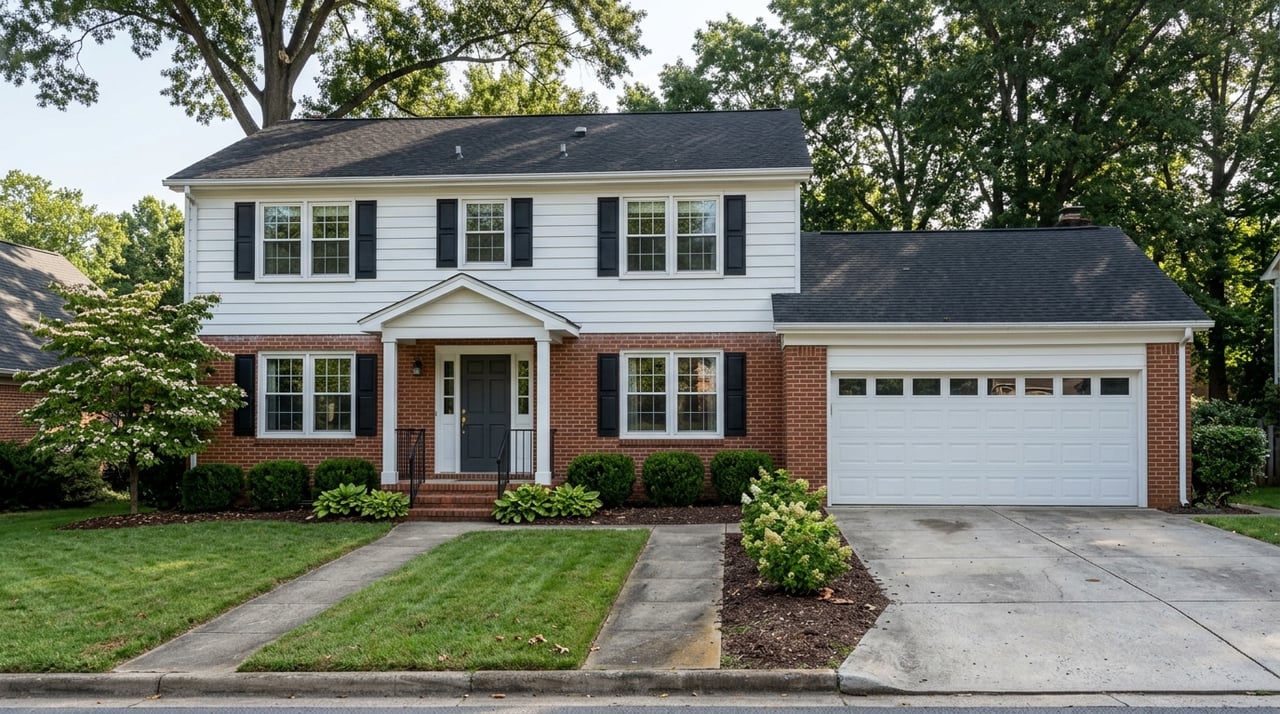
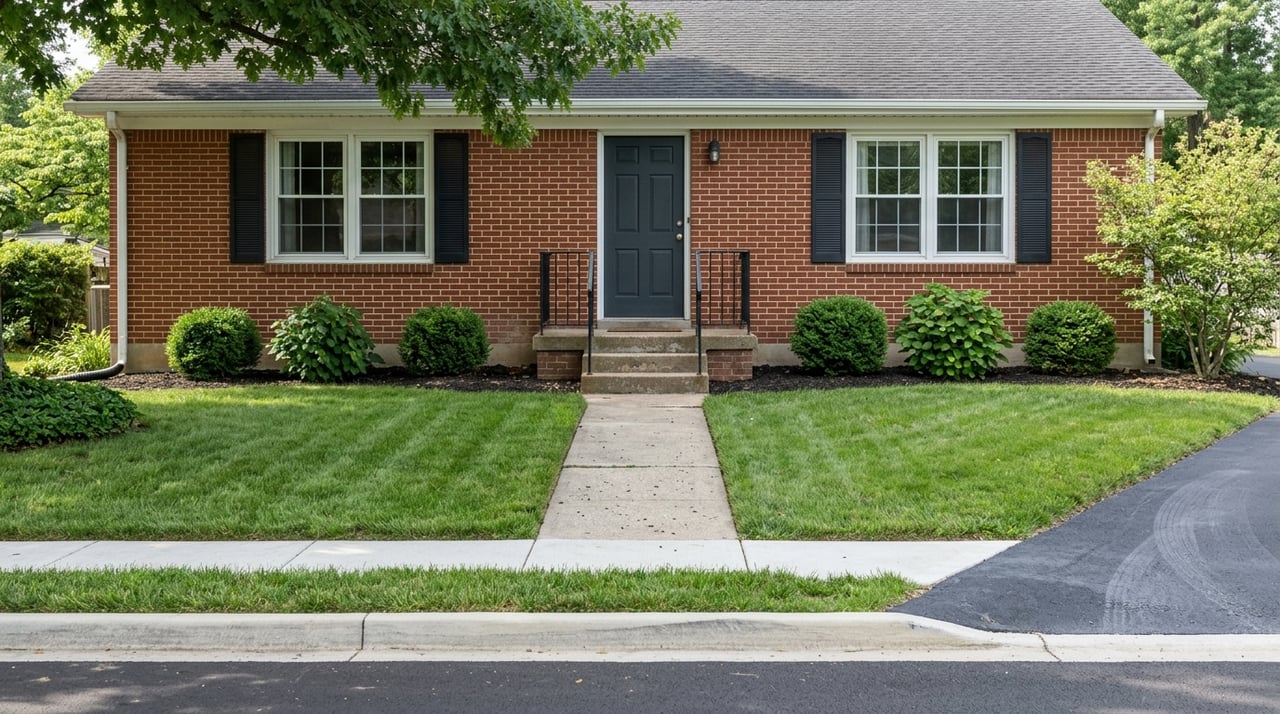
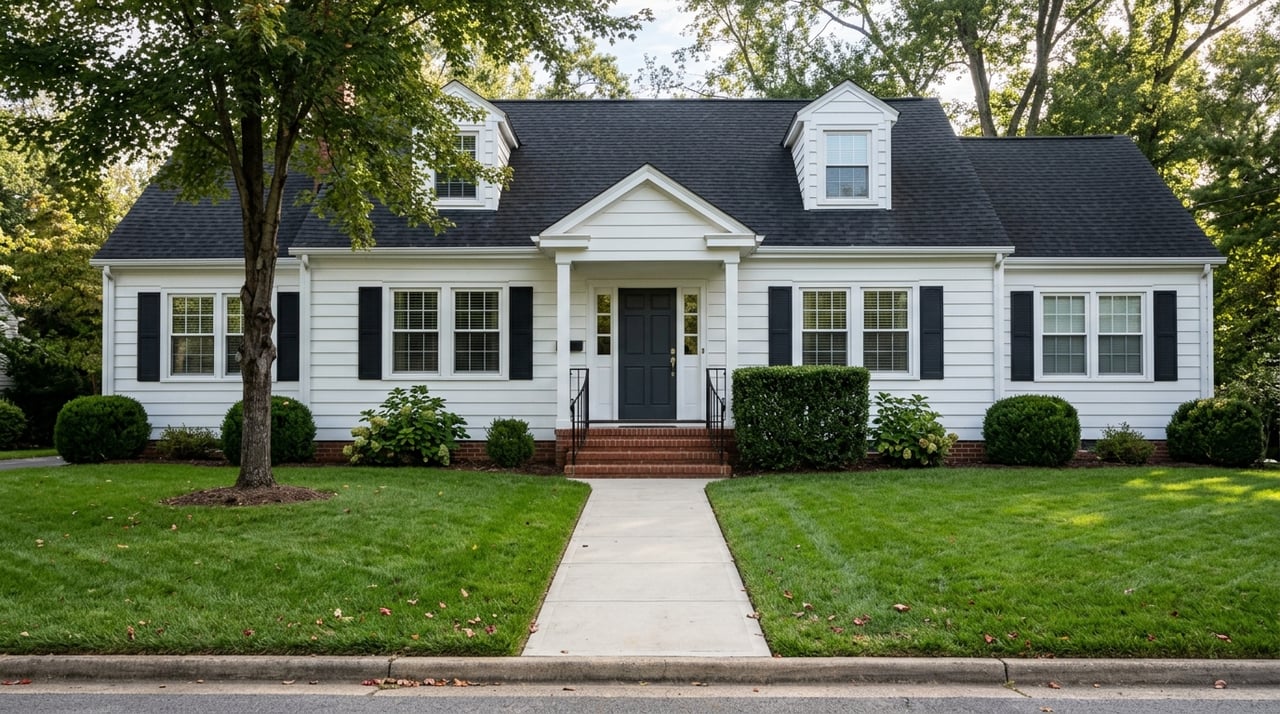
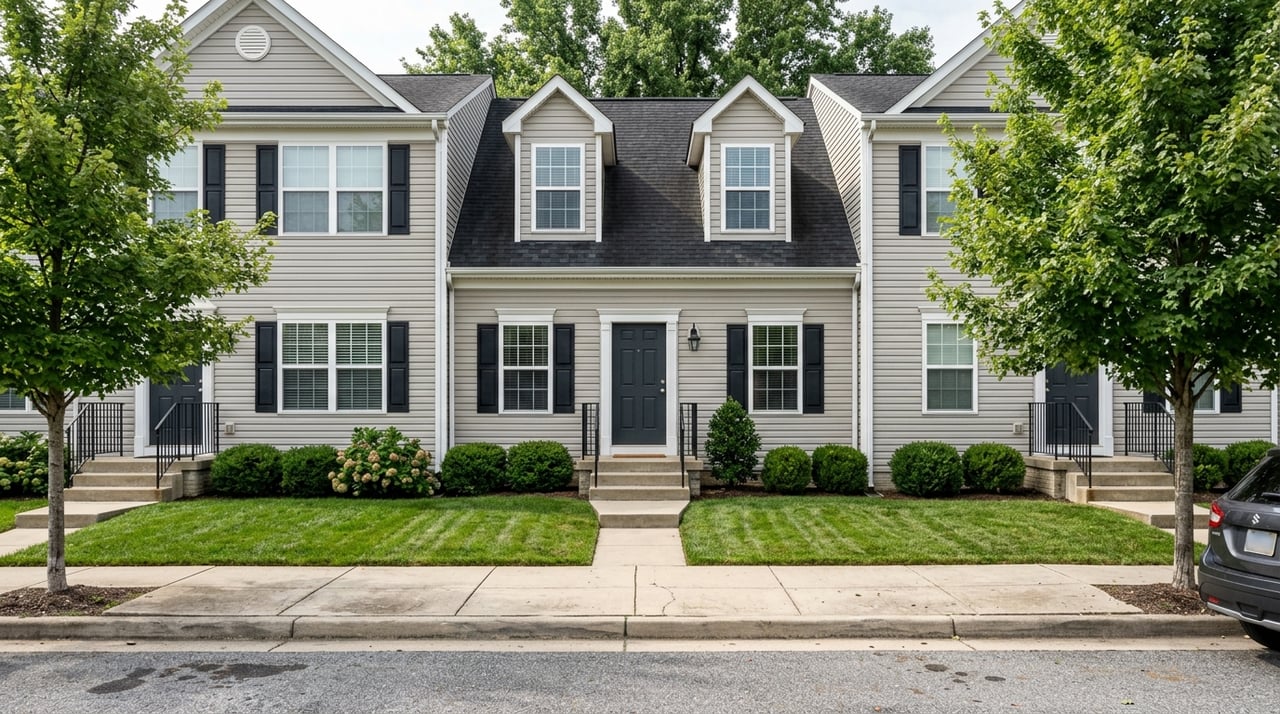
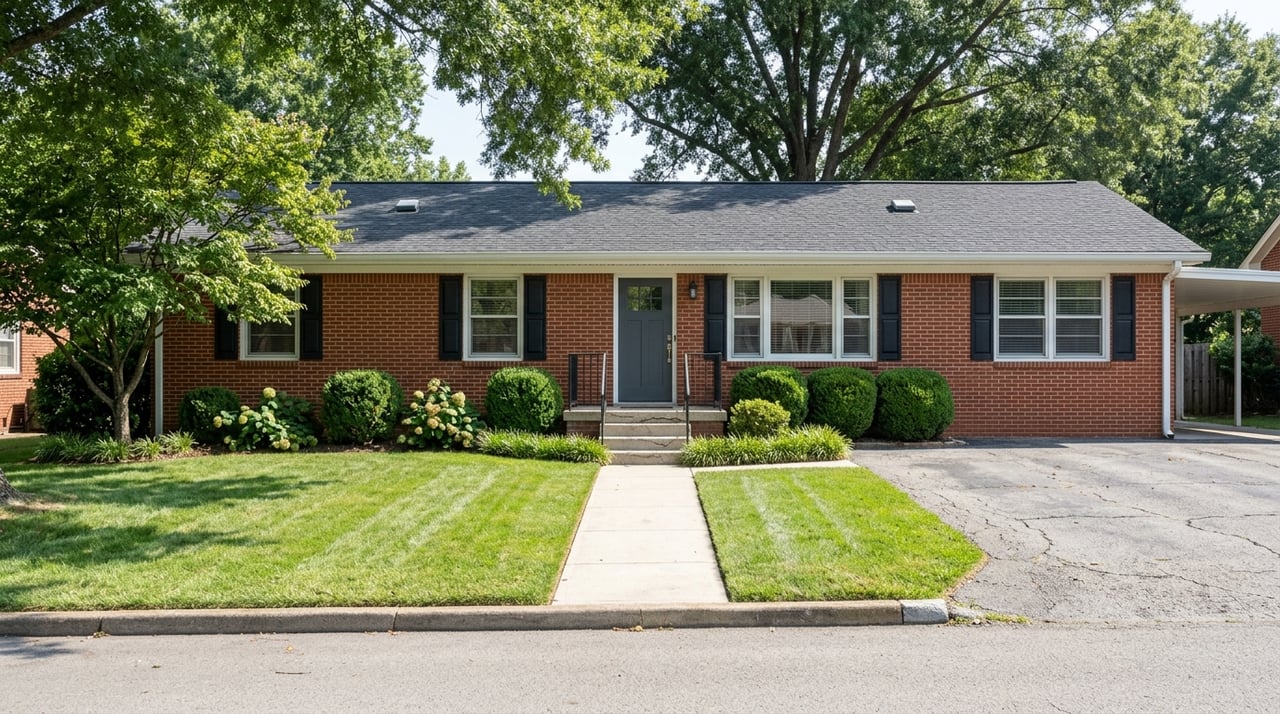
That mix has a direct effect on your search. If you are relocating to Arlington, you will likely see condos, elevator buildings, and other attached housing options first, with a smaller pool of detached homes depending on your budget and preferred location.
The county’s 2026 profile also notes that 99% of Arlington’s net housing growth since 2020 has come from apartments and condos. In practical terms, that means the market continues to lean toward housing types that support convenience, density, and commute access.
It Is Not Just Condos or Detached Homes
Many buyers assume Arlington offers only two paths: a condo near transit or a detached home farther out. In reality, the county’s housing story is broader than that.
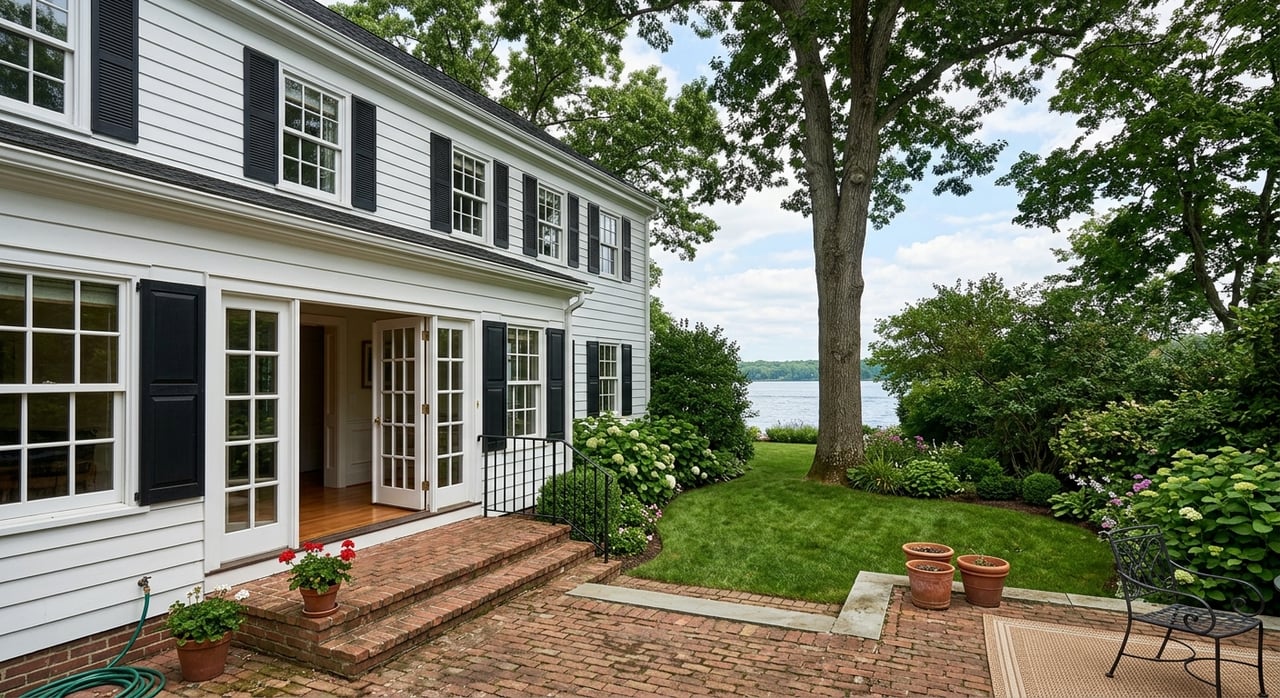
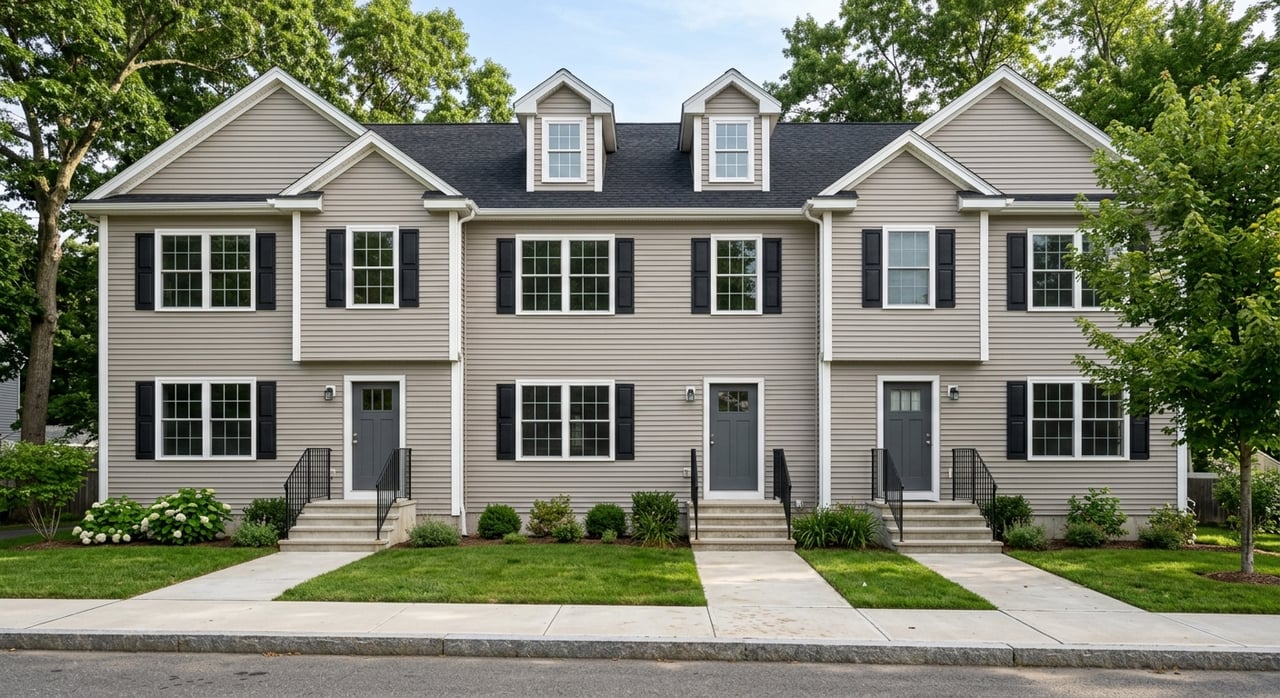
County housing materials show that Arlington already includes house-scale middle housing in neighborhoods such as Ashton Heights, Ballston-Virginia Square, Cherrydale, Green Valley, and Penrose. That gives relocating buyers a wider spectrum of options, including attached and smaller-scale homes that may offer a different balance of privacy, space, and location.
The Main Tradeoff: Location Versus Space
For most DC-focused buyers, the Arlington decision comes down to a simple question: how much are you willing to trade in space for convenience? The areas with the strongest transit access and quickest routes into DC often offer shorter commute friction, but that may come with less yard space, smaller homes, or different parking realities.
More residential pockets may offer more room, but they often require more planning around driving or longer transit connections. That does not make one choice better than the other. It just means the right fit depends on how you actually live during the week.
Station Areas Shape Lifestyle
Arlington’s station areas make these tradeoffs easier to picture. Court House is within walking distance of county administration buildings and the court complex. Clarendon is known for shopping and entertainment along Wilson Boulevard, while Ballston is close to Ballston Common Mall and Marymount University.
Virginia Square-GMU sits next to George Mason University’s Arlington campus. Pentagon City offers direct access to the Fashion Centre at Pentagon City, and Crystal City is connected to an arts district, restaurant row, and Metroway. For a relocating buyer, each area offers a different mix of walkability, commute speed, and home type.
How Hybrid Work Changes the Search
If you only go into DC a few days each week, your home search should reflect that. In a county where a large share of residents already work from home, the best location is often not the one with the shortest possible commute. It is the one that balances office access with the way you spend most of your time at home.
That can change your priorities in a meaningful way. You may place more value on a second bedroom, a flexible den, building amenities, or a quieter block than someone who commutes five days a week.
Hybrid buyers often benefit from thinking in terms of monthly lifestyle friction. A slightly longer trip into the office may be well worth it if you gain more usable living space the rest of the week.
What the Market Means for Relocating Buyers
Arlington remains a fast-moving and expensive market. Redfin reported a median sale price of $835,000 over the three months ending May 2026, up 4.4% year over year, while Zillow listed an average home value of $824,859 and noted that homes go pending in about seven days.
The methodologies differ, but the message is consistent. If you are relocating into Arlington, it helps to be prepared before you start touring in person.
A broad, open-ended search can cost you time in a market like this. A more curated process is usually more effective, especially if your move is tied to a job start date, office schedule, or limited house-hunting trip.
Questions to Answer Before You Tour
Before you book showings, define the basics of your work routine and housing needs. Arlington’s transportation system and housing mix make these details especially important.
Use this checklist before a house-hunting trip:
- Your office address in DC
- How many days per week you will be in office
- Your preferred commute mode
- Whether you need dedicated parking
- Your comfort level with condo or HOA fees
- Your minimum space needs
- Whether you want walkability to transit or are comfortable with a longer connection
These answers help narrow your search by commute corridor, building type, monthly carrying costs, and realistic home options. In a tight market, that kind of pre-sorting is far more efficient than browsing everything and hoping the right fit appears.
A Smarter Way to Narrow Arlington Options
A focused relocation search usually works best when you start with commute patterns, then layer in housing style and budget. That approach helps you compare homes based on how they support your actual routine instead of reacting to listings one by one.
Here is a simple way to frame your choices:
| Priority | Likely Tradeoff |
|---|---|
| Shorter commute to DC | Less space or higher price |
| Walkability to transit | Smaller unit or limited parking |
| More interior space | Longer trip or fewer transit options |
| Detached home search | Smaller inventory pool |
| Lower car dependence | Greater focus on corridor locations |
The goal is not to find a perfect answer on paper. The goal is to identify which tradeoffs feel easy for you and which ones will create stress over time.
Arlington Can Be a Strong Fit
If your career is centered on DC, Arlington offers a compelling mix of access, flexibility, and housing choice. It is especially appealing if you value the ability to commute in more than one way and want a location that supports both office days and work-from-home days.
The key is to search with clarity. When you know how much you value commute time, walkability, space, and parking, Arlington becomes easier to navigate and much easier to buy into with confidence.
If you want a discreet, well-planned relocation search tailored to your schedule and priorities, North Star Real Estate Group LLC can help you evaluate Arlington with a more curated approach.
FAQs
What makes Arlington a practical choice for a DC-focused career?
- Arlington is directly across the Potomac from Washington, DC and offers multiple commuting options through Metro connections, ART buses, and VRE access in Crystal City.
What types of homes are most common in Arlington for relocating buyers?
- Arlington’s housing stock is led by apartment-elevator units, condos, and other multifamily options, with a smaller share of detached homes and townhouses.
How should hybrid workers approach a home search in Arlington?
- If you work from home part of the week, it often makes sense to balance commute convenience with home space, layout, parking, and how you will use the property on non-office days.
Is Arlington a fast-moving housing market for buyers?
- Yes. Recent market trackers show Arlington remains expensive and competitive, with homes often going pending quickly, so preparation before touring is important.
What should you decide before a house-hunting trip to Arlington?
- You should clarify your office location, in-office schedule, commute mode, parking needs, comfort with condo or HOA fees, and minimum space requirements before touring homes.